
Last updated November 21, 2026
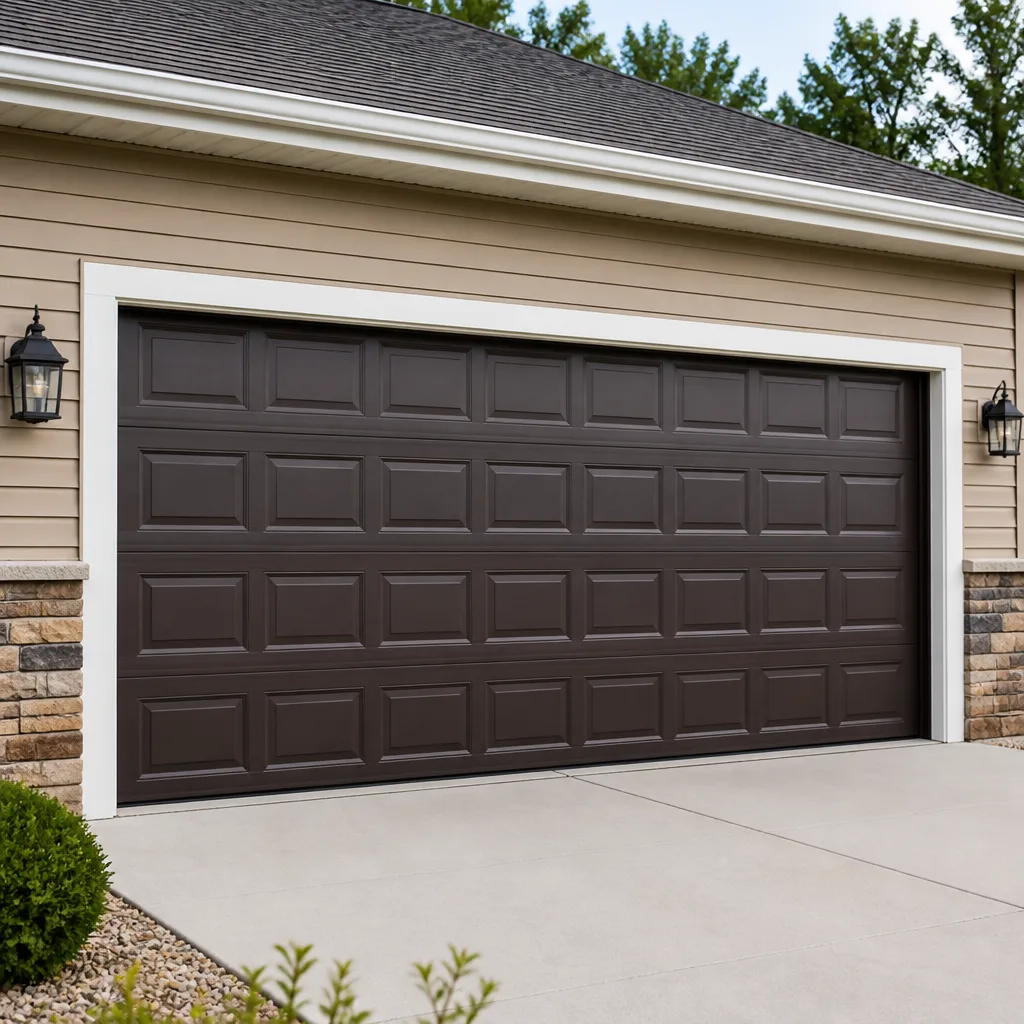 Raised-panel steel
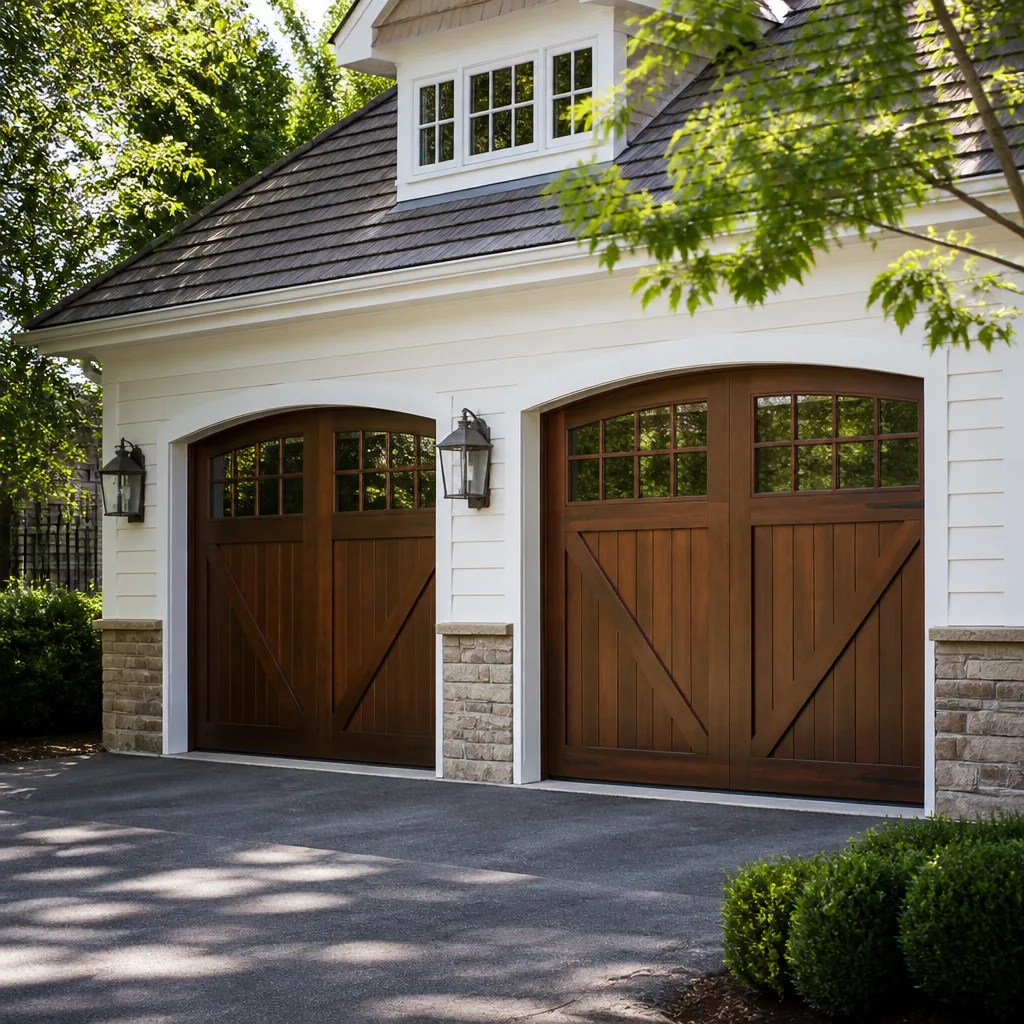 Carriage house
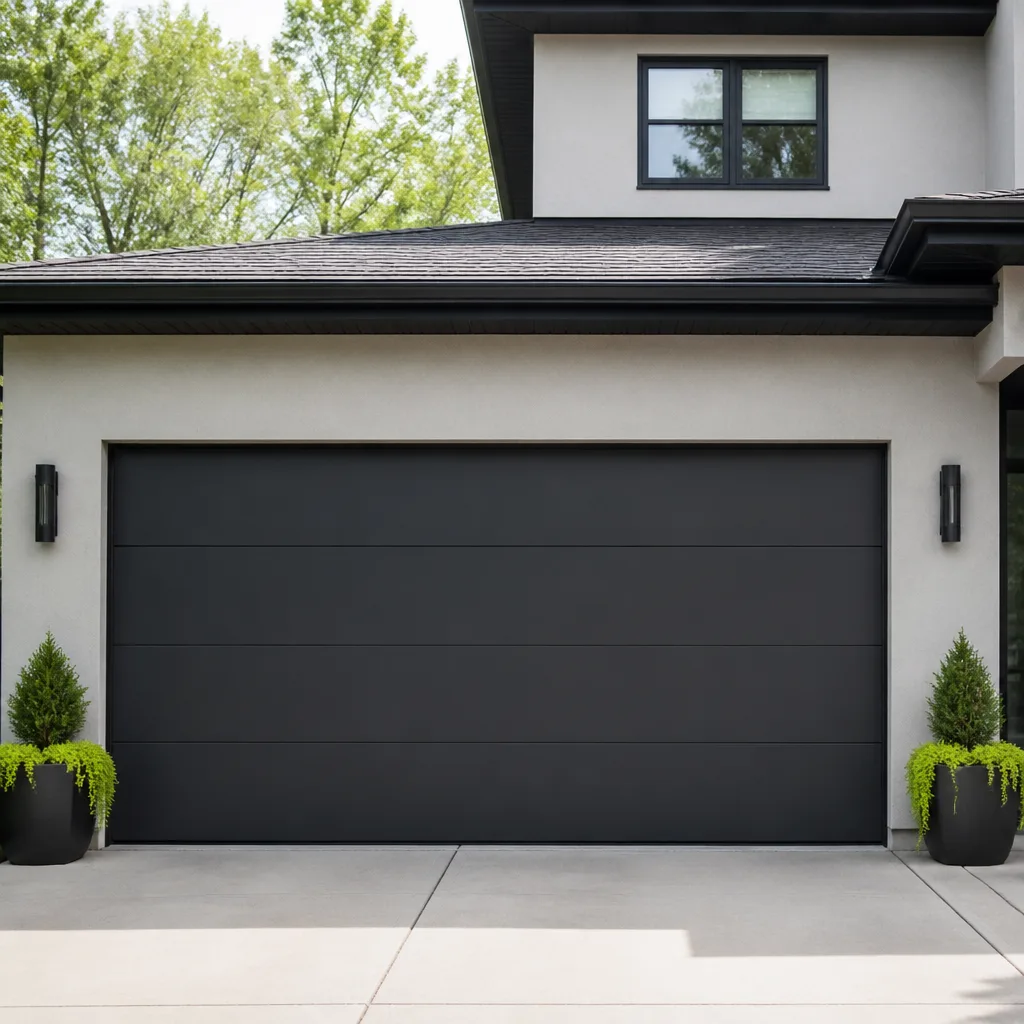 Modern flush
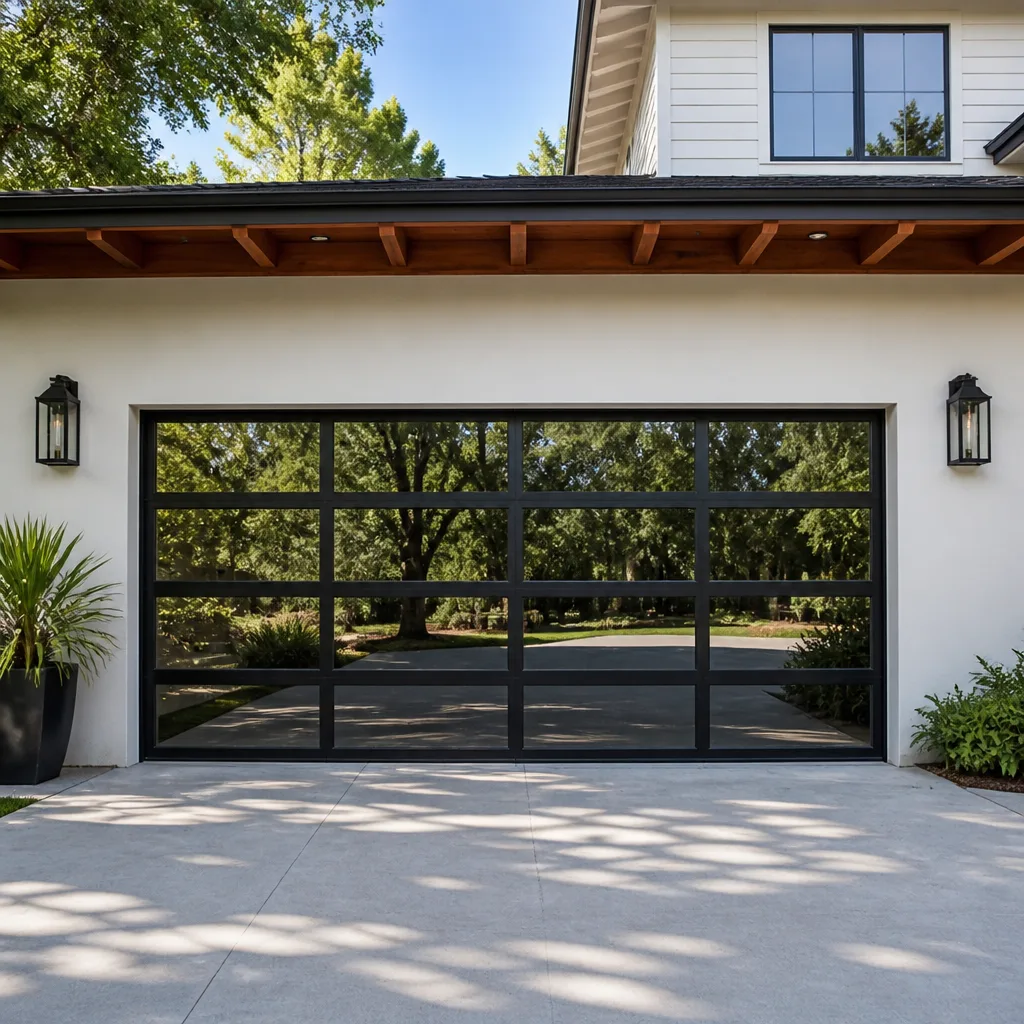 Full-view glass
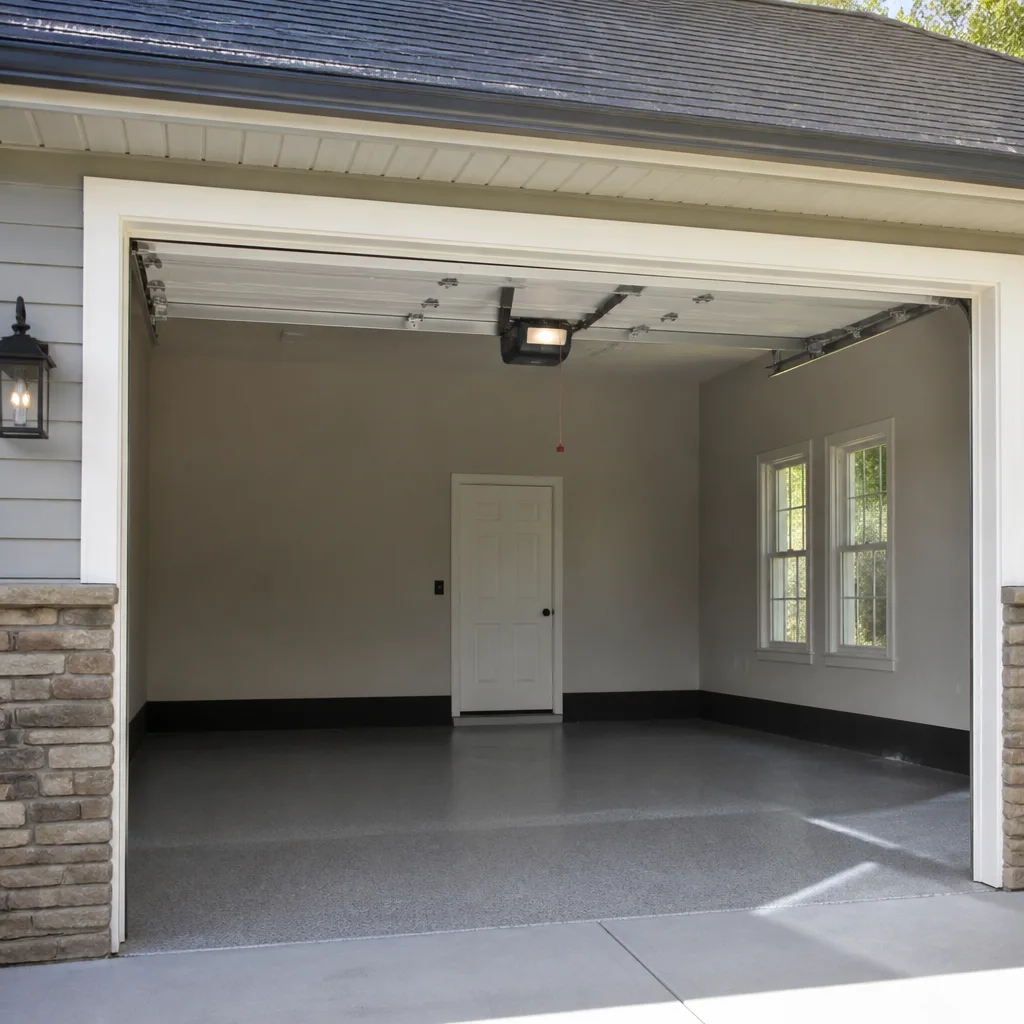 LiftMaster openers
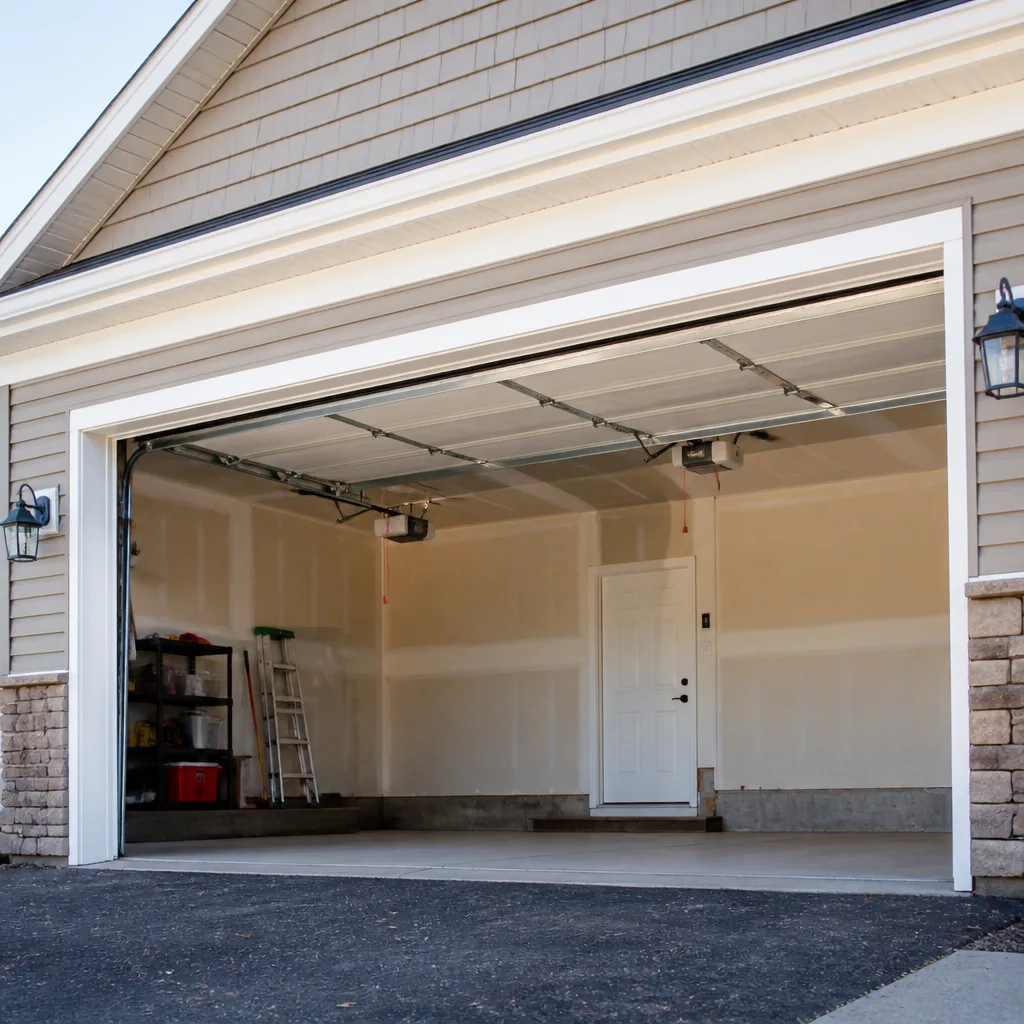 Chamberlain openers
Full 25-point door and opener safety check with every visit - springs, cables, rollers, tracks, and your LiftMaster or Chamberlain opener included
You get a price before we start. It does not change when the pro arrives.
Get your free estimateGarage Door Permits, Codes & Inspections in Mount Greenwood, IL: What You Need to Know
Most homeowners assume the permit comes with the door. It usually doesn’t. In Mount Greenwood, whether your garage door project needs a building permit has almost nothing to do with the door itself and everything to do with what changes around it: the header above the opening, the framing, and any new electrical circuit for the opener. Get that distinction wrong and the consequences surface years later, at the worst possible moment, during a home sale or an insurance claim. This guide maps the actual triggers, explains what Mount Greenwood inspectors check, and shows you how to fix unpermitted work before it becomes someone else’s problem at the closing table.
Styles & brands we work with
- Raised-panel steel
- Carriage house
- Modern flush
- Full-view glass
- LiftMaster openers
- Chamberlain openers
Quick Answer
A like-for-like garage door replacement in Mount Greenwood generally does not require a building permit, because you’re swapping a door into an existing opening without changing the structure. You will likely need a permit if the work involves structural changes to the header or framing, a new or altered electrical circuit for the opener, or new construction. Illinois Energy Code requirements apply to new installations on attached garages, and openers must meet UL 325 safety standards to pass inspection. When in doubt, call the City of Chicago Department of Buildings or Cook County before the work starts, not after.
Table of Contents
- When Does a Garage Door Project Need a Permit in Mount Greenwood?
- The Like-for-Like Swap: What’s Actually Exempt
- Structural Changes: Header Modifications and Framing
- Electrical Work and Opener Circuits
- Illinois Energy Code and Attached Garages
- UL 325 Compliance and What Inspectors Actually Check
- What Unpermitted Garage Work Does to Title and Insurance
- How to Retroactively Permit Work Done Without One
- Common Mistakes to Avoid
- When to Call a Professional
- Frequently Asked Questions
- The Bottom Line
When Does a Garage Door Project Need a Permit in Mount Greenwood?
Mount Greenwood sits mostly within the City of Chicago, with some blocks near the city limits falling under Cook County jurisdiction. That matters because permit rules can shift from one side of a street to the other. The single biggest factor in whether your project needs a permit is scope, not the door model. A garage door specialist will tell you upfront which side of that line your job falls on.
The permit triggers break down into three categories:
- Structural changes. If the opening needs to be widened, raised, or re-framed, or if the header above the door has to be modified or replaced, a permit is almost always required. Structural work is the clearest trigger.
- Electrical work. A new dedicated circuit for a garage door opener, a new outlet, or any rewiring tied to the installation requires an electrical permit. This is the most commonly missed trigger in Mount Greenwood.
- New construction. A detached or attached garage built from scratch, or a door installed in a wall that didn’t previously have one, requires a full building permit.
What usually does not trigger a permit: replacing a worn door with a new door of the same size and type, swapping a broken opener with a compatible unit plugged into an existing outlet, and routine repairs to springs, cables, rollers, or tracks. The distinction is whether you’re maintaining what’s there or changing the structure, the electrical system, or the building envelope.
Our advice to Mount Greenwood homeowners is consistent: call your jurisdiction’s building department before you sign a contract. A five-minute phone call saves weeks of headaches later.
The Like-for-Like Swap: What’s Actually Exempt
A like-for-like replacement is the most common garage door project in Mount Greenwood, and it’s also the one that causes the most unnecessary permit anxiety. If you’re pulling out a 16×7 steel door and putting a 16×7 door in the exact same opening, using the existing tracks and spring system, with the opener wired into the existing outlet, most jurisdictions treat that as maintenance rather than construction. No permit needed.
Here’s what makes a swap qualify as like-for-like:
- The opening dimensions stay the same, with no reframing or header changes.
- The new door’s weight is within the range the existing spring system is rated for, or the springs are rebalanced as part of the installation.
- The opener reuses the existing dedicated outlet and wiring, or the opener is a battery or plug-in model with no new circuit.
- No new electrical work, no new framing, no changes to the building envelope.
The trap for Mount Greenwood homeowners is weight. A new door from Amarr or Clopay in a heavier gauge steel may not balance with the existing torsion springs, and that’s fine, because a proper installation includes rebalancing the springs. But if a contractor decides your space needs a deeper track, a low-headroom setup, or a high-lift conversion to fit the new door, the scope has shifted and you’re now in permit territory. A good garage door specialist will tell you that before the work starts, not after.
Have the door measured before you commit. A free measure removes the guesswork about whether your project is a true like-for-like swap. Our garage door installation team handles this regularly across Mount Greenwood and can tell you in ten minutes which category your job falls into.
Structural Changes: Header Modifications and Framing
The header is the beam that carries the load above the garage door opening. Any change to it is a structural change, and structural changes require permits in every jurisdiction. This is where the modest swap becomes a real construction project.
Header modifications show up more often than people expect on older Mount Greenwood homes. The blocks here were built over several decades, and a garage opening that was framed for a 7-foot door will not accept an 8-foot door without cutting into the header, raising the track, and re-framing the opening. That’s a permit. Same story if the original framing was undersized or was altered at some point, because bringing it up to current code is part of the project.
Structural work typically involves these steps:
- An engineer or qualified contractor assesses the load and specifies the header.
- A building permit is pulled with drawings showing the existing and proposed framing.
- The structural work is completed and inspected before the door goes on.
- The final inspection signs off on the completed assembly.
The cost of skipping this step is high. Unpermitted structural work is difficult to finance, difficult to insure, and frequently flagged during a home sale inspection. Lenders may refuse to finance a sale where the garage framing can’t be verified, and an appraiser can flag a header that was altered without documentation. The savings from skipping the permit are real, but they’re measured in hundreds; the cost of dealing with it later is measured in thousands.
If your project involves widening or raising the opening, budget for the permit and the inspection cycle from the beginning. A reputable contractor will build both into the timeline rather than discovering them mid-job.
Electrical Work and Opener Circuits
The single most commonly missed permit in Mount Greenwood garage door work is the electrical permit, and it’s rarely missed because someone is trying to dodge a fee. It’s missed because homeowners (and too many generalists) don’t realize a new opener can trigger an electrical permit. If the opener runs off a new dedicated circuit, adds an outlet, or requires any new wiring run, that’s electrical work, and electrical work requires a permit in the City of Chicago and Cook County.
Which scenario are you in?
- Existing dedicated outlet, opener plugged in. No new electrical work. No electrical permit.
- Existing ceiling outlet but shared with other fixtures, opener added. This is a grey area and depends on whether the existing circuit is adequately sized. Ask the electrician or the building department.
- No ceiling outlet, new dedicated circuit needed. Electrical permit required. The circuit is installed and inspected before or alongside the opener install.
- New outlet in the garage for a smart opener, Wi-Fi bridge, or battery backup charger. Electrical permit required if it’s a new circuit or new run.
Why does this matter so much? Because an opener that draws on an undersized or improper circuit is a fire risk, and because a homeowner selling a Mount Greenwood home will eventually be asked to produce the permit for any electrical work disclosed or discovered. A Genie or Chamberlain opener installed properly is a maintenance task; a new circuit run to feed it is construction.
Openers that plug into an existing outlet, like most retrofit LiftMaster and Chamberlain units, are straightforward. Opener work that requires opening the panel to add a breaker is not. Our garage door opener repair team can tell you which category your project is in, and we’ll tell you plainly if the work needs an electrician and a permit.
Illinois Energy Code and Attached Garages
Illinois Energy Code requirements apply to new installations where the garage is attached to the house. That means a new garage door on an attached garage needs to meet a U-factor requirement, because the door is part of the building envelope and separates conditioned space from unconditioned. A detached garage doesn’t fall under the same envelope requirement.
What that means in practice for a Mount Greenwood replacement:
- Insulated doors are the safe choice for attached garages. Clopay and Amarr both offer insulated models that meet typical U-factor thresholds for garage doors separating conditioned space.
- The U-factor requirement applies to the whole door assembly, not just the panel, so the seal, the bottom weatherstrip, and the perimeter weatherstripping matter too.
- If you’re replacing a door on a detached garage in Mount Greenwood, the energy code envelope requirement doesn’t apply, but insulation still helps with condensation and noise.
Why does this matter if you’re not pulling a permit? Because when the door is being replaced, the easiest time to add insulation is at the moment of replacement, and the U-factor question only gets harder to answer after the door is on. Homeowners often discover that a new insulated door is only slightly more than an uninsulated model and noticeably quieter and warmer in the garage. If your garage doubles as a workshop or entry point, the upgrade is worth pricing out.
In Mount Greenwood, garages are used year-round, and a door that leaks heat in January is a door that shows up on the heating bill. Worth a conversation with whoever does the measure.
UL 325 Compliance and What Inspectors Actually Check
UL 325 is the safety standard that governs garage door openers in the US. Every opener sold and installed today must meet it, but compliance on paper is not the same as compliance on the wall. An inspector looking at a completed installation checks for the physical safety features that UL 325 requires.
What inspectors look for:
- Photo-eye safety sensors at the door opening. Mounted within 6 inches of the floor, on both sides, and functional. The door must reverse when the beam is broken.
- Mechanical or electrical reversing on contact. A door that strikes an object must reverse within a specified pressure threshold. The inspector tests this.
- Manual release. A functioning manual disconnect, so the door can be operated by hand in a power failure.
- Proper tension on the spring system. A door that’s out of balance is a red flag for other issues, and inspectors will note it.
- Clearance and travel. The door opens and closes fully without obstruction, and the tracks are properly aligned.
This is where brand-specific diagnostics matter. A Wayne Dalton opener, a Genie, a Craftsman, a LiftMaster, and a Chamberlain each have their own logic for travel limits, force settings, and sensor diagnostics. A technician who works on all of them regularly knows which settings inspectors will test and can set them correctly the first time. A generalist who mostly installs one brand may leave factory defaults in place that fail the pressure test.
In our experience, the sensor and reversing checks are where most inspection failures happen, and both are fixable in minutes if the technician knows the opener.
What Unpermitted Garage Work Does to Title and Insurance
Unpermitted garage work hides well until it doesn’t. The two places it surfaces are the title and the insurance claim, and both are expensive places to find out.
Title. When a Mount Greenwood home goes on the market, the title company and the buyer’s inspector look for evidence of unpermitted work. Unpermitted structural work, electrical work, or new construction shows up as an open permit, a missing permit, or a discrepancy between what was built and what’s documented. At minimum, it slows the closing. In some cases, it can hold up financing, because lenders want to see a clean title and verified improvements. A buyer’s attorney can request documentation for garage work disclosed on the seller’s disclosure, and an open permit is the kind of thing that shows up in a title search.
Insurance. Homeowner’s insurance policies vary widely, but they share a common thread: if a claim stems from work that was never permitted or inspected, the insurer can investigate, dispute coverage, or deny the claim. An unpermitted electrical circuit that causes a fire is the classic example. A garage door opener installed on improper wiring, or a structural header modified without inspection, is exactly the kind of thing that complicates a claim after the fact.
The pattern repeats enough that we can say it plainly: the cost of the permit is small, and the cost of explaining it to a buyer, a lender, or an adjuster is not. If your gut says the work needs a permit, it almost certainly does.
The fix for existing garage door problems, like a door that won’t close or an opener that reverses randomly, is often straightforward. Our Garage Door Repair Mount Greenwood team can diagnose the door and opener issues in the meantime, while the permit question gets sorted out separately.
How to Retroactively Permit Work Done Without One
Yes, you can usually permit work after the fact. The process is called a retroactive permit or an after-the-fact permit, and the exact steps depend on your jurisdiction, but the general shape is consistent. If you’ve discovered unpermitted garage work on a home you’ve bought, or you inherited work from a previous owner, this is the path forward.
The retroactive permit process generally follows these steps:
- Call the building department and describe the work. Be specific about what was done, when, and why. The department will tell you whether they want a retroactive permit or whether the work falls under exemptions.
- Provide documentation, if available. Photos, invoices, or product data on the door and opener help. For structural work, drawings may be required.
- Pay the permit fee and any penalty. Most jurisdictions charge both. The fee is typically based on the value of the work; the penalty for the missing permit can be a multiple of the permit fee, though it varies by jurisdiction.
- Schedule inspection. The inspector will look at the completed work, verify it meets code, and either approve it or require corrections.
- Correct any issues found. This is the expensive step, because retroactive corrections can mean re-opening walls, re-framing, or re-running electrical.
- Get the certificate of inspection. This is the document that clears the permit and gives you the paper trail you need at sale.
The triggers at sale are predictable. A buyer’s inspector flags an open permit, or a discrepancy in what’s built versus what’s documented, and the transaction pauses. The seller’s attorney asks for documentation. If none exists, negotiations stall or the price drops by an amount tied to the cost of retroactive permitting and the risk to the buyer.
What we tell Mount Greenwood homeowners is this: don’t wait for a buyer’s inspector to find it. If you suspect unpermitted work, address it before the sign goes in the yard. The process is manageable when you’re not under a closing deadline.
Common Mistakes to Avoid
- Assuming the door swap itself triggers a permit. It usually doesn’t. The permit is tied to structural changes and electrical work, so start by asking what else the project touches.
- Adding a new opener circuit and skipping the electrical permit. This is the most common mistake in Mount Greenwood, and it’s the one most likely to come back at sale. If a new breaker or new wiring is involved, the permit is required.
- Cutting into the header to fit a taller door without a permit. Structural changes trigger permits everywhere. Skipping it makes the job harder to finance, harder to insure, and harder to sell.
- Ignoring U-factor requirements on an attached garage install. Illinois Energy Code applies to new installations on attached garages. Select an insulated door that meets the requirement rather than finding out after the fact.
- Assuming a UL 325 sticker means the opener is compliant. The inspector tests the actual reversing function, sensor placement, and travel limits. Factory settings often need adjustment.
- Waiting for a buyer’s inspector to surface unpermitted work. Retroactive permitting is a known process, but it’s much harder to manage while a closing deadline is running.
- Hiring a generalist who doesn’t know the permit landscape. A garage door specialist knows which side of the line a project falls on and will tell you before the contract is signed. That’s the whole point of hiring a specialist rather than a handyman.
When to Call a Professional
Call a garage door specialist when your project involves anything beyond a true like-for-like swap. If you’re widening or raising the opening, adding a header, installing a new opener circuit, or replacing a door on an attached garage where the U-factor matters, a specialist should be the first call, not the last. The same is true if you’re dealing with unpermitted work and need to know what’s fixable and what needs a permit before the closing table. Spring work, opener diagnostics, and door balance issues are core services for a garage door specialist and should never be DIY, given the high tension in every torsion or extension spring system.
Garage Door Repair Mount Greenwood offers free estimates in Mount Greenwood. Call (855) 914-9447. We answer 24/7. Fast dispatch from 7am to 7pm, Sunday through Friday.
Frequently Asked Questions
Usually not for a like-for-like replacement, where a new door of the same size goes into the existing opening with the existing track and spring setup. You do need a permit if the project involves structural changes to the header or framing, a new dedicated electrical circuit for the opener, or new construction. When in doubt, call the City of Chicago Department of Buildings or Cook County to confirm your specific address. Call (855) 914-9447 for a free measure and a written price on the door side of the project.
It depends on the wiring. If the opener plugs into an existing dedicated outlet, no new electrical work is happening and an electrical permit typically isn’t required. If a new circuit or new run of wiring is installed, an electrical permit is required, and the work should be inspected. Call (855) 914-9447 if you’re unsure which scenario applies to your Mount Greenwood home.
The buyer’s inspector or the title company can flag unpermitted work, and that can slow or stall the closing. In some cases, financing can be affected if the structural or electrical work can’t be documented. Unpermitted electrical work can also complicate an insurance claim if something goes wrong later. Call (855) 914-9447 for a free estimate on the door and opener side while the permit question gets sorted out.
Yes, in most jurisdictions, through a retroactive permit process. That typically involves calling the building department, paying the permit fee and any penalty, and scheduling an inspection of the completed work. Corrections found during the inspection are the expensive part, and that’s why it’s worth addressing before a sale rather than during one. Call (855) 914-9447 for a free estimate on the door and opener work.
An inspector tests the UL 325 safety features: the photo-eye sensors within 6 inches of the floor, the reversing function on contact, the manual release, and the travel limits. Factory defaults on a new opener often need adjustment to pass. A specialist familiar with your opener’s brand, whether that’s Genie, Chamberlain, or another, knows how to set those before the inspector arrives. Call (855) 914-9447 for a free estimate.
Yes, Illinois Energy Code requirements apply to new installations on attached garages, because the door sits in the building envelope between conditioned and unconditioned space. Insulated doors from brands like Clopay and Amarr are the safe choice, and the seal and weatherstrip matter as much as the panel. Call (855) 914-9447 for a free measure and a written price on an insulated replacement.
The Bottom Line
The permit question on a Mount Greenwood garage door project comes down to scope. A like-for-like door swap is maintenance and generally doesn’t require a permit. Structural changes to the header or framing, new electrical work for the opener, and new construction do require permits, and those are the triggers that cause problems at sale or in an insurance claim. Illinois Energy Code applies to attached garage installations, and UL 325 compliance is checked by the inspector, not just printed on the opener. If you’re unsure which category your project falls into, call the building department before you sign. And if the door itself needs work, call a specialist. Our technicians have up to 10 years of experience with LiftMaster, Chamberlain, Genie, Clopay, Amarr, Wayne Dalton, Craftsman, and Raynor products.
If you’re ready to move forward on the door or opener side of your project, our garage door repair and installation teams can help. And for the permit answer you actually need, call (855) 914-9447 for a free estimate. We answer 24/7. Fast dispatch from 7am to 7pm, Sunday through Friday.
Written by the team at Garage Door Repair Mount Greenwood.
See the difference
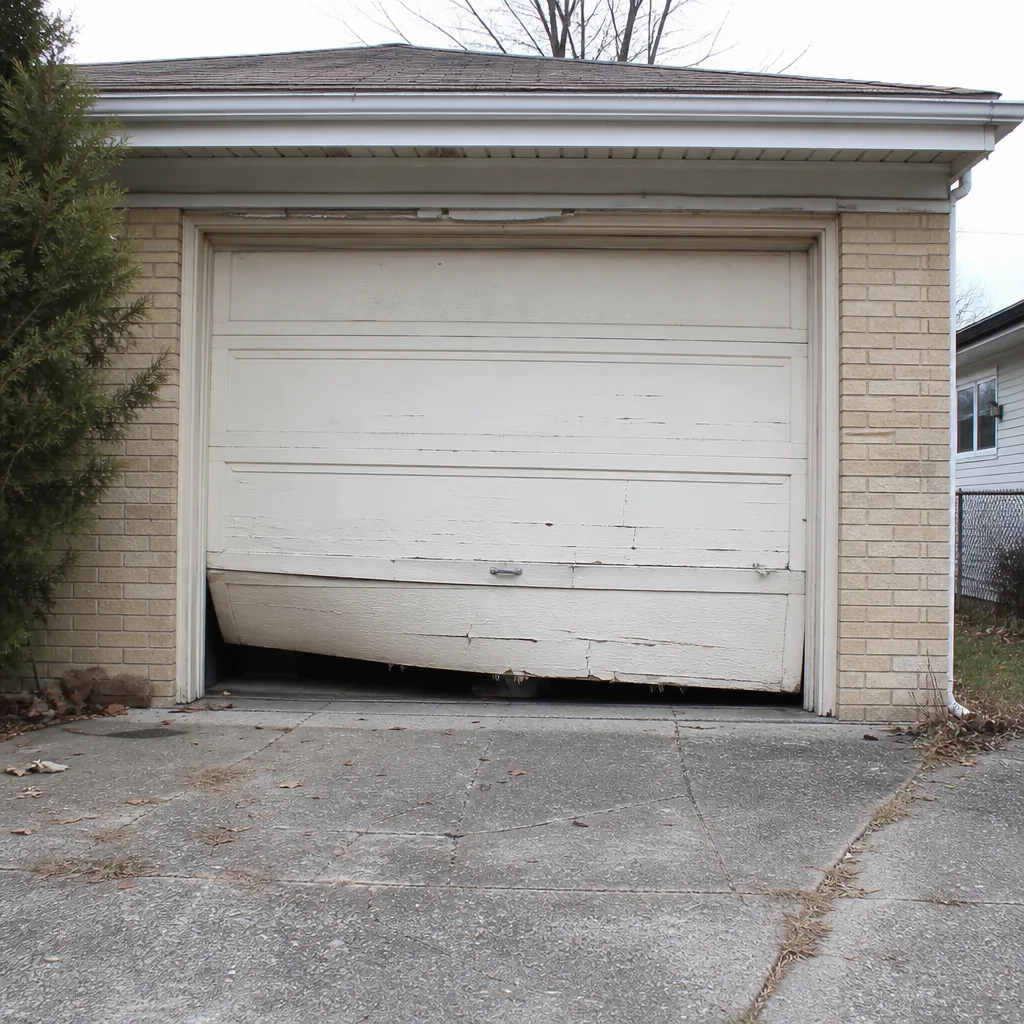 Before
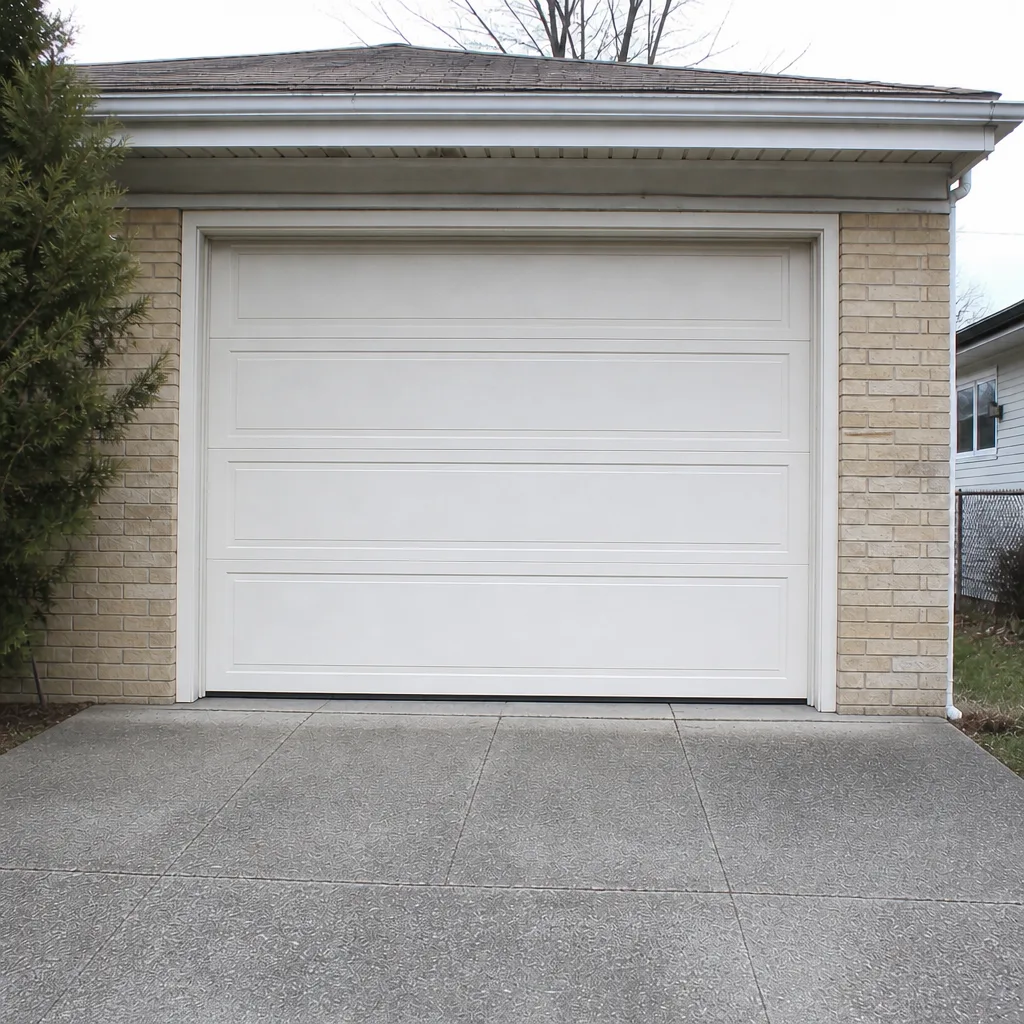 After
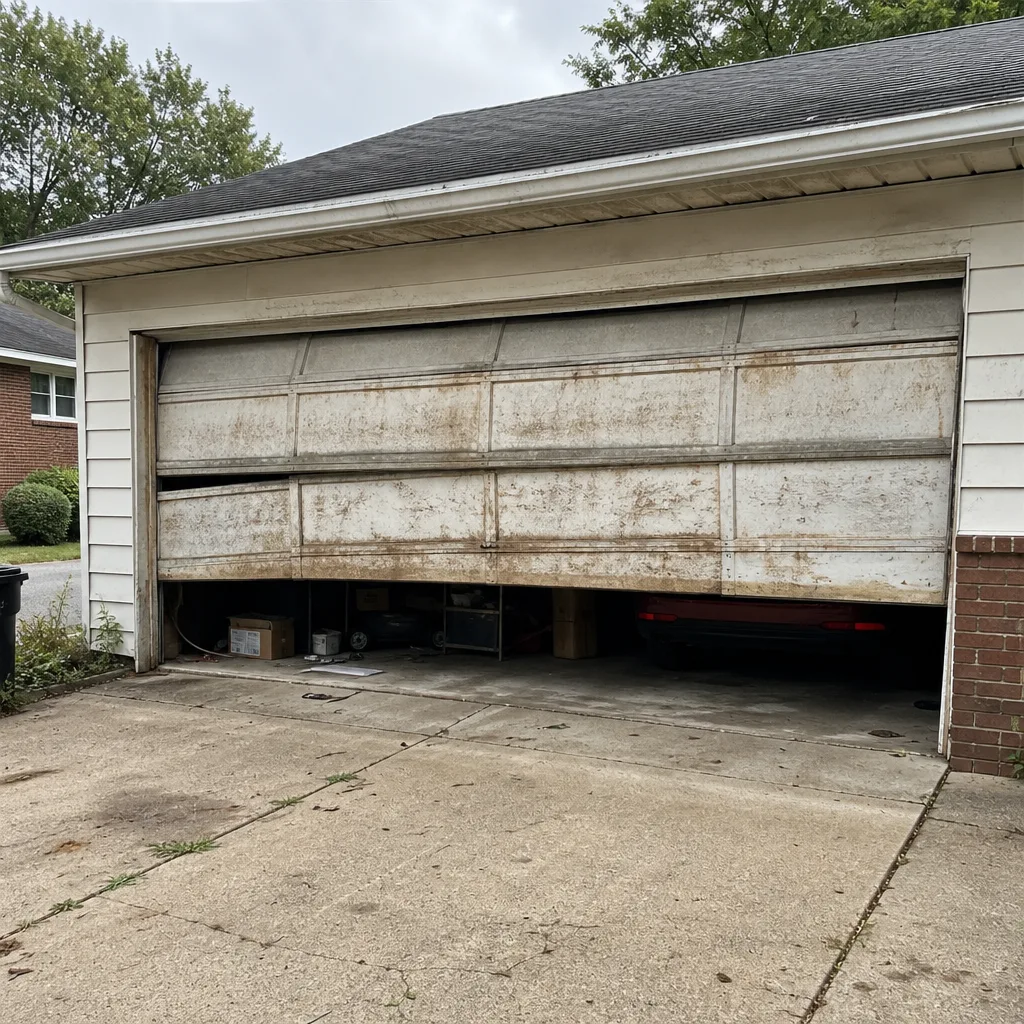 Before
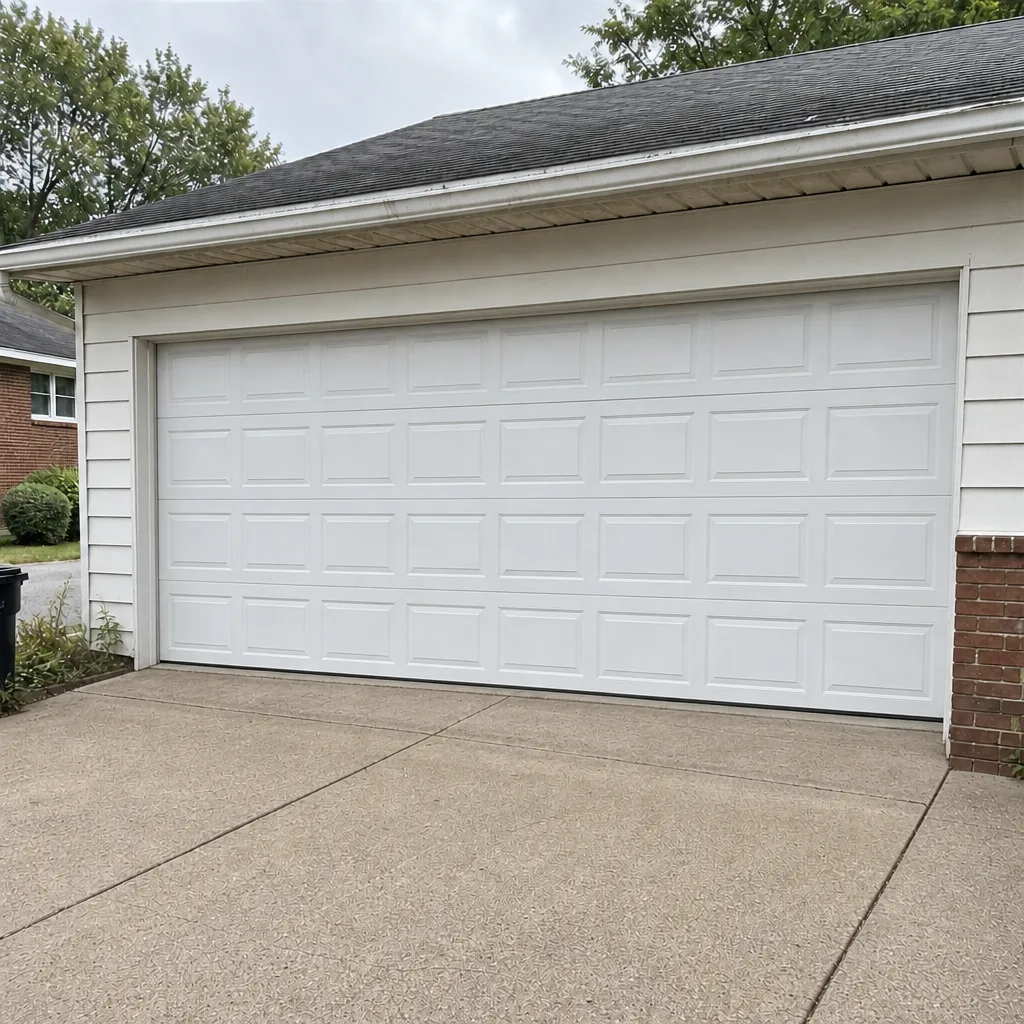 After
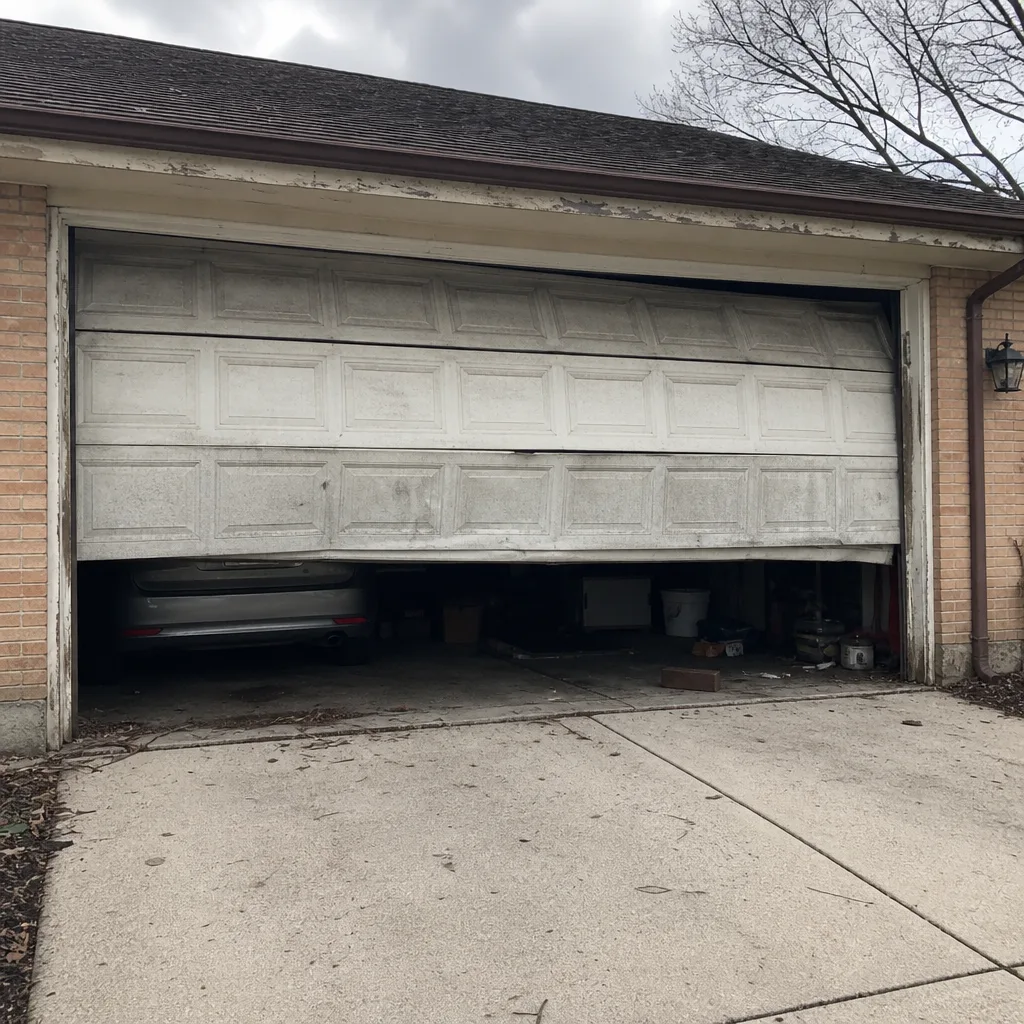 Before
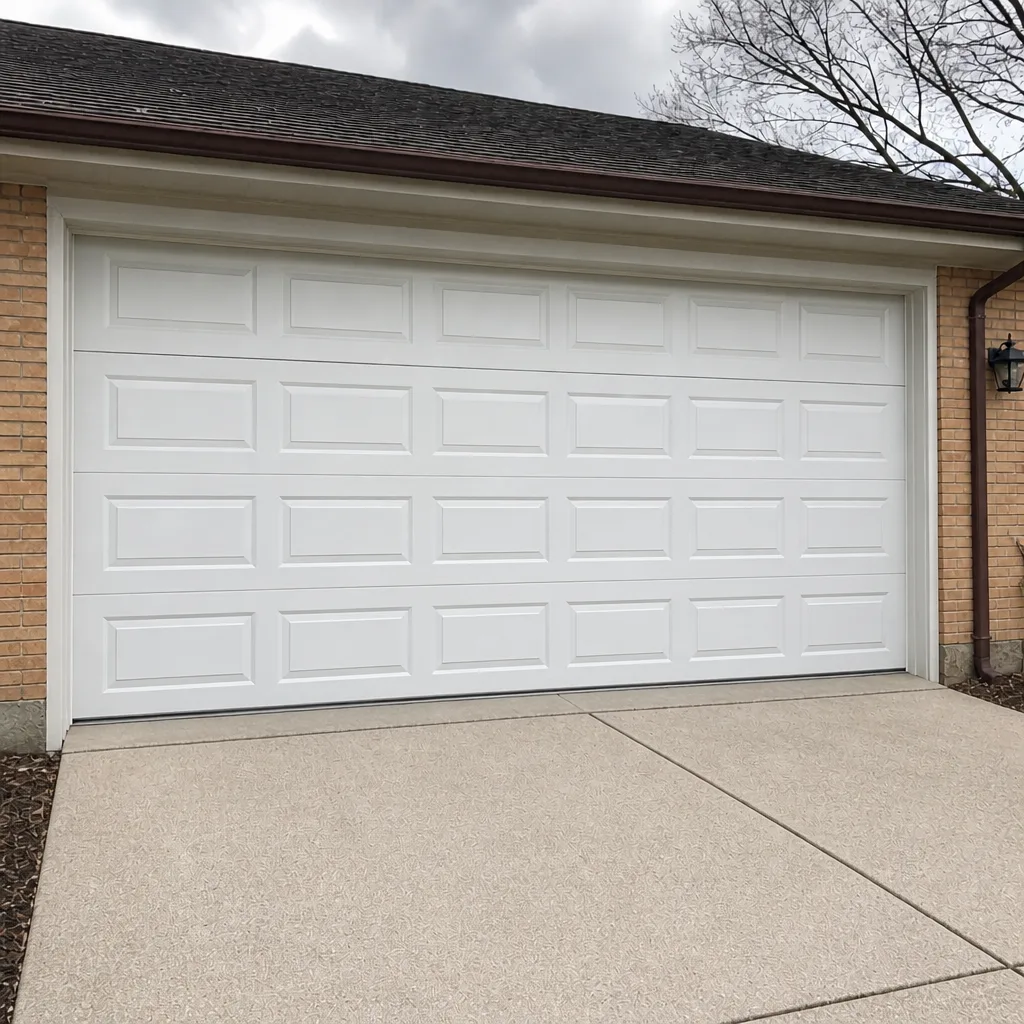 After