
Last updated November 21, 2026
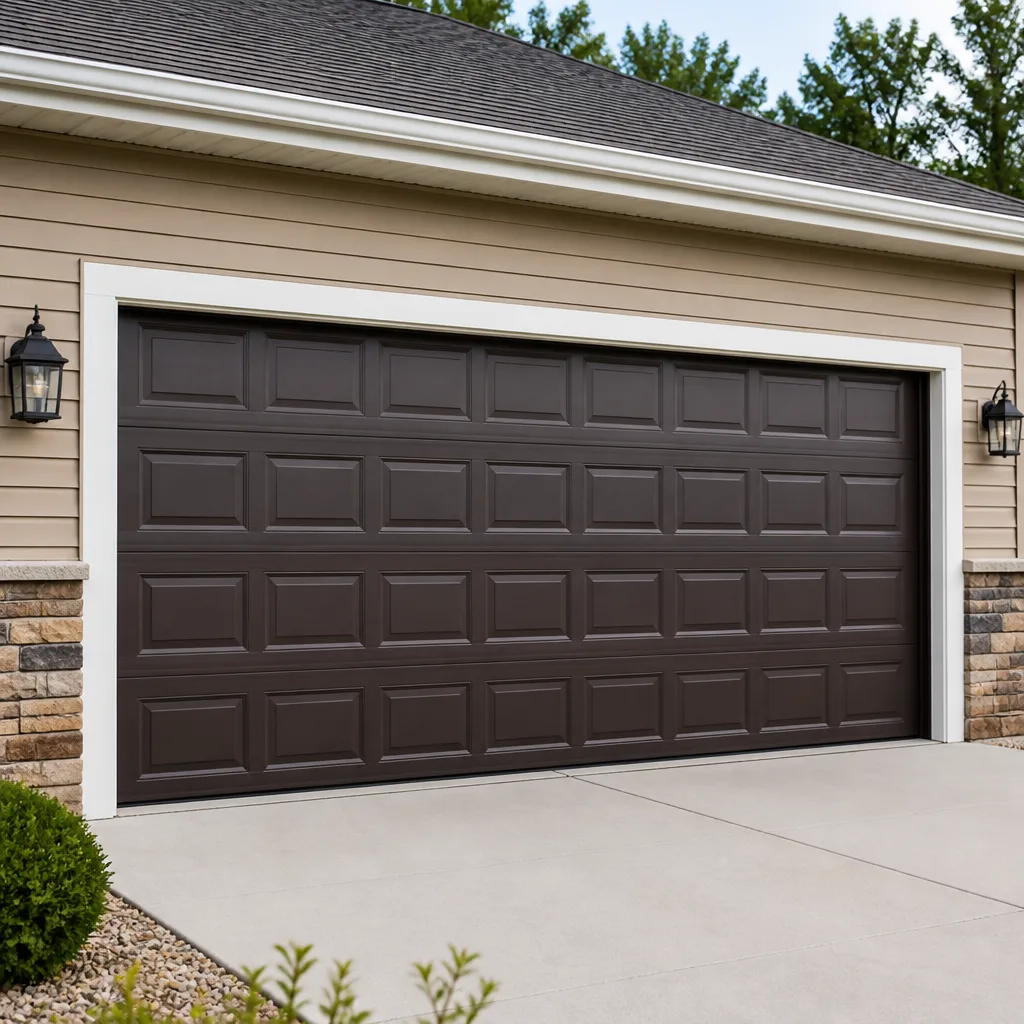 Raised-panel steel
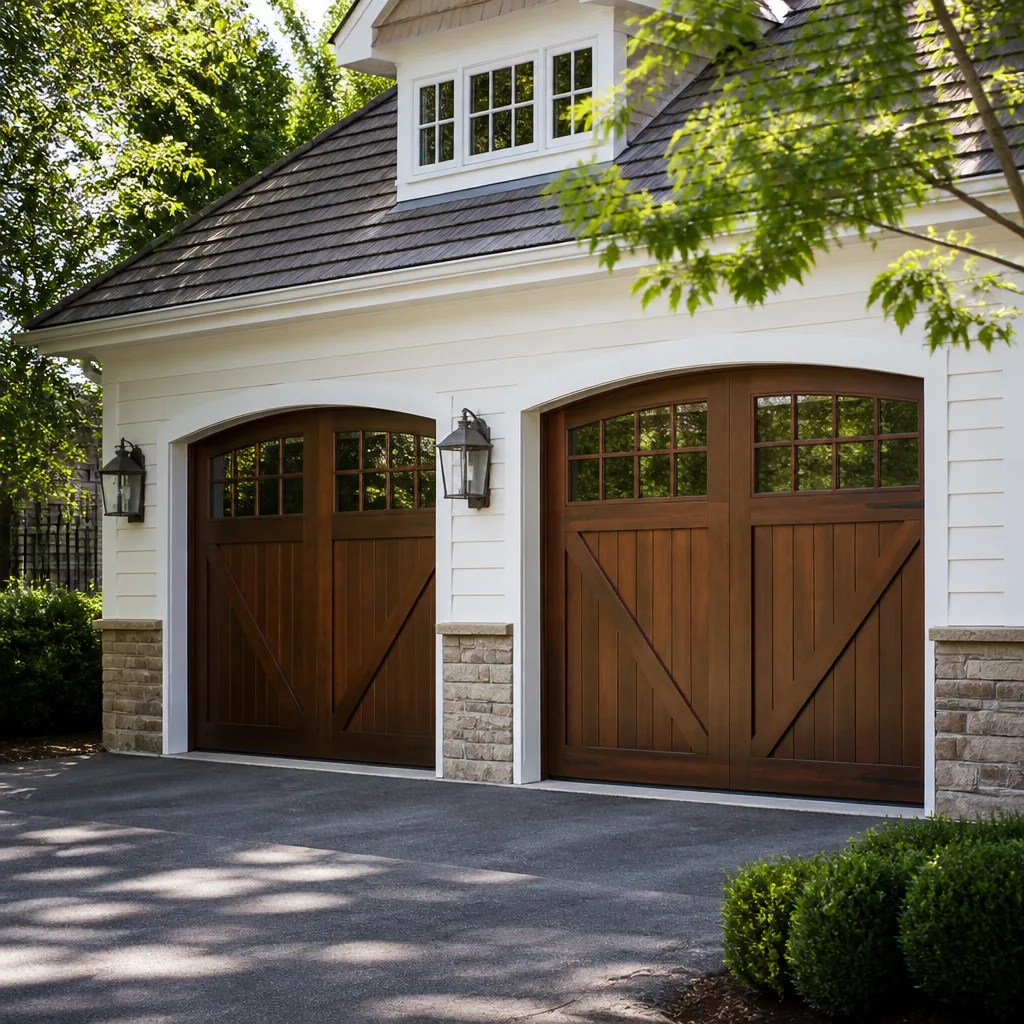 Carriage house
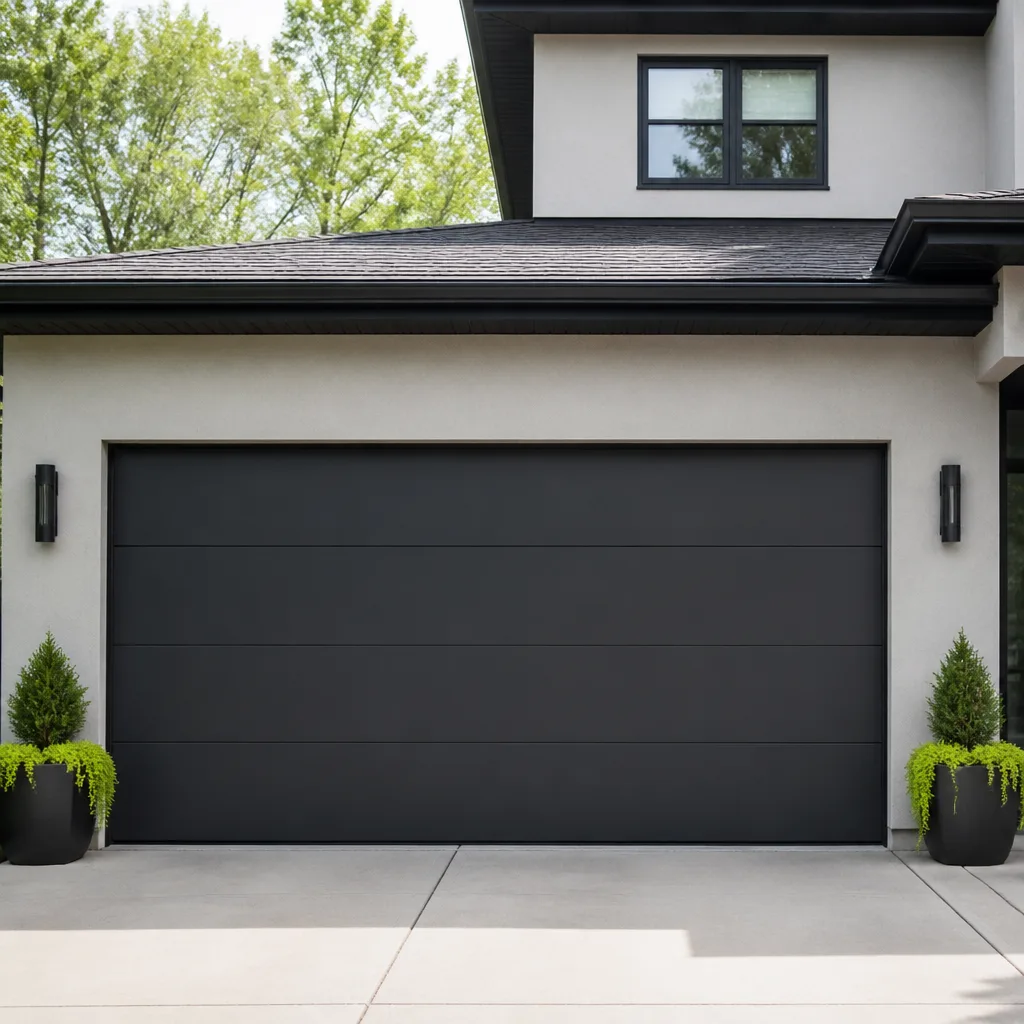 Modern flush
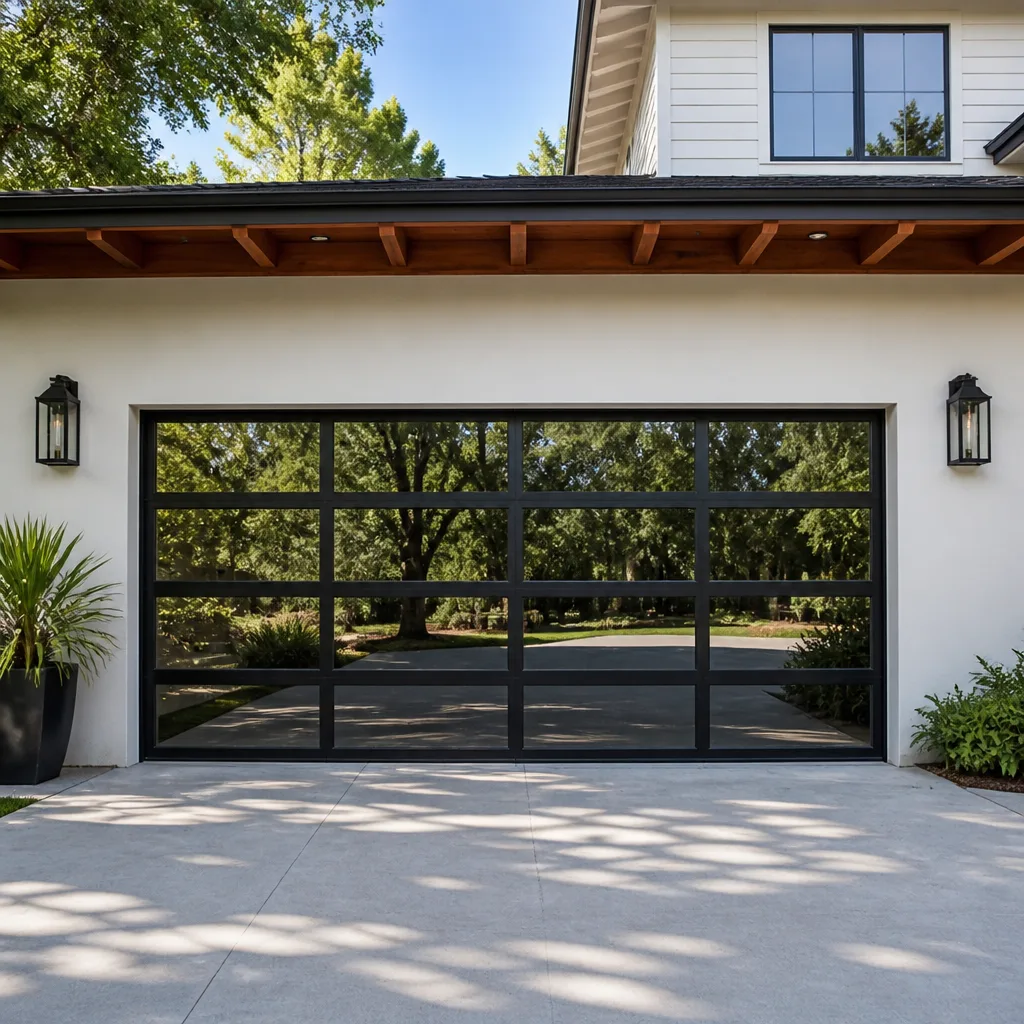 Full-view glass
 LiftMaster openers
 Chamberlain openers
Full 25-point door and opener safety check with every visit - springs, cables, rollers, tracks, and your LiftMaster or Chamberlain opener included
You get a price before we start. It does not change when the pro arrives.
Get your free estimateGarage Door Warning Signs: A Mount Greenwood Homeowner’s Reference Guide
A garage door that reverses before it fully closes isn’t malfunctioning. It’s doing exactly what it was engineered to do. The real question is whether a blocked sensor, a misaligned photo eye, or a close-force limit set too tight is triggering that reversal – three different repairs at three different price points. Most “warning signs” advice stops at the symptom and never connects it to the failing component. This guide works backward. For each thing you notice – the grind, the stall, the lag, the bang – we’ll name the part most likely behind it, tell you whether it’s a schedule-it repair or a stop-using-it-now situation, and help you describe the problem accurately when you call. That’s the difference between a fair quote and an overbid, and it matters whether you’re in Mount Greenwood or anywhere else.
Quick Answer
The warning signs that matter most on a garage door are slow operation, grinding or scraping noise, uneven travel, a door that reverses before closing, a door that won’t move at all, and any visible damage to springs, cables, or brackets. Slow operation points to spring fatigue, grinding usually means a roller or track problem, and a door that won’t budge is most often a broken spring or a snapped cable. Frayed cables, cracked spring coils, and bent bottom brackets are the signs that require you to stop operating the door and call a specialist.
Styles & brands we work with
- Raised-panel steel
- Carriage house
- Modern flush
- Full-view glass
- LiftMaster openers
- Chamberlain openers
Table of Contents
- Symptom-to-Component Diagnostic Matrix
- The Warning Sign Homeowners Ignore: A Door Running Slower Than It Used To
- Door Won’t Open? Telling a Spring Failure From a Cable or Opener Failure
- That Loud Bang From the Garage: What It Actually Means
- Signs to Stop Using the Door Immediately vs. Signs You Can Schedule
- Why Your Door Reverses Before Closing (and What It Costs to Fix)
- The Opener Runs but the Door Doesn’t Move
- When Repair Stops Making Sense
Symptom-to-Component Diagnostic Matrix
Here’s the core of this guide: a map from what you observe to the component most likely causing it. Garage door specialists diagnose by symptom first and brand second. In our experience, the symptom narrows the field to two or three parts, and the brand logic – whether it’s a Wayne Dalton torsion system or a Craftsman chain drive opener – confirms which one. Homeowners who can describe the symptom precisely get a faster, more accurate diagnosis on the first visit.
Use this as a starting checklist, not a diagnosis. Only a technician inspecting the actual door can confirm the cause.
- Door runs 2-3 inches slower than it used to: spring fatigue. The torsion or extension springs have lost tension and are no longer lifting the door’s weight efficiently. This is the earliest reliable sign of a spring heading toward failure.
- Grinding, scraping, or squealing while moving: worn steel rollers, dry or seized hinges, or a track that has bent or pulled out of alignment. Nylon rollers are quieter than steel and failing rollers are the usual culprit behind a new grinding noise.
- Door moves unevenly or racks side to side: a single broken extension spring on a two-spring door, a stretched lift cable, or a track that’s out of plumb. On a torsion setup, uneven travel often traces to a cable that’s jumped its drum.
- Door reverses before it touches the floor: a blocked or misaligned safety sensor, or a close-force limit set too tight. The opener is obeying its safety circuit, not breaking.
- Opener motor runs, door doesn’t move: a broken spring, a snapped cable, or a stripped opener gear or trolley. The motor is fine; the mechanical link between it and the door is not.
- Door opens a few inches and stops, or goes back down: a travel limit or force setting out of adjustment, a binding track, or a failing logic board on a smart opener.
- Remote or keypad works intermittently: opener logic, a dying battery, or radio interference. Not a door problem at all – this is garage door opener repair territory.
If several of these appear together, start from the most severe one. That’s usually where the real problem lives.
The Warning Sign Homeowners Ignore: A Door Running Slower Than It Used To
A door that opens or closes two or three inches slower than it did last year is the single most overlooked warning sign on a garage door. It isn’t a personality change in the opener. It’s spring fatigue, and it shows up months before the spring snaps. Homeowners in Mount Greenwood who catch this early get to choose when the repair happens instead of having it choose for them.
Here’s why slow travel matters. Torsion and extension springs are what actually lift the door. The opener only supplies the push. As a spring loses tension over thousands of cycles, the door gets heavier relative to what the spring can lift, and the whole system drags. The opener strains to compensate. You notice the lag, but the more important thing happening is that the spring is in its final stretch of life and the opener is working beyond its design.
Two separate costs build from an ignored slow door:
- The spring itself will eventually break, likely at a time you don’t choose.
- The opener takes strain it wasn’t built for, so you’re adding wear to a second component while waiting on the first.
Checking for this is simple and safe. Watch the door from a distance and count the seconds it takes to travel fully. Compare it to how you remember it. If the door hesitates at the start, sounds labored lifting, or takes noticeably longer, that’s your signal. Get it looked at on a scheduled basis rather than an urgent one. A spring that’s fading can be replaced before it fails, and that’s a calmer repair than a door frozen open or closed.
One thing we’ll flag clearly: don’t test spring tension by hand or try to adjust it. Torsion springs are under enormous stored force, and even a fully “tired” one can injure you. Reading the symptom is safe. Touching the hardware is not. That’s a trained-professional job, and it’s a service we take on directly rather than sending out. If you want the full picture of what spring work involves, our Garage Door Repair Mount Greenwood page covers the scope.
Door Won’t Open? Telling a Spring Failure From a Cable or Opener Failure
When a door won’t open, the three most common causes are a broken spring, a snapped or slipped cable, and an opener failure – and each looks slightly different if you know what to look at. Distinguishing them matters because they’re different repairs with different parts and different urgency.
Do this from outside the door’s path, with the opener disconnected if you can do so safely. Never put your hands near the springs, cables, or brackets to investigate.
- Listen to the opener. If you hear the motor running but the door doesn’t move, the opener is alive and the mechanical link is broken – spring, cable, or trolley. If you hear nothing at all, the opener or its power is the problem.
- Look at the springs above the door. A torsion spring is a horizontal coil mounted on a shaft above the door. A visible gap in the coil means a broken torsion spring. Extension springs run along the tracks on either side; a stretched-out or dangling one has failed.
- Check the cables. Lift cables run down each side and wind onto drums. A cable that’s off its drum, frayed, or hanging loose is a cable failure. Frayed cables are a stop-now condition – they can whip when they let go.
- Try the manual release. If the opener disengages and the door still won’t lift by hand (gently, from the bottom, keeping clear), the door has lost its spring assist and is too heavy. That confirms a spring problem.
A spring failure is the most common cause of a dead door. A cable failure is the most dangerous to ignore. An opener failure is the one most likely to be a simple fix – a gear, a capacitor, a limit switch – on a unit that’s otherwise sound. Because we service LiftMaster, Chamberlain, Genie, and Craftsman openers as their own specialty, we’ll tell you when an opener is repairable instead of defaulting to a full replacement.
If the door is stuck and you need eyes on it, call us. We answer 24/7, with fast dispatch from 7am to 7pm, Sunday through Friday. For a breakdown of what door repair covers in this area, see garage door repair.
That Loud Bang From the Garage: What It Actually Means
A loud bang from the garage – often followed by the door staying put – is almost always a broken torsion spring, not a structural problem with your house. The sound is the stored energy of the spring releasing at once. It can be startling, and it can rattle the whole house, but the framing and the door itself are usually fine. What changed is that the door has lost its lift assist and is now dead weight.
The first ten minutes after that bang matter. Here’s what to do:
- Don’t try to open or close the door. An unassisted door is extremely heavy, and forcing it can bend panels, snap a cable, or bring the door down.
- Keep people and pets clear of the door’s path and underneath it.
- If it’s safe to reach, pull the manual release so the opener isn’t fighting a door it can’t move. Don’t force anything to do this.
- Check for a visible coil gap above the door from a distance. If you see it, that confirms the spring. Don’t touch it – a broken spring can still hold tension.
- Call a specialist. Spring replacement is a high-tension job requiring the right tools and training. This is not a repair to attempt with a general handyman, and we don’t outsource it for that reason.
If the bang happened and the door is now stuck open or closed, you need someone on it. Call (855) 914-9447. We answer 24/7. A call outside dispatch hours is booked into the next opening, Sunday through Friday, 7am to 7pm. Spring work is core to what we do, and it’s how we built our reputation as garage door specialists here in Mount Greenwood.
Signs to Stop Using the Door Immediately vs. Signs You Can Schedule
Some warning signs are a “stop now” and some are a “book it in this week or two” – and treating them the same either overstates the danger or, worse, understates it. Splitting them apart helps you decide quickly without panicking over a repair that isn’t urgent.
Stop using the door and call today:
- Frayed or snapped lift cables. A frayed cable can whip free under tension. This is the most dangerous condition on the list.
- A cracked or gapped torsion spring, or a visibly broken extension spring. The door has lost its counterbalance and is unsafe to operate.
- A bent or cracked bottom bracket. The bottom bracket carries cable tension and is a known injury point when it fails.
- A door that slams down or drops unevenly. Loss of control on the way down can damage the door or hurt someone underneath.
- A door that comes off its track or hangs crooked. Operating it can pull the whole door down.
Schedule within a reasonable window:
- The slow-down sign we covered earlier – a door that’s gotten 2-3 inches slower is telling you the spring is tired, not yet failed.
- Grinding or squealing from rollers and hinges. Annoying and wearing, but not an immediate hazard if the door travels evenly.
- A single noisy or sticking roller.
- An opener that hesitates, clicks, or responds slowly to the remote. This is opener service you can plan, not a door emergency.
- Cosmetic wear on panels, seals, and weatherstripping.
The general rule: anything touching springs, cables, or brackets is a stop-now. Anything touching rollers, tracks movement, or the opener’s electronics is usually schedulable. When you’re not sure which bucket a symptom falls into, describe it to us by phone. We’d rather help you sort it out than have you operate a door that shouldn’t move.
Why Your Door Reverses Before Closing (and What It Costs to Fix)
A door that reverses before it fully closes is doing its job. The safety system is detecting a problem and sending the door back up. The repair depends entirely on which part of that system is triggering – and the three possibilities sit at very different price points.
The three usual causes:
- Blocked or dirty safety sensors. The photo eyes near the floor can be obstructed by cobwebs, trash, a parked bin, or sun glare. Cleaning them or moving the obstruction is the simplest fix.
- Misaligned sensors. If either eye is knocked out of line, the beam breaks and the door reverses. Realigning them is a small adjustment.
- Close-force limit set too tight. The opener’s force setting can be too sensitive, so the door reverses on contact with the smallest obstruction, or on its own weight. This is an opener adjustment.
In our experience, the biggest cost mistake here is accepting a full opener replacement quote for a sensor problem that a realignment or a cleaning would have solved. A specialist will test the sensors and the force limit before recommending anything more. If the opener itself is failing its logic checks, that’s when repair or replacement enters the conversation. On a modern LiftMaster or Chamberlain unit, that’s often a board or a travel-limit issue, and we handle opener repair as its own specialty rather than jumping to a new unit.
If your door is reversing and you’re stuck with a door you can’t trust, call (855) 914-9447. We answer 24/7. Fast dispatch from 7am to 7pm, Sunday through Friday. Estimates are free, and we confirm exactly what’s causing the reversal before we quote anything.
The Opener Runs but the Door Doesn’t Move
When you hear the opener motor running and the door sits still, you’ve eliminated half the system in one observation. The opener has power and the operator is trying to work. The failure is in the link between the opener and the door, or inside the opener’s drive train.
The likely causes, in rough order of frequency:
- A broken spring. The opener pulls, but there’s no counterbalance, so it can’t lift the dead weight. You’d usually have heard the bang first.
- A snapped or jumped cable. The door is off balance and the opener can’t move it evenly.
- A stripped opener gear or a broken trolley. The motor turns but the drive link is stripped. This is common on chain- and belt-drive units after years of use.
- A disconnected manual release. Sometimes the release has been pulled and never re-engaged, so the opener and door aren’t connected at all.
- A binding track or seized roller. The opener strains against a door that physically won’t slide.
Distinguishing these is mostly about which brand and mechanism you have. A Craftsman chain drive fails differently than a modern smart opener with a DC motor and battery backup. That’s why brand-specific diagnostics matter: a technician who services Raynor, Wayne Dalton, and Genie openers as part of the job knows the failure modes for each, and can tell you whether a part fixes it or whether you’re looking at a new unit. Our technicians have up to 10 years of experience across those systems, and they carry and source parts to avoid the “we have to order that” delays that strand a door half-working.
If your opener is running but the door won’t move, that’s a repair we can diagnose. Door and opener failures both land in our garage door repair service, and we’ll tell you plainly whether it’s a part or a replacement.
When Repair Stops Making Sense
Most warning signs point to a repair, not a replacement. But there comes a point where fixing a component makes less sense than installing a door that’s already sound. Knowing where that line falls keeps you from pouring money into a door that’s telling you it’s done.
Leaning toward repair:
- The door is otherwise straight, quiet, and balanced.
- A single component failed – one spring, one roller, one opener gear.
- The panels, tracks, and hardware are in good shape.
- You want to keep the door you have because it matches the house.
Leaning toward replacement:
- Multiple components are failing around the same time, which usually means the door as a whole is at the end of its service life.
- Panels are bent, dented, or rotting, especially on a wood or insulated model.
- The tracks are bent beyond adjustment.
- The opener is failing its logic checks and the door itself is also worn.
For a Mount Greenwood homeowner weighing this, the honest answer is that most door problems are single-component failures, and single-component failures are almost always worth repairing. Restoring what you have is usually the right call. When replacement is genuinely the better path, our garage door installation service covers a full new-door install with a proper measure and written quote – not a same-day promise, because new doors are measured, ordered, and scheduled. Either way, you get a clear answer before any work starts.
See the difference
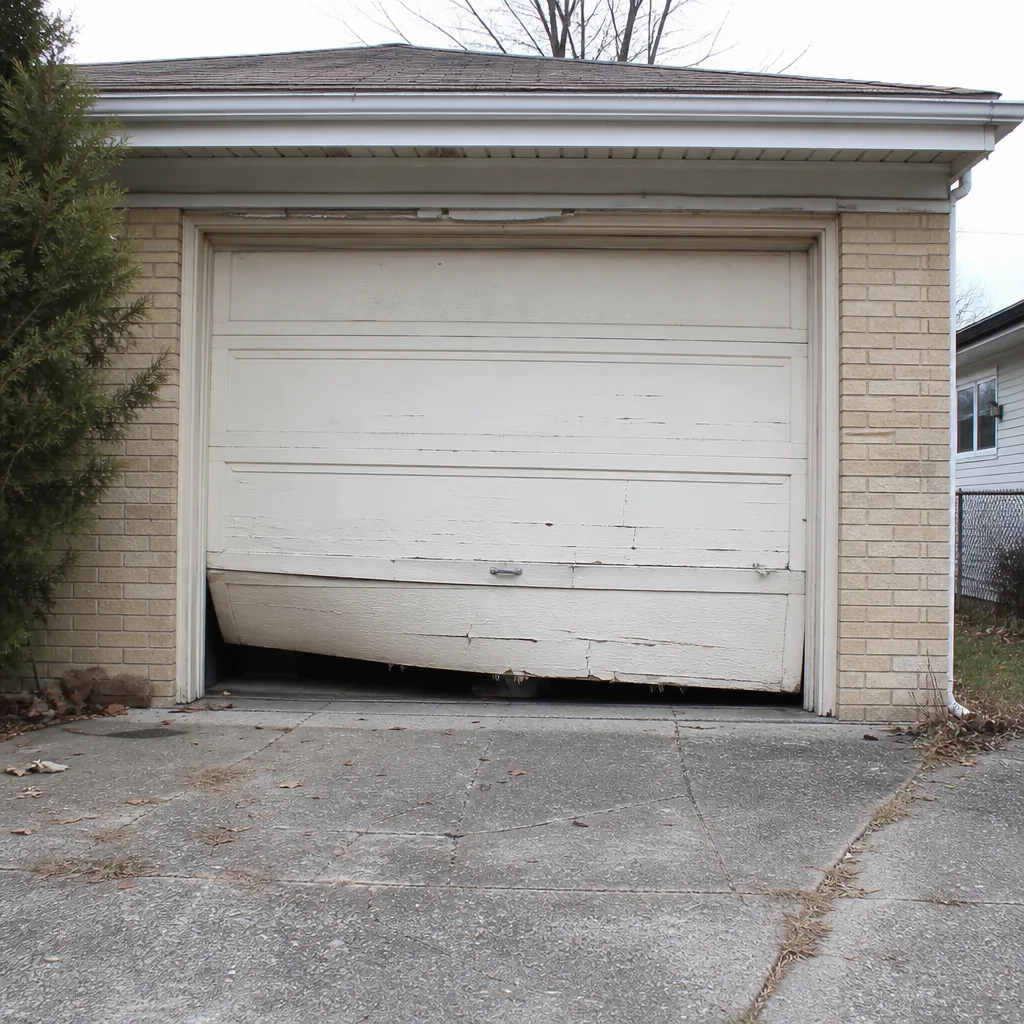 Before
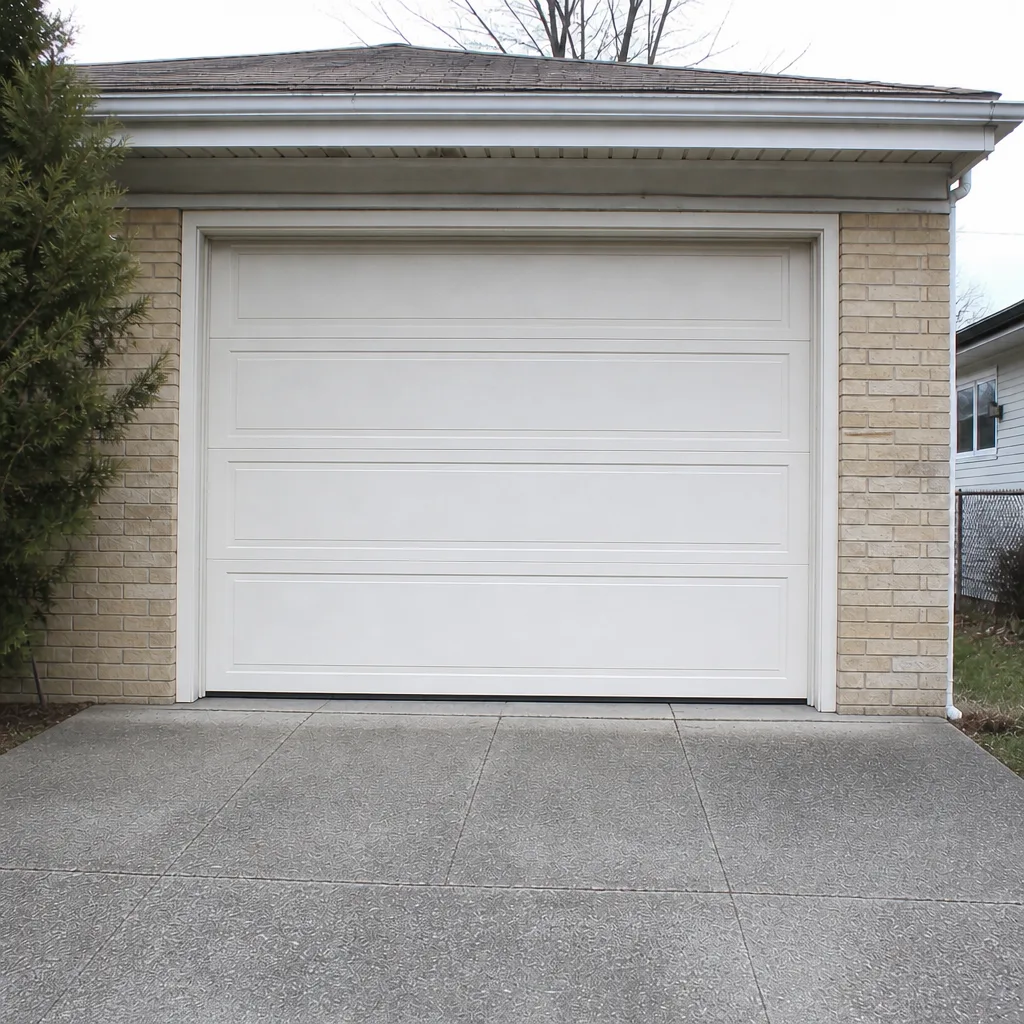 After
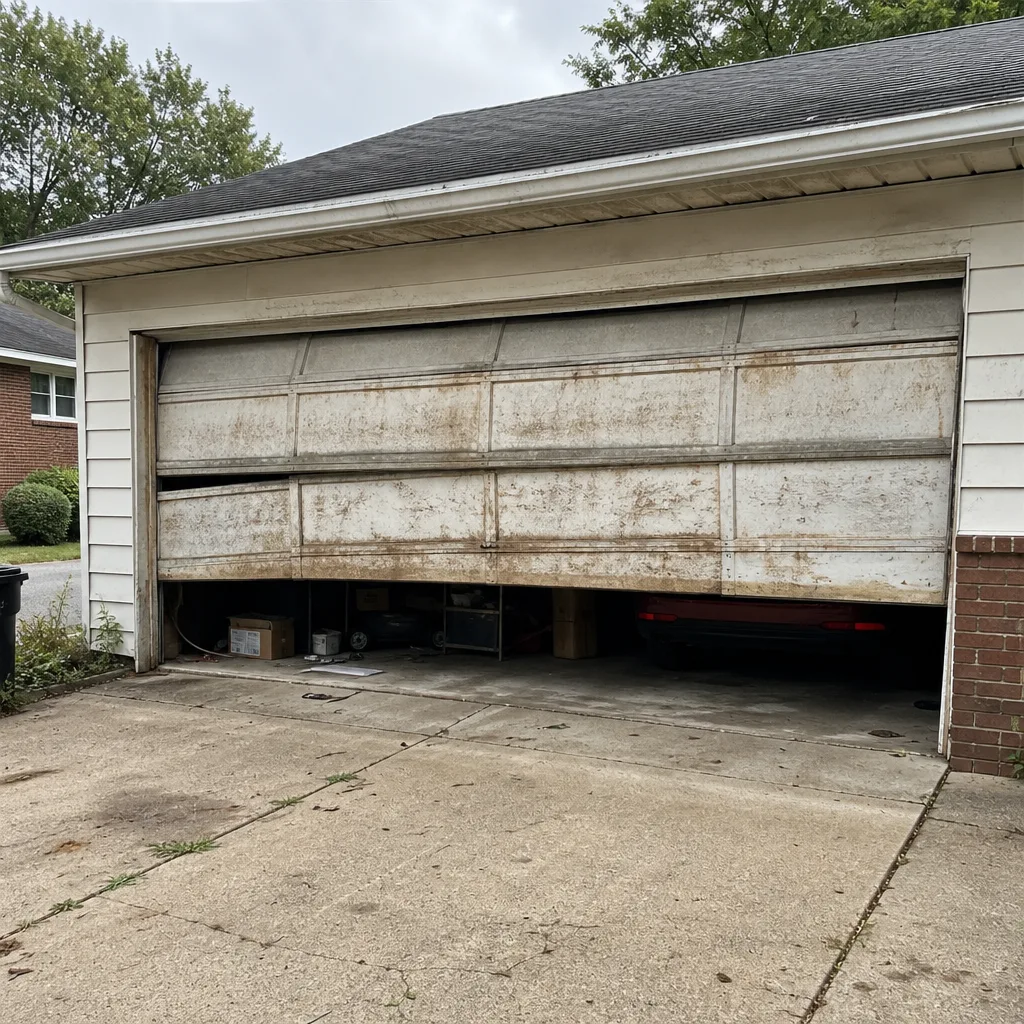 Before
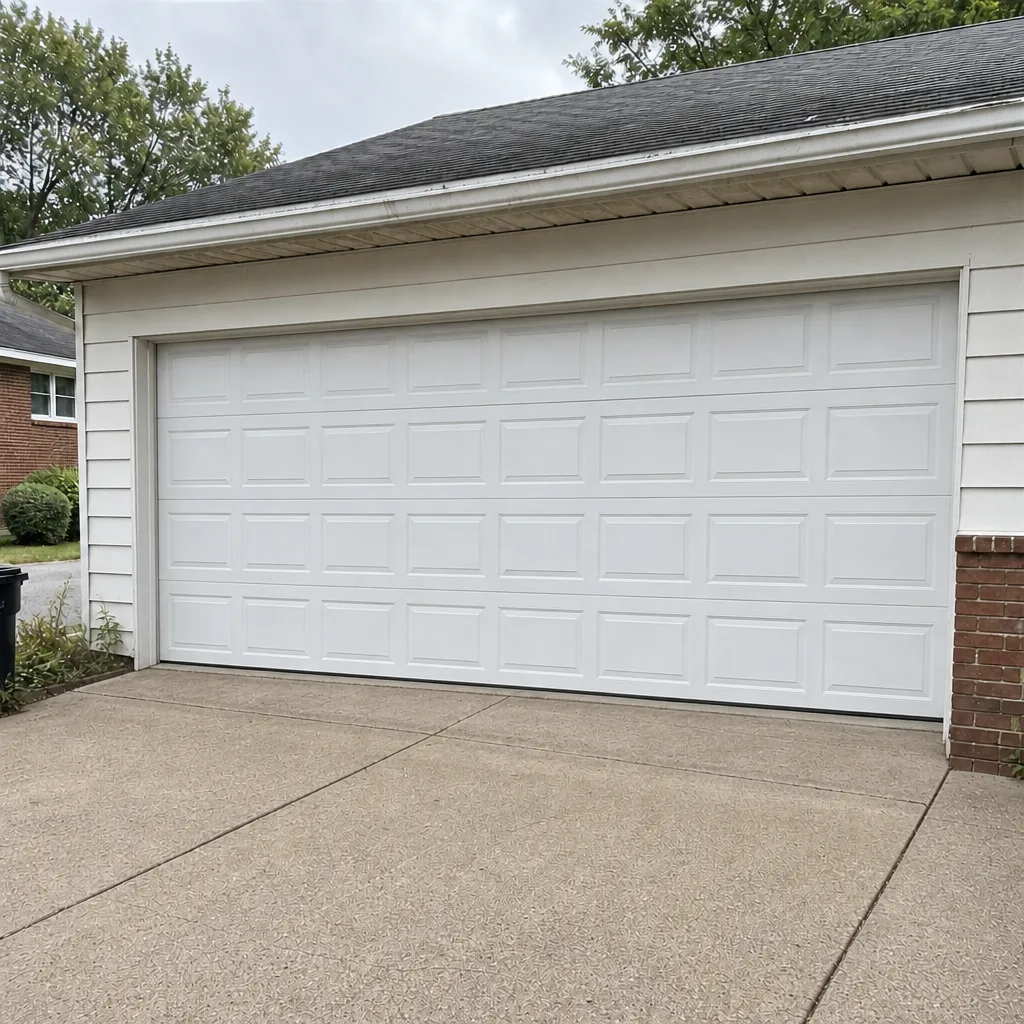 After
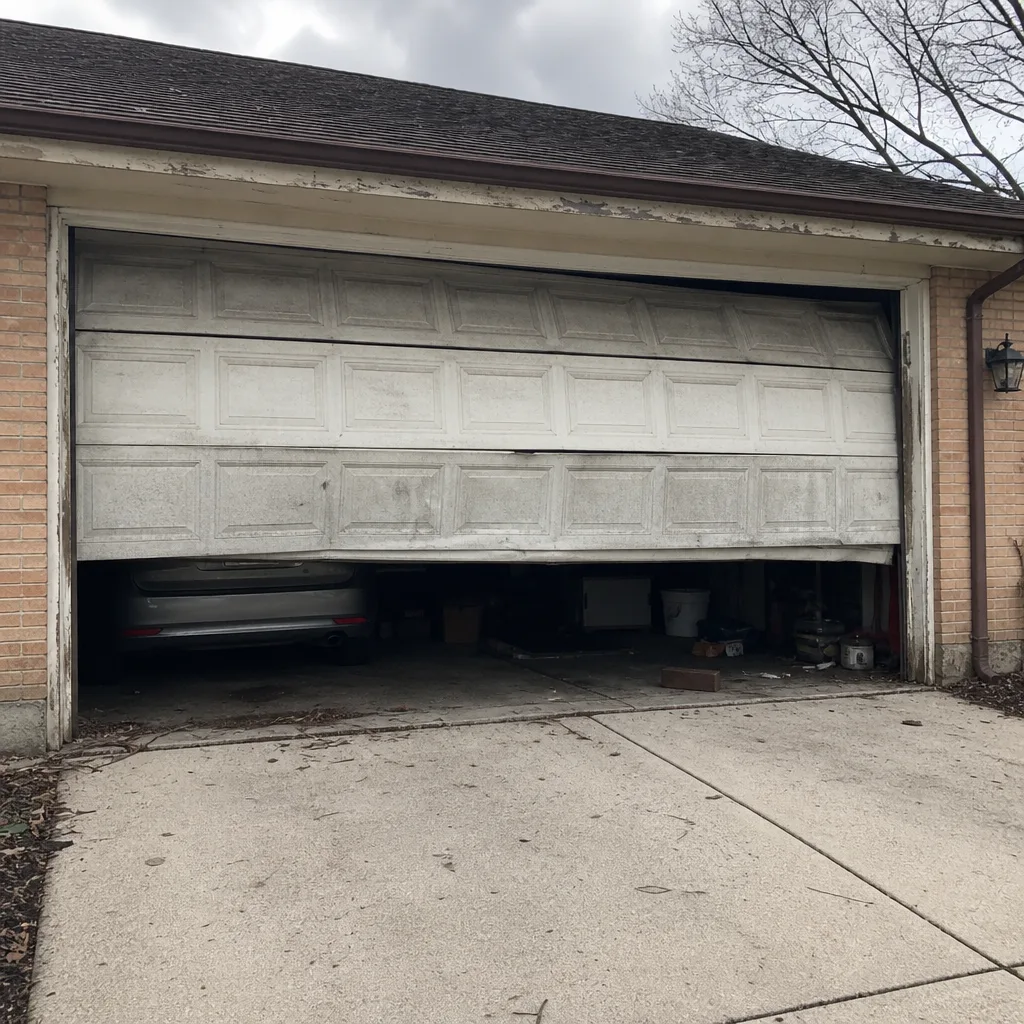 Before
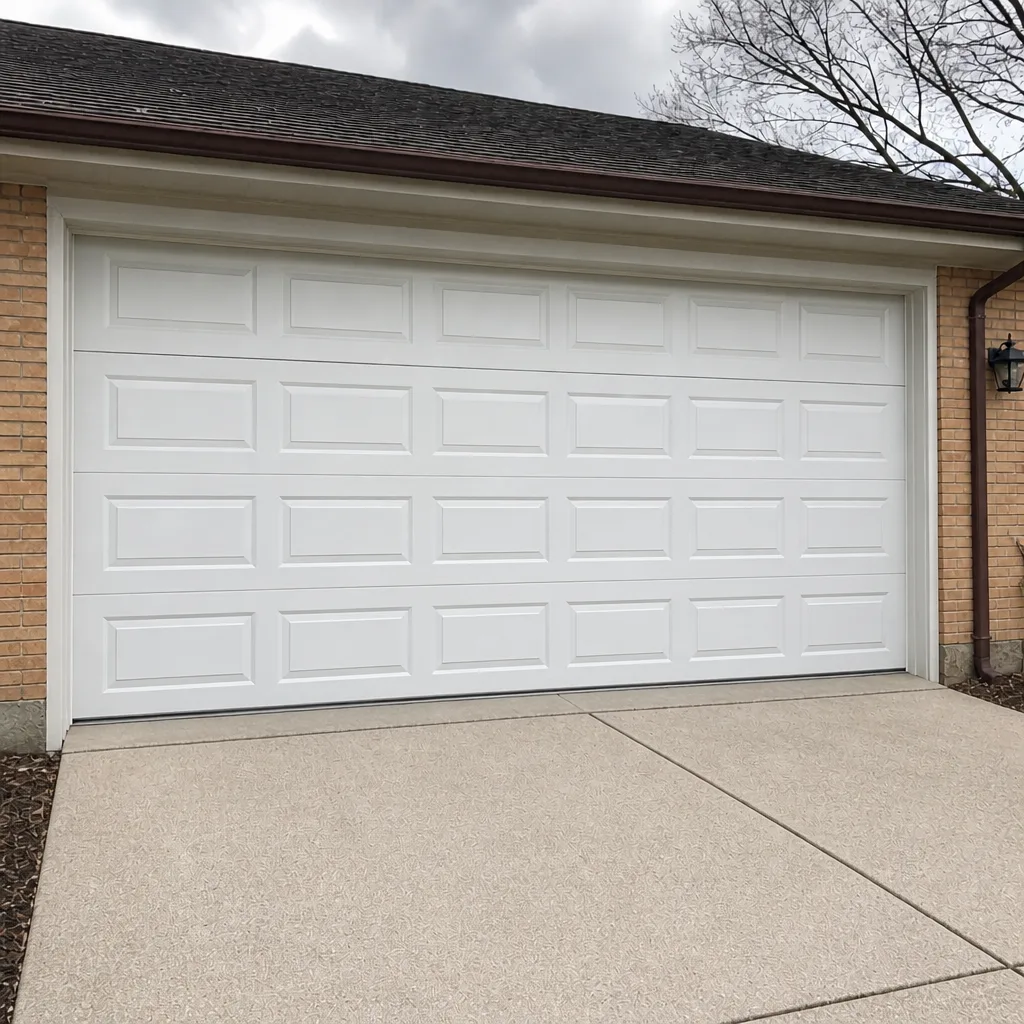 After
Common Mistakes to Avoid
- Assuming a reversing door means a dead opener. Reversals are usually sensor or force-limit issues, not a dead motor. Accepting an opener replacement quote before anyone tests the sensors is the most expensive mistake on this list.
- Letting a slow door “wait until it’s a problem.” The 2-3 inch slowdown is the spring telling you it’s near the end. Waiting turns a scheduled spring repair into an emergency one.
- Testing or adjusting springs by hand. Torsion and extension springs store enormous force. This is the one component you never touch yourself, no matter how clearly you’ve diagnosed it.
- Calling a general handyman for a spring or cable job. Many generalists decline or outsource high-tension spring work for liability reasons. Call a garage door specialist who does it directly.
- Ignoring a frayed cable because the door “still works.” A frayed cable is a stop-now condition even when the door is still moving. It can fail without warning.
- Buying a new opener when the door is the problem. If the door has lost its spring assist, a new opener won’t fix it. Diagnose the door before you replace the operator.
- Not writing down the symptom before you call. “It’s broken” leads to guesswork. “The opener runs but the door won’t move, and the door was slow for a couple of months first” leads to a diagnosis. In Mount Greenwood, where we take these calls regularly, the detail helps us arrive ready.
When to Call a Professional
Call a professional for anything touching springs, cables, brackets, or the opener’s high-voltage side. Those aren’t homeowner-safe repairs, and a wrong move can cause injury. Call now if you have a frayed cable, a cracked spring, a bent bottom bracket, a door off its track, or a door that slams. Call to schedule if you’ve noticed the slow-down sign, grinding rollers, a reversing door, or an opener that hesitates. If the door is dead and you rely on it as a primary entry, don’t sit on it – get eyes on it. Garage Door Repair Mount Greenwood offers free estimates in Mount Greenwood – call (855) 914-9447. We answer 24/7, with fast dispatch from 7am to 7pm, Sunday through Friday. Every price is quoted and agreed before any work starts, so there are no surprises when the repair is done.
Frequently Asked Questions
A door that opens or closes two to three inches slower than it used to. That slowdown is usually spring fatigue, and it shows up months before a spring breaks. Catching it means a scheduled repair instead of a sudden failure. If your door has slowed down, call (855) 914-9447 for a free estimate.
No. Torsion and extension springs store enormous force and can injure you badly even when they look relaxed. This is a trained-professional repair that requires specific tools. Call us if a spring looks broken or the door has gotten heavy – spring work is core to what we do. Call (855) 914-9447 for an exact quote.
Usually not. A reversing door is almost always a blocked sensor, a misaligned photo eye, or a close-force limit set too tight. Each is a small adjustment, not a full opener replacement. We test the sensors and the force setting before recommending anything. Call (855) 914-9447 for a free estimate.
That bang is almost always a broken torsion spring releasing its stored energy at once, not a problem with your house’s structure. Stop operating the door afterward – it’s now too heavy for the opener and unsafe to force. We do spring replacement directly. Call (855) 914-9447, and we’ll book it into the next opening.
If one component failed – a spring, a roller, an opener gear – repair almost always makes sense. If panels, tracks, and hardware are all worn at once, replacement is worth considering. A free estimate in Mount Greenwood will tell you which side of that line you’re on. Don’t accept a replacement quote for a single failed part.
We won’t give you a number without seeing the door, because a sensor realignment, a roller replacement, and a spring repair sit at very different price points. The estimate is free, the price is quoted per job, and the figure is agreed before any work starts. Call (855) 914-9447 for an exact quote.
The Bottom Line
The warning signs on a garage door are a language. A slow door is a tired spring. A grinding sound is a worn roller or a bent track. A reversing door is a sensor or a force setting doing its job. A bang is a spring that let go. Learn to read those signals and you’ll catch most failures early enough to schedule them, describe them accurately, and avoid both the emergency and the overbid. When a sign touches springs, cables, or brackets, stop and call. For everything else, book it in. Our technicians have up to 10 years of experience across the brands you’ll find on Mount Greenwood doors, from Amarr and Wayne Dalton steel systems to Craftsman and Raynor openers. Call (855) 914-9447 for a free estimate. We answer 24/7. Fast dispatch from 7am to 7pm, Sunday through Friday.
Written by the team at Garage Door Repair Mount Greenwood.