
Last updated November 21, 2026
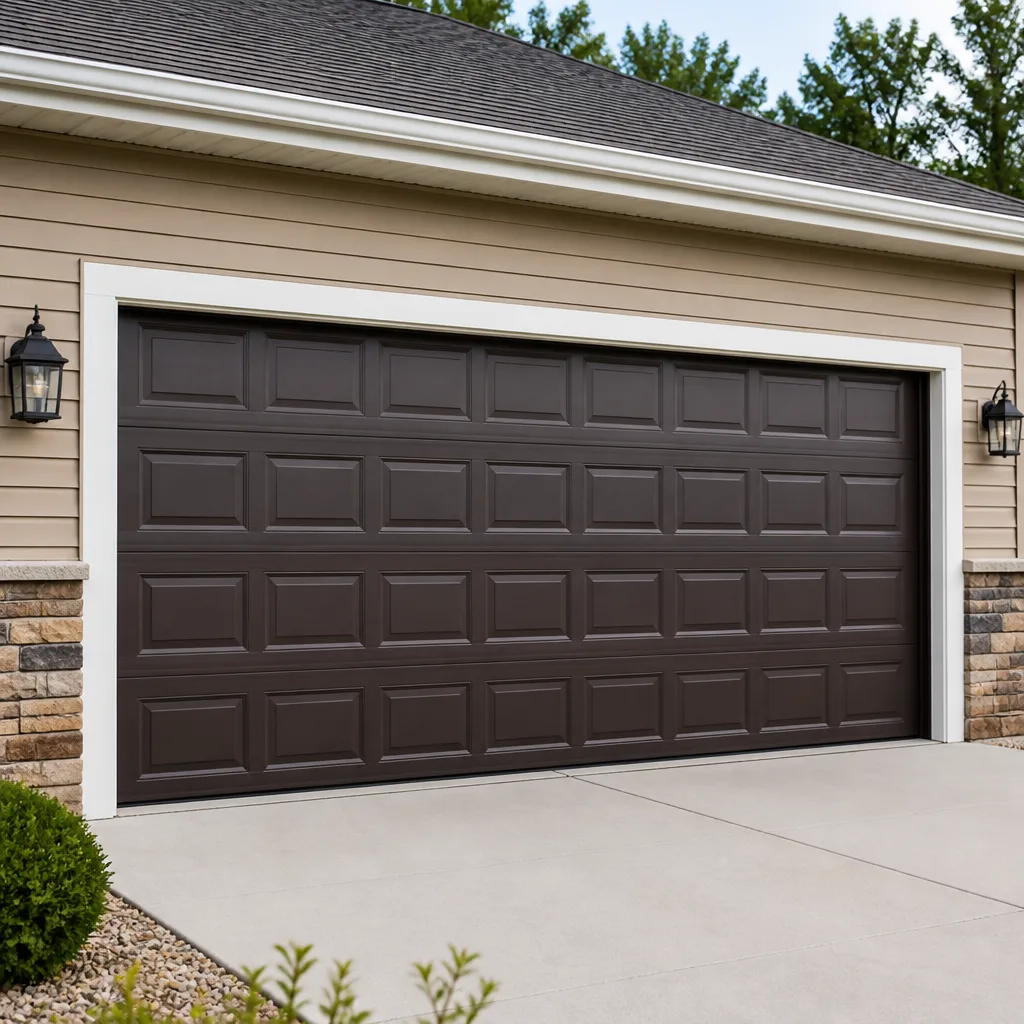 Raised-panel steel
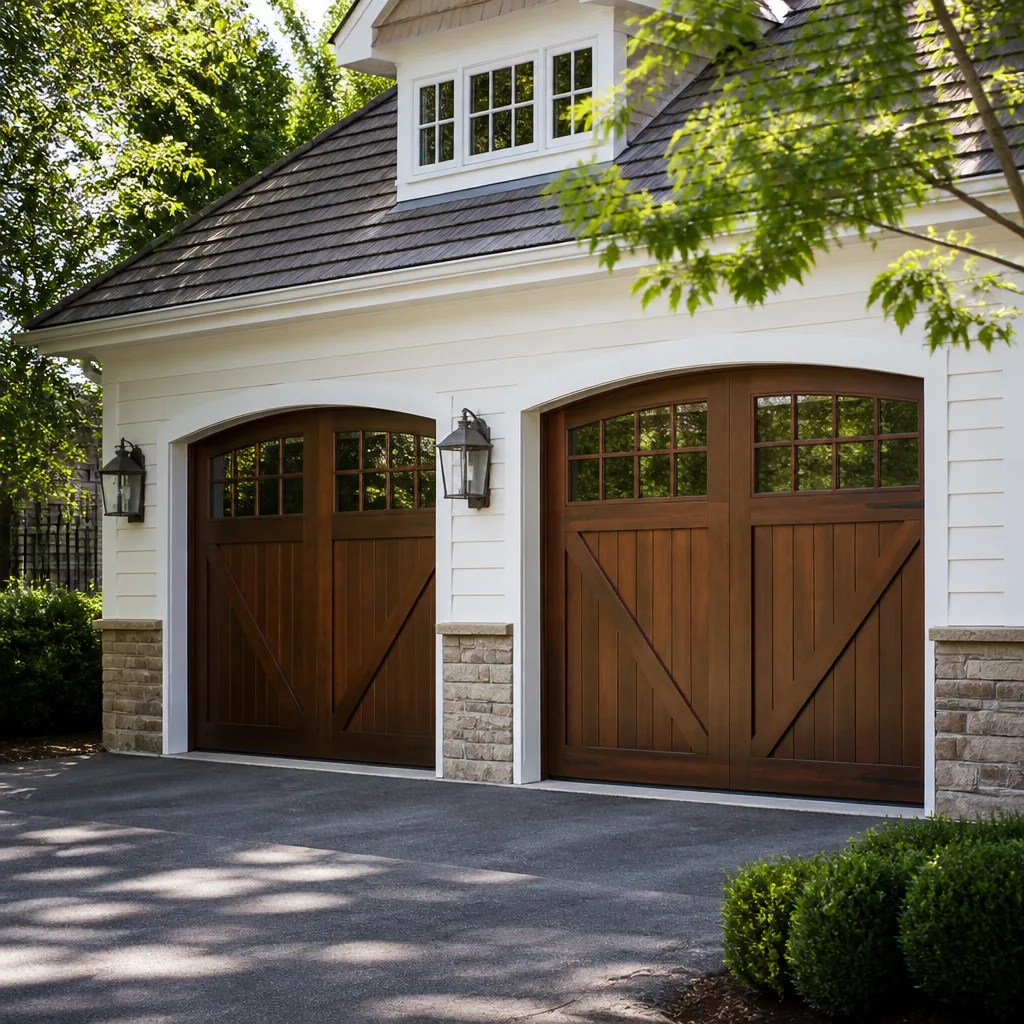 Carriage house
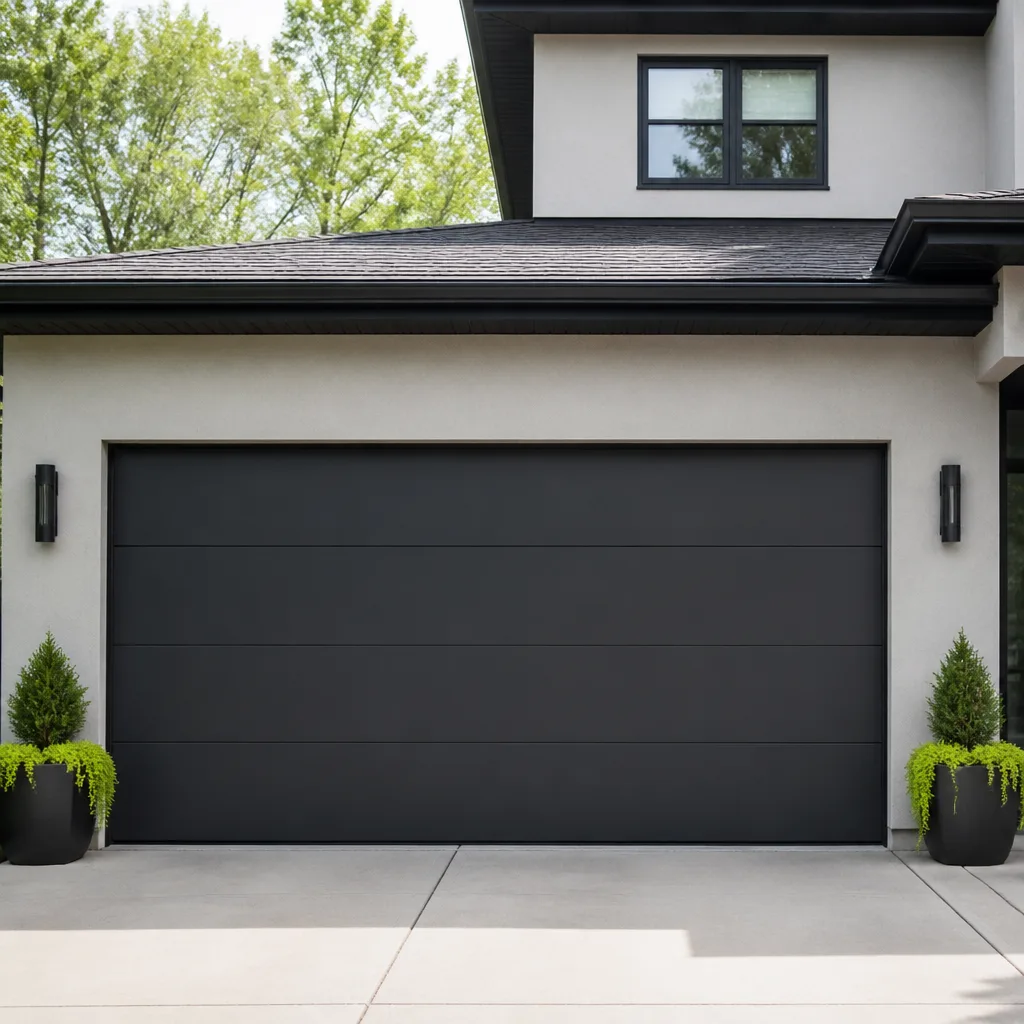 Modern flush
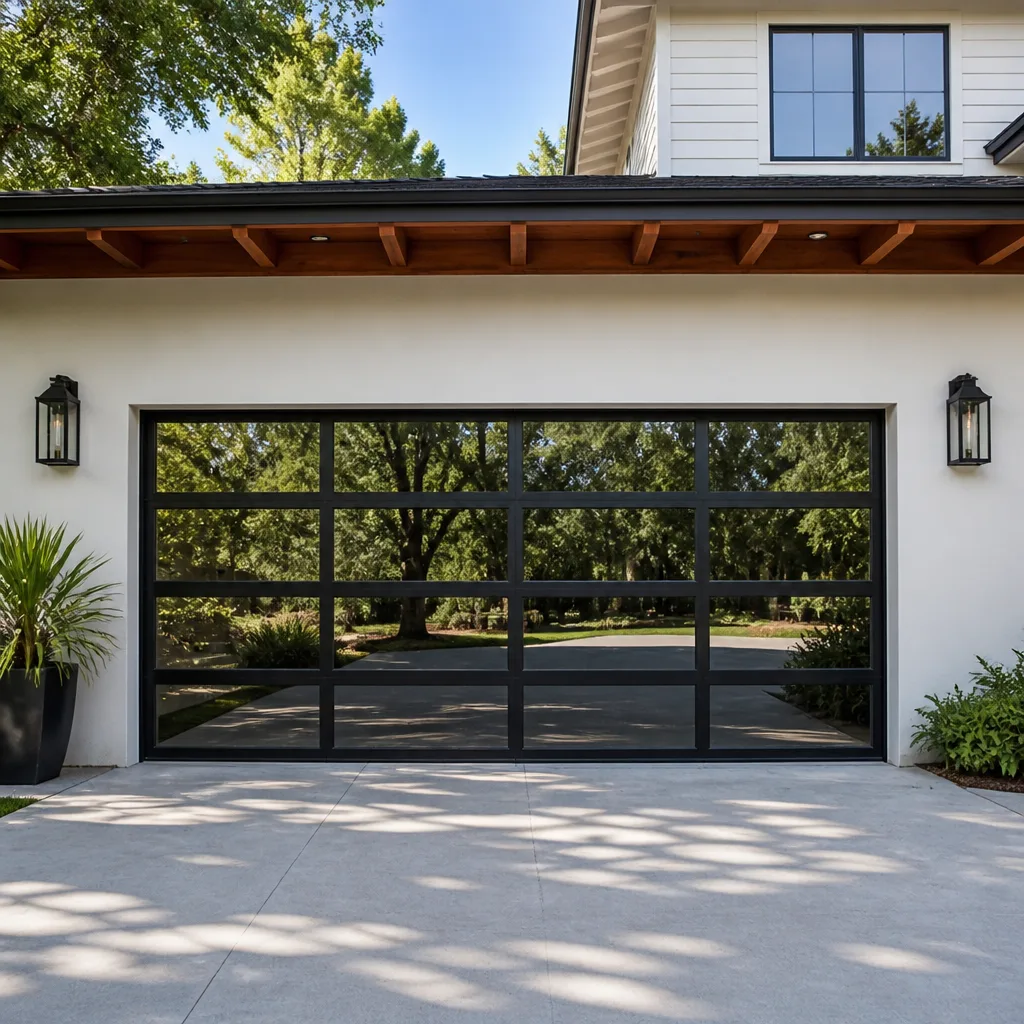 Full-view glass
 LiftMaster openers
 Chamberlain openers
Full 25-point door and opener safety check with every visit - springs, cables, rollers, tracks, and your LiftMaster or Chamberlain opener included
You get a price before we start. It does not change when the pro arrives.
Get your free estimateSeasonal Garage Door Care for Mount Greenwood: Year-Round Homeowner’s Guide
Most homeowners assume garage door failures are random. A spring snaps, a door sticks, an opener strains against something, and it feels like bad luck. In Mount Greenwood, it rarely is. The specific sequence of Chicago seasons produces a specific sequence of failure modes, and they hit the same components in the same order every year. The door that leaves you stranded on a cold morning usually gave clear warnings back in October. This guide maps each season to the part most likely to fail and why it fails, so you can act on those warnings instead of waiting for them to become a repair bill. We’ll cover the fall window for spring attention, the winter ice test that protects your opener, the spring frame check, the summer re-balancing that saves your weatherstripping, and the one service call each year that maximizes parts life.
Quick Answer
Garage door care in Mount Greenwood follows a seasonal pattern: adjust and inspect springs in fall before cold metal loses ductility, check track seams for ice in winter before the opener compensates by overheating, inspect frames in spring after freeze-thaw movement, and re-balance hardware in summer when heat expansion opens panel gaps. The single highest-value habit is scheduling one full service call each fall, timed to the temperature swing Mount Greenwood sees between October and January.
Styles & brands we work with
- Raised-panel steel
- Carriage house
- Modern flush
- Full-view glass
- LiftMaster openers
- Chamberlain openers
Table of Contents
- Why Seasonal Care Matters More in Mount Greenwood
- Fall: The Only Correct Time to Adjust Spring Tension
- Winter: Ice in Track Seams and the 60-Second Opener Test
- Spring: Freeze-Thaw, Frame Distortion, and Doors That Stick
- Summer: Heat Expansion, Panel Gaps, and Why Re-Balancing Beats New Weatherstripping
- The Annual Service Call: Timing It Right
- Brand-Specific Seasonal Notes
- What You Can Check Yourself and What You Can’t
Why Seasonal Care Matters More in Mount Greenwood
Mount Greenwood sits on Chicago’s far southwest side, and that location delivers the full range of Midwestern temperature extremes with little moderation. The neighborhood sees hot, humid summers and hard winter cold, and the swing between them is wide. Garage doors and their hardware sit on an exterior wall that absorbs all of it, then hands the consequences to every moving part on the door.
Three material behaviors drive almost everything in this guide:
- Cold reduces ductility in steel. Torsion springs, extension springs, hinges, and rollers are all steel. Below freezing, and especially in a deep cold snap, steel loses some of its ability to bend without breaking. A spring already near the end of its cycle count doesn’t need a dramatic event to fail. It needs a cold morning.
- Freeze-thaw moves frames. Water in the soil, in the concrete at the door sill, and in the wood frame around the opening expands when it freezes and settles when it thaws. This happens repeatedly from late fall through early spring in Mount Greenwood, and it can shift the door opening itself by small amounts that matter to a door that runs within a quarter inch of its track.
- Heat expands panels and hardware. Steel and vinyl door panels expand in summer heat. So do the tracks, hinges, and the door frame. Different materials expand at different rates, which is why a gap can open between panel sections in July without any weatherstripping actually being worn out.
The practical takeaway: the failure isn’t random. It tracks the calendar. If you know which component each season stresses, you can get ahead of it. For the general repair side of things, our garage door repair page covers what happens when a failure has already occurred.
Fall: The Only Correct Time to Adjust Spring Tension
Fall is the correct season to have spring tension checked and adjusted in Mount Greenwood, because it’s the last window before thermal contraction sets in. A spring carries the full weight of the door. Over months of use it stretches, relaxes slightly, and settles into a new equilibrium. By October that equilibrium is at its warm-weather position. If tension is off, even a little, the door is cycling with an unbalanced load every time it moves, and that imbalance gets worse when the metal cools.
Adjusted in fall, the spring enters winter set correctly for the cold. Adjusted in spring, it spends the toughest months of the year slightly out of tune – and those are the months when a stressed spring fails.
What a tension adjustment actually involves
Homeowners often picture a technician turning a bolt. The reality is more specific. A torsion spring system stores energy in a wound bar above the door. To adjust it, a trained technician measures the door’s balance point, releases the stored tension through the winding cones with the correct winding bars, adds or removes a quarter turn, and re-locks the assembly. Extension spring systems are adjusted at the pulley and cable connection instead, with tension taken off the door first. Either way:
This is not a homeowner task. A wound torsion spring holds enough stored energy to cause serious injury in an instant, and extension springs can release violently if the safety restraint fails. Adjusting tension without the correct winding bars, restraint cables, and knowledge of the door’s balance point is genuinely dangerous. If your door is out of balance – it drifts down when you lift it halfway and let go, or the opener strains to lift it – get it looked at before the cold arrives. Our Garage Door Repair Mount Greenwood service handles spring adjustment and replacement as core work, not as a referral to someone else.
A fall checklist you can do safely
- Listen to the door. Rubbing, grinding, or a clunk at the start or end of travel means something is loose or misaligned.
- Check that the door is balanced. Lift it manually about halfway (with the opener disengaged) and let go. A properly balanced door holds its position.
- Look at the springs without touching. Torsion springs above the door and extension springs along the sides should have no visible gap in the coil, no stretch marks, and no rust pitting.
- Test the safety reverse. Put a flat object under the closing door. The door should reverse on contact. This is a safety feature, not a convenience feature.
- Book a professional spring inspection before the first hard freeze.
Winter: Ice in Track Seams and the 60-Second Opener Test
Winter in Mount Greenwood does one specific thing to a garage door that causes a very specific failure: ice forms in the seams where track sections bolt together, and the opener overcompensates by running the door against a track that no longer offers a smooth path. Left alone, this is how a motor burns out prematurely or a gear strip in the opener wears through mid-winter.
It’s not usually obvious ice. Meltwater from the car, or from a warm afternoon, runs down the vertical track, gets into the small gaps at the seam joints and the bracket mountings, and freezes overnight. The door then runs with added friction the opener wasn’t designed to overcome. On a garage door opener repair call, ice-bound track joints are one of the most common winter causes we look for.
More
- Clean and lubricate the vertical tracks and the seams. Wipe out visible debris and dust from the track channels with a damp cloth, dry them, then apply a silicone-based lubricant to the inside of the track, the rollers, the hinges, and the track seam joints. Don’t use grease that thickens in cold weather.
- Check the weather seal at the bottom. A gasket that seals fully against the floor limits how much meltwater gets under the door and into the track area.
- Run the door and listen for strain. If the opener slows, groans, or struggles to make the last few inches of travel, something is adding friction. That’s your cue to inspect before it becomes a motor repair.
A well-lubricated track runs the door more smoothly and limits ice adhesion at the seams. If you’re in Mount Greenwood and the door is already struggling in the cold, that’s a repair problem, not a maintenance gap. Call (855) 914-9447. We answer 24/7. Fast dispatch from 7am to 7pm, Sunday through Friday.
Spring: Freeze-Thaw, Frame Distortion, and Doors That Stick
A door that sticks or scrapes in March in Mount Greenwood is often not a hardware problem at all. It’s a building problem. The freeze-thaw cycle of winter does its work on the concrete and wood frame around the garage opening, and by the time the ground thaws, the opening itself can be slightly out of true. The door hasn’t changed. The frame has.
This distinction matters because the instinct is to reach for the nearest screwdriver and adjust the track. Adjusting track to fit a frame that has shifted gets you a door that binds somewhere else a month later. The right question in spring is: has the opening moved?
How to tell a frame issue from a hardware issue
- Symptoms that point to the frame: a scrape or rub at one specific height that wasn’t there last fall, a door that runs differently on warm days than cold days, visible cracking in the concrete around the opening, or gaps between the frame trim and the wall.
- Symptoms that point to hardware: a grinding that follows a moving part (a roller, a hinge, a hinge plate), a track you can see is visibly bent, or noise concentrated at one bracket.
- A mix is common. Frame movement stresses the tracks and hinges, so a spring inspection that finds frame movement should also check the hardware it has been pushing against.
A track adjustment in spring should follow the frame, not fight it. The door has to run plumb against the opening it sits in. If the frame has shifted, correcting the track to match is the intelligent fix. Straightening the door’s tracking without addressing the frame is the mistake that leads to a repeat call by May.
Spring is also a sensible time for a full inspection because the door has just survived its hardest season. A qualified technician should look at the springs, hinges, rollers, cables, panel alignment, and the opener’s force settings, and then recommend the smallest intervention that gets the door running smoothly again – repair, adjustment, or, if you’re already thinking about the door’s lifespan, that’s a good moment to look at garage door installation.
Summer: Heat Expansion, Panel Gaps, and Why Re-Balancing Beats New Weatherstripping
Summer in Mount Greenwood expands the door’s panels and hardware, and the first visible symptom is a gap. The gap appears between panel sections, or along the sides, usually in July. The homeowner’s instinct is to replace the weatherstripping, which doesn’t fix it, because the weatherstripping wasn’t the problem.
What’s actually happening: the door was balanced and tracked in cooler weather. When the metal and the vinyl expand in heat, the door’s running geometry changes slightly. Different sections of the door and the track expand at different rates. The result is a gap where there wasn’t one, or a door that doesn’t quite close flush, or a slight bow in the middle of the door.
Why re-balancing is the fix
Re-balancing means re-establishing the door’s equilibrium: checking the spring tension for the current season, adjusting the track where the temperature has moved it, verifying the travel limits and force settings on the opener, and making sure the door closes flush without the opener having to strain. Once the door is balanced again, the gap usually closes because the door sits where it should.
When the gap is actually weatherstripping
Replacement is the right call when the gasket at the bottom or sides is compressed flat, cracked, torn, or missing chunks. If the seal still has spring and clean edges, it doesn’t need replacing. The test: look at it. Weatherstripping fails visibly. A gap caused by expansion rarely shows a seal that’s actually damaged.
What else to do before summer heat hits
- Inspect panels for buckling or warping – heat stress shows up as waviness in a panel that was flat in spring.
- Check your opener’s LED or status indicator after a few hot cycles. If the opener is overheating, it may be working harder than it should against a door that isn’t balanced.
- Look at the shadow line across the bottom seal. A flush, even line means the door is sitting properly. An uneven or gappy line means re-balancing is due.
The Annual Service Call: Timing It Right
The single highest-return habit for Mount Greenwood homeowners is one full service call per year, timed to the fall temperature drop – roughly late October, before the first hard freeze. That timing maximizes parts life because it catches every component after the easiest season, not after the hardest one. A door serviced in October enters winter balanced, lubricated, and with the springs set for cold. A door serviced in March has already spent the toughest months unbalanced.
What a full annual service call should cover
- Balance and spring tension check. The door should hold position mid-travel, and the springs should be inspected for stretch, wear, and rust pitting.
- Cable, drum, and bracket inspection. Cables should be intact and seated on the drums, with no fraying or kinked sections.
- Track alignment and roller inspection. Rollers should turn freely, tracks should be straight and properly spaced for the door’s thickness.
- Hinge and fastener check. Hinges should be tight, and the fasteners holding the brackets should be secure.
- Lubrication. Silicone-based lubricant on rollers, hinges, tracks, and springs as appropriate to the system, not grease.
- Opener force, travel limits, and safety reverse test. The opener should be capable of moving the door without either extreme – neither struggling nor over-driving.
- Weather seal check. Bottom seal and perimeter seals should be seated and not clearly worn through.
- Balance summary and written recommendation. What was adjusted, what’s near the end of its life, and what to expect next.
A common add-on before the holidays
Fall is a good window to look at your opener if it’s older, because it’s the last chance to upgrade before winter. Our team is fluent across LiftMaster, Chamberlain, Genie, Clopay, Amarr, Wayne Dalton, Craftsman, and Raynor systems. If you’ve been thinking about a quieter belt drive or a smart opener, an October opener service is smarter than a January repair. More on that in the garage door opener repair section of the site.
Brand-Specific Seasonal Notes
Seasonal failure patterns don’t change by brand, but the specific adjustment points and diagnostic logic do. That’s the value of brand-specific service: our technicians diagnose the opener or door based on how it was engineered, not on a generic checklist.
Clopay and Amarr steel doors
Both manufacturers build steel insulated and non-insulated doors common on Mount Greenwood homes. In summer heat, panel expansion is more noticeable in steel doors than in vinyl, and panel-to-panel alignment is worth watching. If you have a Clopay or Amarr door, the summer re-balance is the right time to check panel alignment before it puts stress on the hinges.
LiftMaster and Chamberlain openers
These dominate the smart-home platform side – MyQ connectivity, smartphone control, belt drives. In winter, a smart opener is a better diagnostic tool because its error codes and app log will show you whether it’s hitting force limits on cold mornings. If you see repeated force errors in December and January, the force settings or the balance is off, not the motor.
Genie openers
Genie systems, particularly chain-drive models, are sensitive to track binding in winter because the chain will slip on the sprocket if the door binds hard enough. The 60-second ice check in this guide is especially worth doing on a Genie chain drive.
Craftsman and Wayne Dalton
These legacy systems are common on older Mount Greenwood doors. Older mechanical systems reward a careful annual service call because worn parts tend to wear predictably: a Craftsman screw drive will show signs of wear in the rail guide, and a Wayne Dalton TorqueMaster or extension spring setup will telegraph its age in the spring, not in the door.
If you’re not sure what you have, a technician can identify the model from the opener, the door, and the springs and put the right seasonal plan together.
What You Can Check Yourself and What You Can’t
Some of this guide is genuinely homeowner-safe. Some of it isn’t. The distinction is important because a garage door system stores dangerous energy and a mistake can be costly or injurious.
Safe for a homeowner
- Listening for new noises.
- Testing the safety reverse function.
- Wiping out the tracks and applying silicone lubricant to rollers, hinges, and track interiors.
- Checking the weather seal and the door’s close line.
- Looking at spring condition without touching.
- Checking the opener’s error codes and the balance test.
Not a homeowner task
- Any work on torsion or extension springs. The springs carry the door’s weight and store enough energy to cause serious injury. This includes adjusting tension, replacing springs, and resetting winding cones.
- Cable and drum work. The cables are under load and need the correct tools and restraint to handle safely.
- Track realignment that requires releasing the door. A displaced track can send the door off its rollers unexpectedly.
- Opening the opener housing or working on the motor, capacitors, or control board. High-voltage components inside the opener housing are dangerous and require a trained technician.
- Chasing a frame twist. Frame-related sticking often requires a professional assessment to distinguish the frame from the hardware.
When in doubt, treat it as a job for a trained professional. Our technicians have up to 10 years of experience, and the work is done to a standard, not a guess.
Common Mistakes to Avoid
- Ignoring a dragging door in January. A door that drags in cold weather is telling you something is binding or the balance is off. Waiting for it to fail turns a tune-up into a repair.
- Adjusting spring tension in spring instead of fall. The spring needs to be correctly loaded before the cold months, not after them. An April adjustment means the door spent winter out of balance.
- Greasing the tracks with the wrong product. Heavy grease thickens in cold and makes track binding worse. Silicone lubricant is the right call for Mount Greenwood winters.
- Replacing weatherstripping to fix a summer panel gap. If the seal is intact, the gap is usually expansion, and re-balancing is the fix. New weatherstripping won’t close a door that isn’t sitting flush.
- Straightening a bent track without checking the frame. A March stick is often a frame shift, not a bent track. Adjusting the track to fight a shifted frame produces a repeat problem.
- Skipping the annual service call because the door “seems fine.” Spring fatigue is invisible until failure. The fall call is when bad spring condition gets caught.
- Using WD-40 or general-purpose oil on a garage door. These attract grit and dry out. They don’t replace the right silicone lubricant.
See the difference
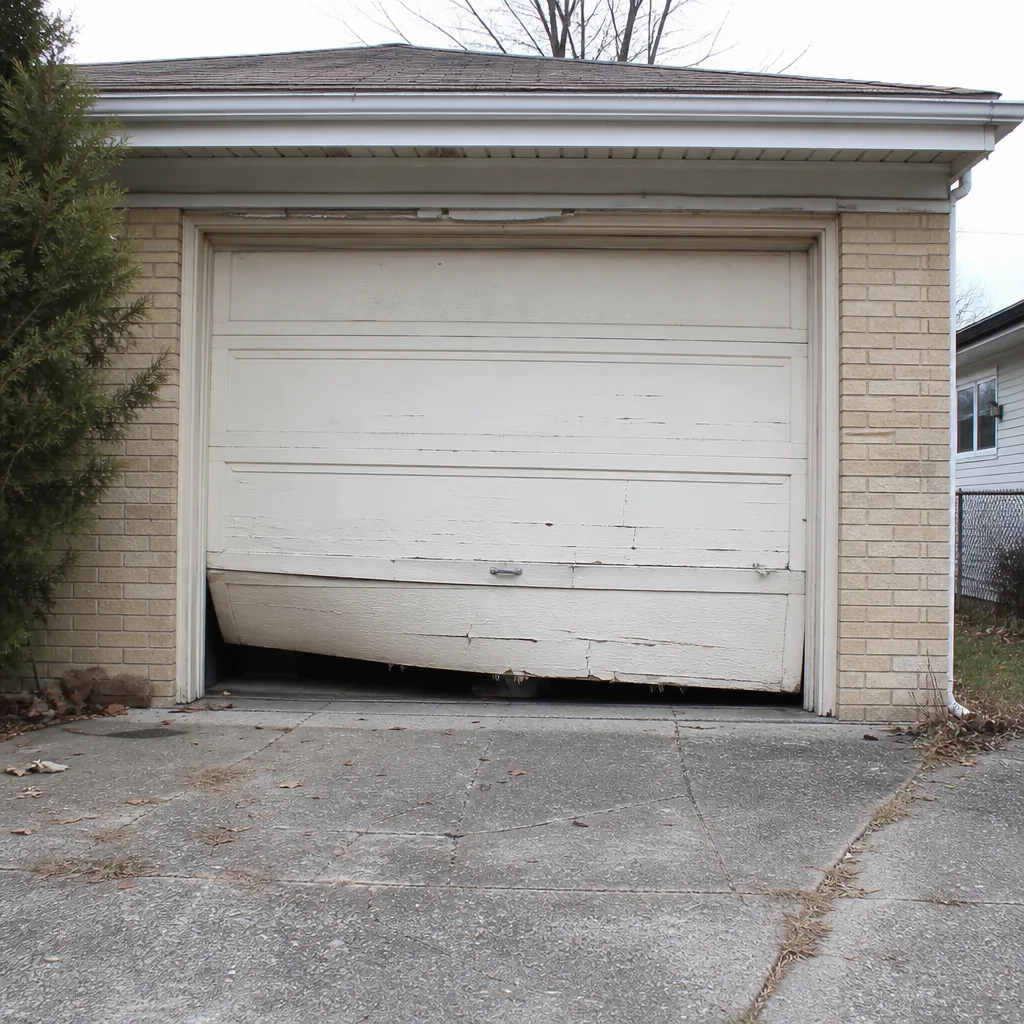 Before
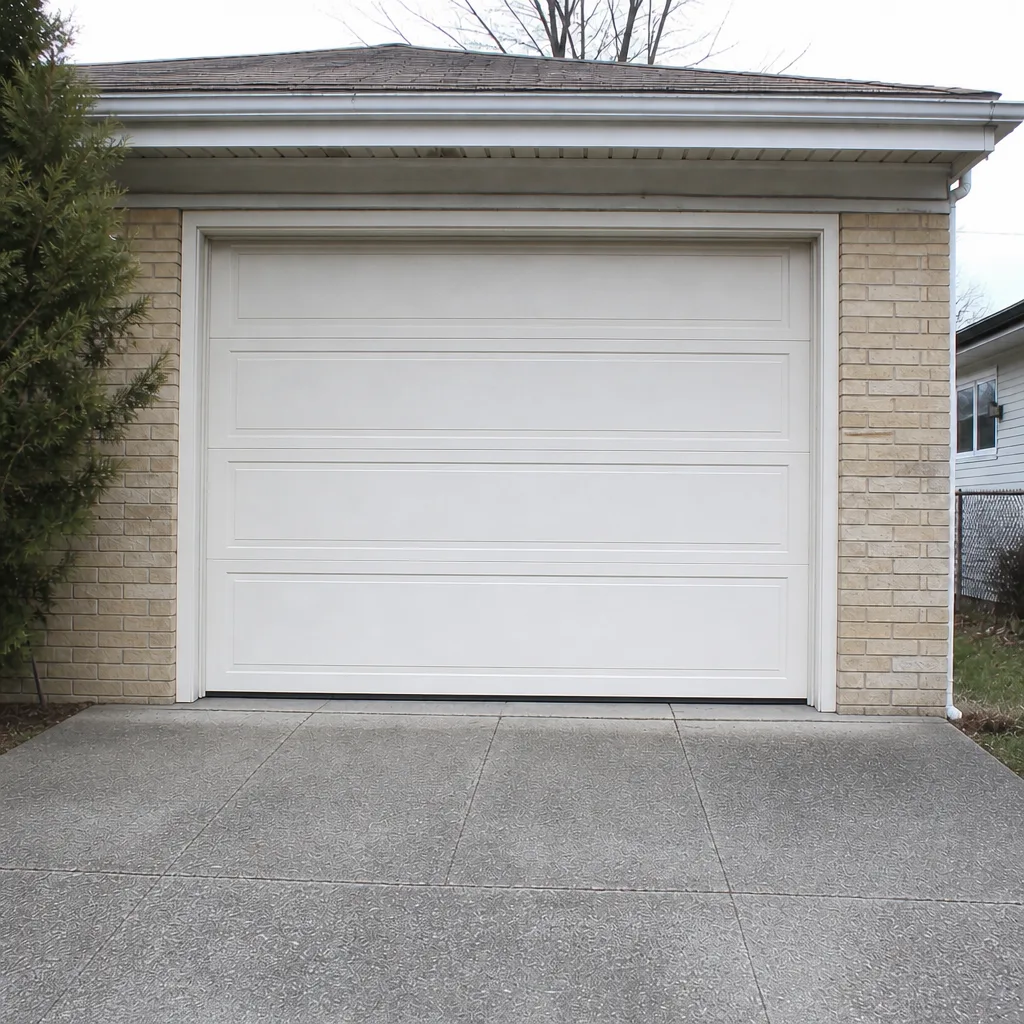 After
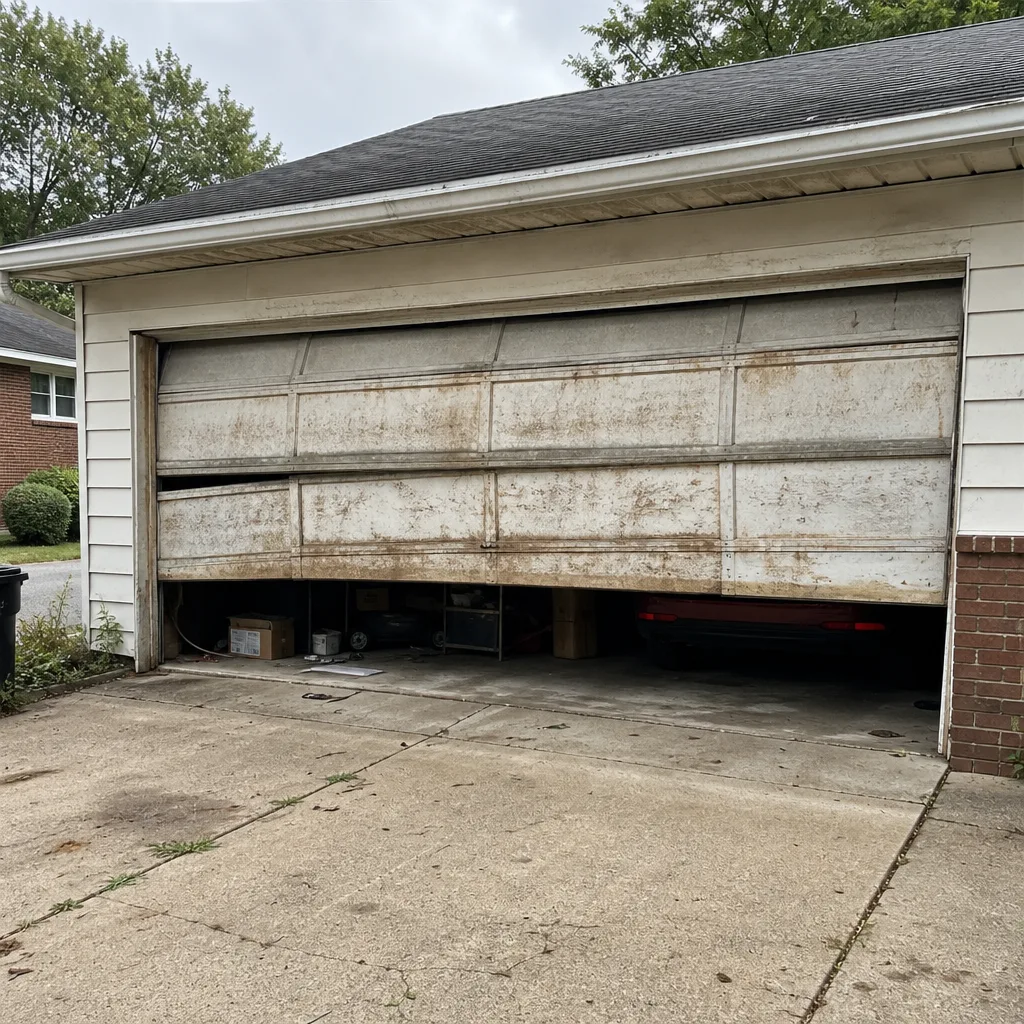 Before
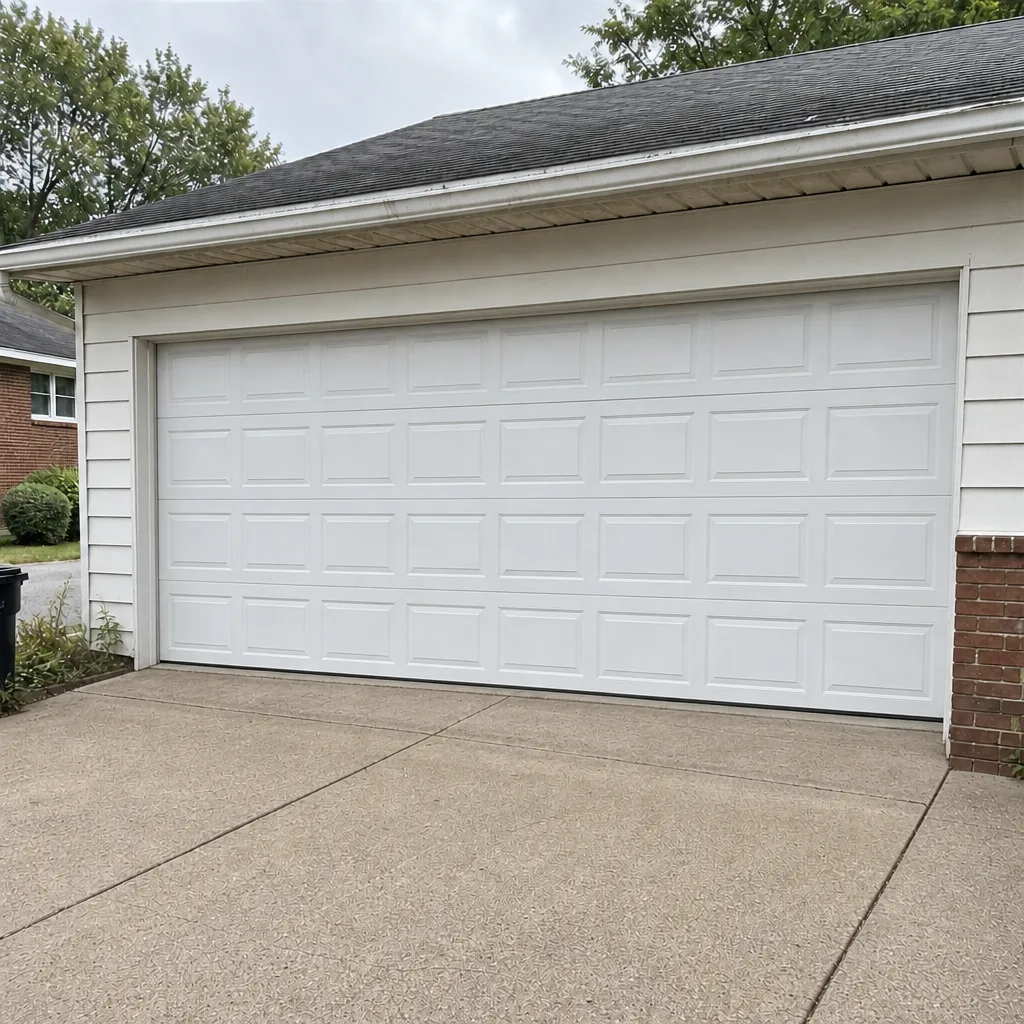 After
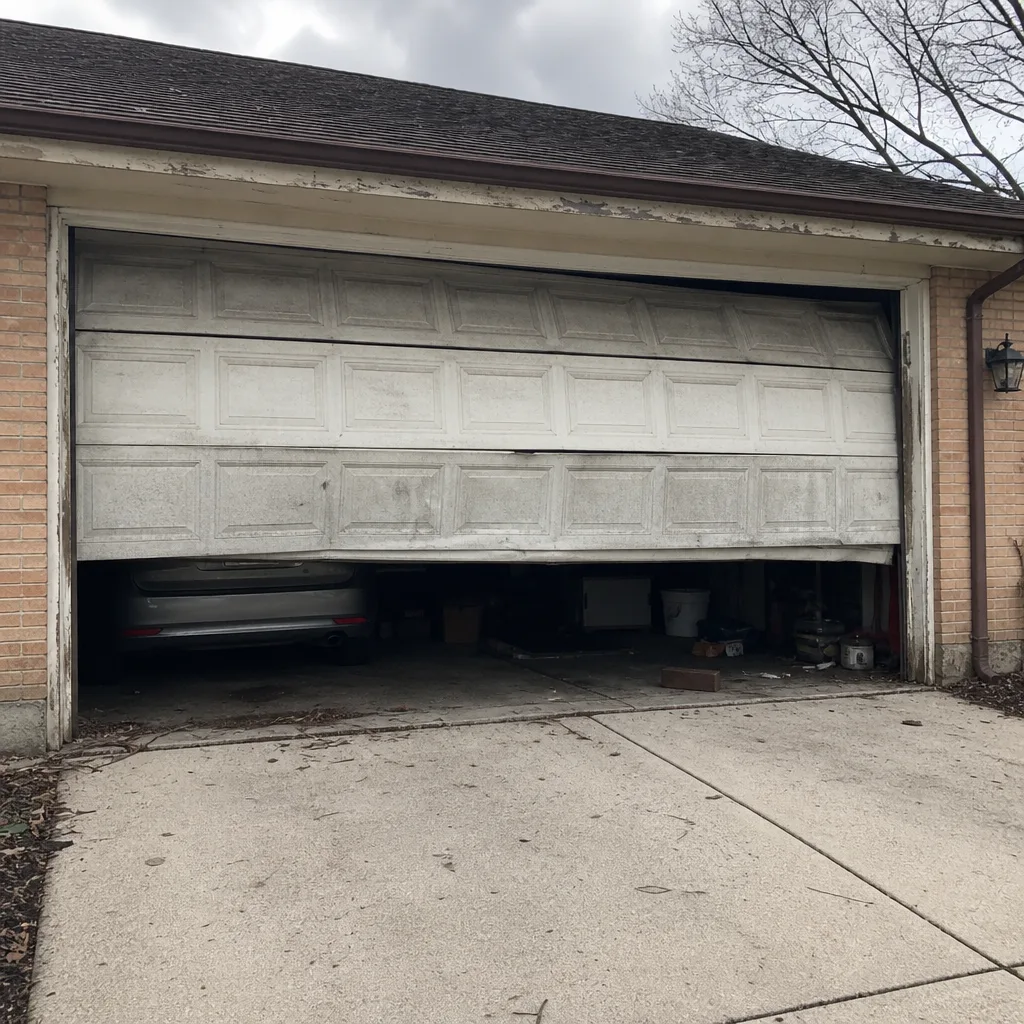 Before
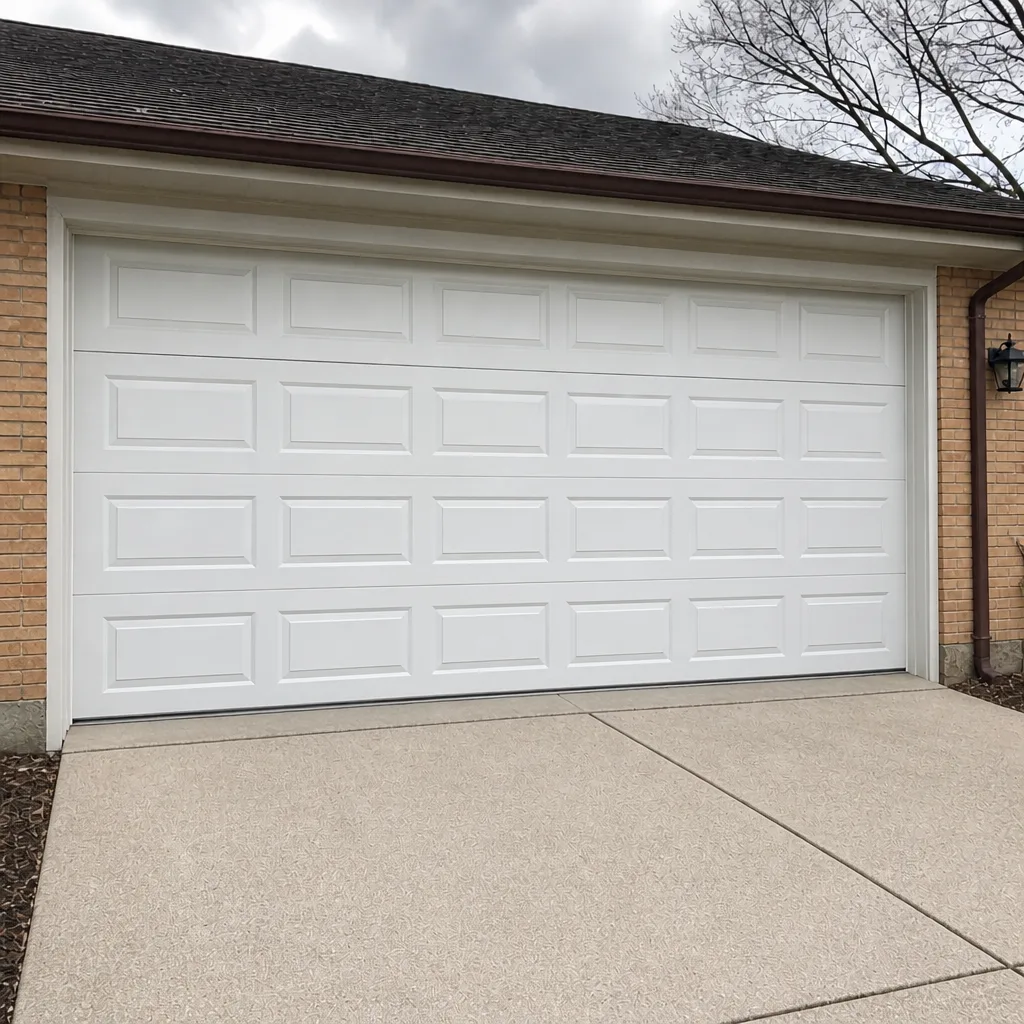 After
When to Call a Professional
Call a garage door professional when the door is out of balance, when you see visible spring wear, when the opener is straining, when the door sticks at a specific point, when anything about the door feels unsafe, and when a summer panel gap doesn’t close after re-balancing. Garage Door Repair Mount Greenwood offers free estimates in Mount Greenwood – call (855) 914-9447. We answer 24/7. Fast dispatch from 7am to 7pm, Sunday through Friday. Whether it’s a fall service call, winter ice-check, spring frame inspection, or summer re-balance, we’d rather spend 30 minutes in October than have you call us in February with a broken door.
Frequently Asked Questions
Late October is the best time, before the first hard freeze. A fall service call sets the spring tension for cold weather, cleans and lubricates the tracks, and tests the opener before it has to work against winter conditions. Service done in March means the door spent the toughest season already out of balance.
Cold reduces ductility in spring steel, so a spring already near the end of its service life can fail under a load it would carry easily in warm weather. Mount Greenwood’s hard freezes and wind chills push this further. The failure is predictable, not random, and a fall inspection catches the springs most likely to fail.
In March in Mount Greenwood, it’s often the frame. The freeze-thaw cycle can shift the door opening, and the door then rubs against a frame or track that moved over the winter. A sticking door should be inspected by a professional to tell the difference between frame movement and a hardware issue – the fix is different for each.
Summer heat expands steel and vinyl door panels and the track. That expansion changes the door’s running geometry, which can open a gap where there wasn’t one. Unless the weatherstripping is actually worn, the fix is re-balancing the door, not replacing the seal.
It checks for ice forming in the seams where the track sections bolt together and where the brackets mount. Meltwater gets in during the day, freezes overnight, and creates resistance the opener has to overcome. If the door slows, groans, or lags at the top of travel on a cold morning, ice in a track seam is a common cause.
No. Garage door springs are under high tension and store enough energy to cause serious injury. Adjustment, replacement, and any work on the winding cones should be done by a trained technician with the right tools. A homeowner can inspect visibly and listen for sounds, but spring work is not a safe do-it-yourself task.
The Bottom Line
Mount Greenwood’s specific seasonal swing creates a predictable pattern of garage door stress, and the homeowner who works with that pattern gets far more life out of their door and opener. Fall is the right time to adjust spring tension, because spring steel needs to be set correctly before it gets cold. The winter ice check protects the opener from overworking against a bound track. Spring frame inspection catches the sticking that isn’t hardware. Summer re-balancing closes the panel gaps that new weatherstripping can’t fix. One annual service call in October catches every component before the hardest season hits. If you want a specialist to map that pattern out on your actual door, call (855) 914-9447 for a free estimate. We answer 24/7. Fast dispatch from 7am to 7pm, Sunday through Friday. Whether you need garage door repair, garage door opener repair, or garage door installation, the goal is a door that works the way it should, all year.
Written by the team at Garage Door Repair Mount Greenwood.