
Last updated November 21, 2026
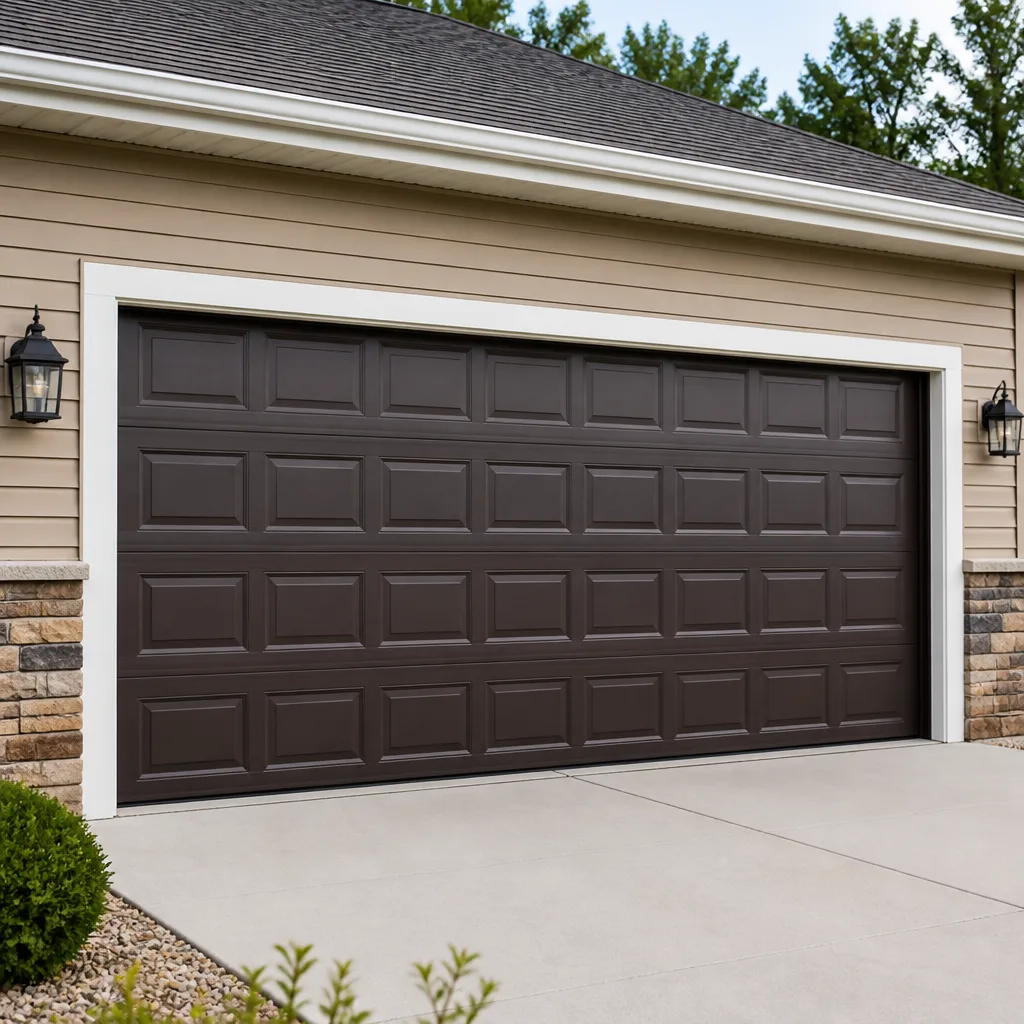 Raised-panel steel
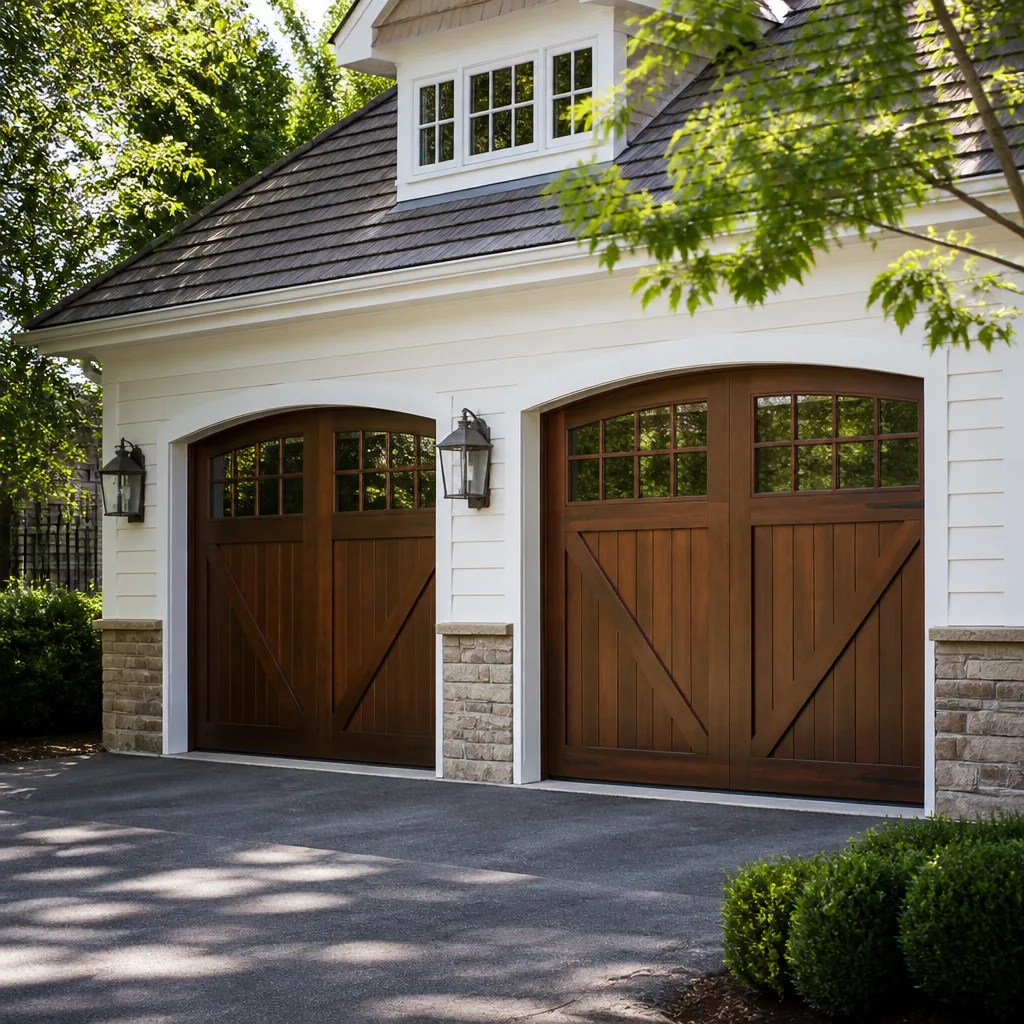 Carriage house
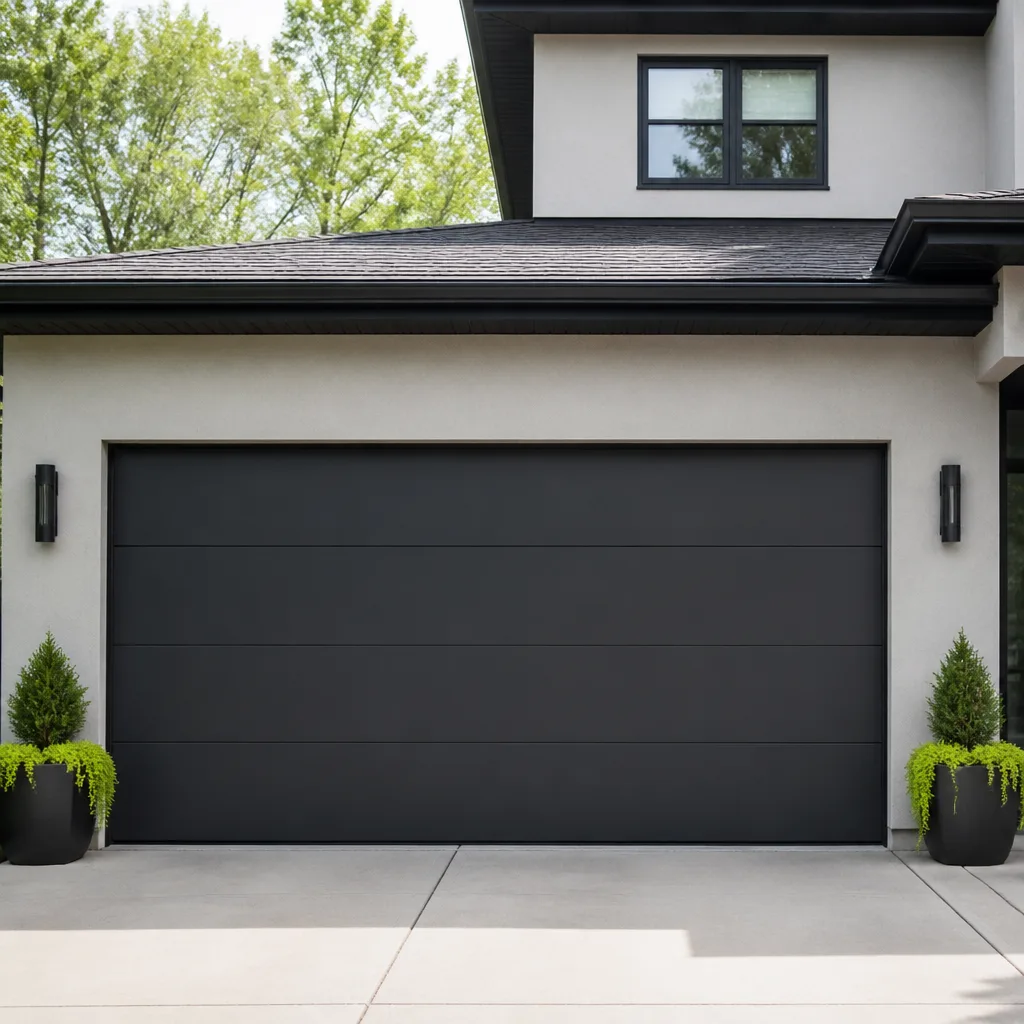 Modern flush
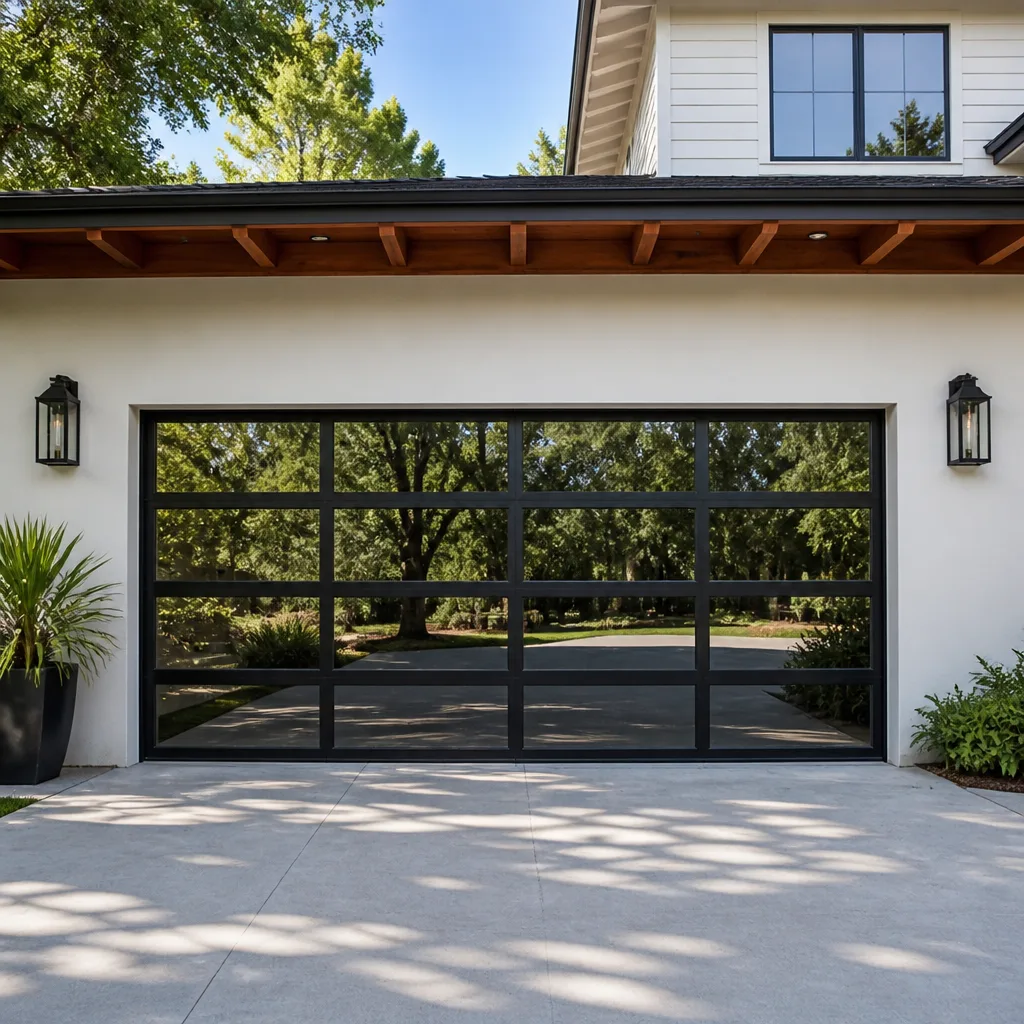 Full-view glass
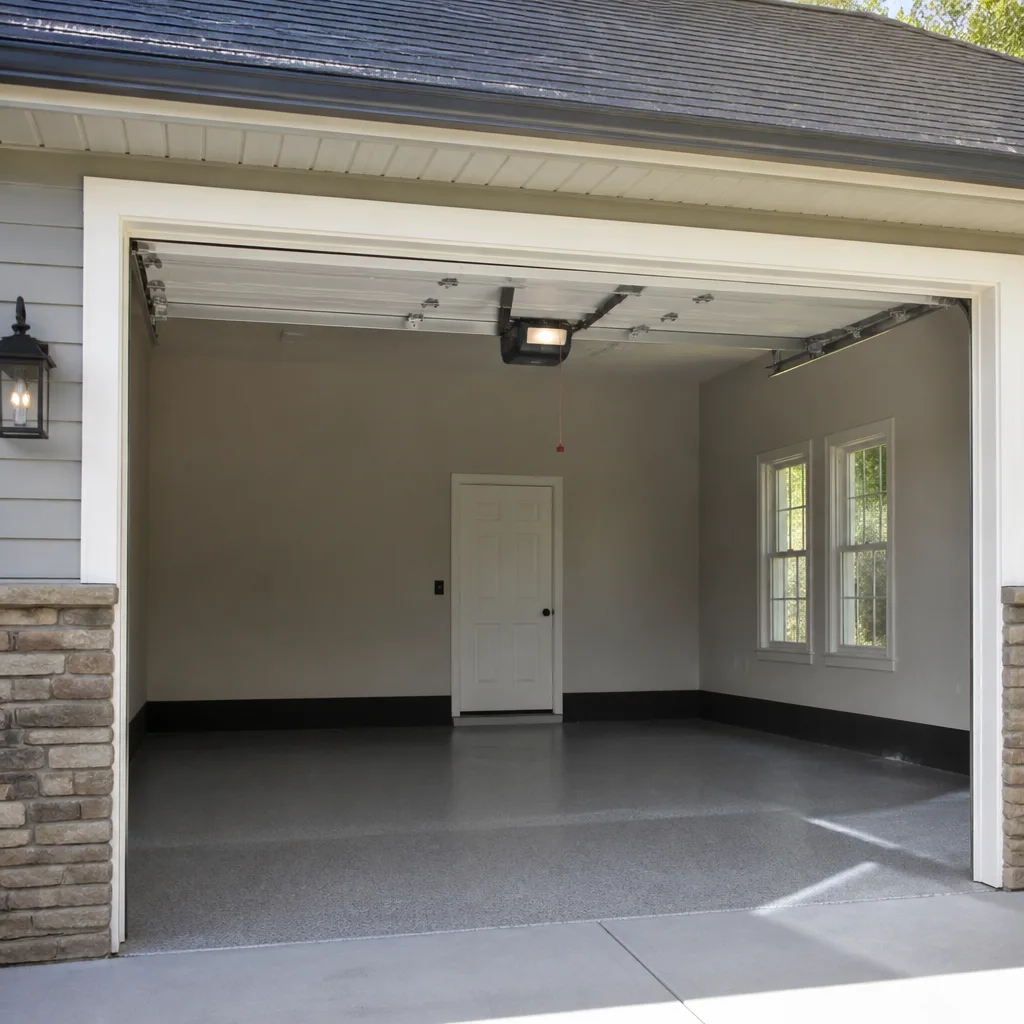 LiftMaster openers
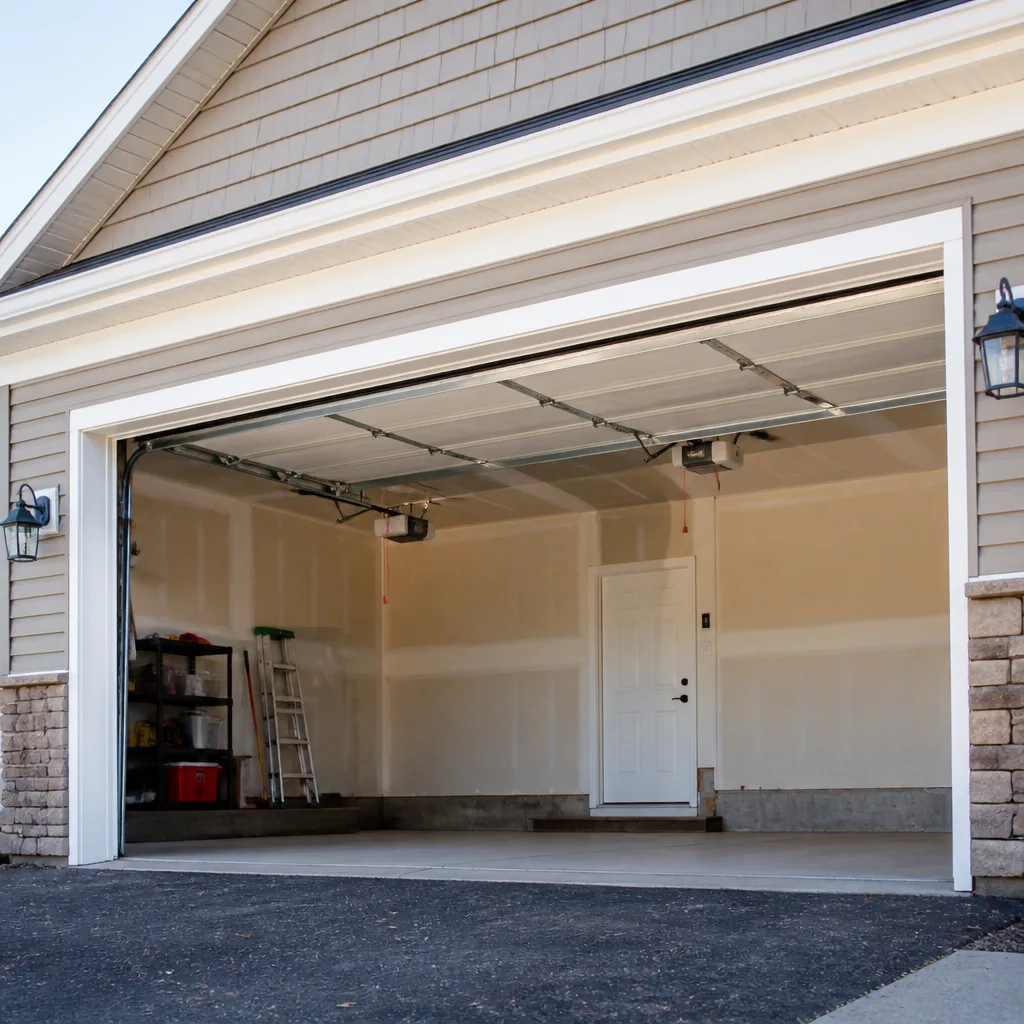 Chamberlain openers
Full 25-point door and opener safety check with every visit - springs, cables, rollers, tracks, and your LiftMaster or Chamberlain opener included
You get a price before we start. It does not change when the pro arrives.
Get your free estimateDIY vs Professional Garage Door: The Mount Greenwood Homeowner’s Decision Guide
Most homeowners who search “should I fix my garage door myself” are asking the wrong question. Garage door repair isn’t one job with one difficulty setting; it’s a stack of very different tasks, and the do-it-yourself line doesn’t fall at the level of the whole door. It falls at the component. Swapping a weather seal and adjusting a photo-eye are reasonable weekend projects. Winding a torsion spring is a different category of thing entirely. In this guide we break the door down part by part, explain which tasks carry acceptable risk for a homeowner, which ones don’t, and how to tell which spring system you actually have before you touch anything. If you live in Mount Greenwood, that last detail matters more than you’d think.
Quick Answer
Some garage door work is genuinely homeowner-friendly: weatherstripping, lubrication, sensor alignment, remote reprogramming, and a careful visual inspection. Spring repair, cable replacement, bottom bracket work, and any job that requires loosening the hardware holding the door’s weight are not. A torsion spring stores enough energy to cause serious injury the moment it’s handled wrong, so that work belongs with a trained technician, full stop. For everything in the middle, this guide breaks down each task by risk, cost, and whether the effort actually saves you anything.
Styles & brands we work with
- Raised-panel steel
- Carriage house
- Modern flush
- Full-view glass
- LiftMaster openers
- Chamberlain openers
Table of Contents
- Why the DIY Line Is Set by Physics, Not Confidence
- The Component-Level Breakdown
- Springs: Why Torsion Work Is a Different Category
- How to Tell If You Have Torsion or Extension Springs
- DIY Opener Installation vs Professional
- When a “Quick Fix” Creates a New Hazard
- What Professional Service Looks Like
- When to Call a Professional
Why the DIY Line Is Set by Physics, Not Confidence
A torsion spring is a coiled steel bar under tremendous rotational force. Twist it thirty times on a standard residential door and you’ve loaded a serious amount of stored energy into a piece of metal roughly the thickness of a broom handle. That energy is what lifts the door. It’s also what comes back out, all at once, if something goes wrong.
The numbers behind this aren’t meant to scare anyone. They’re meant to calibrate. A wound torsion spring can release its stored force in a fraction of a second. The winding bar, if it slips, doesn’t announce itself first. The lift cables attached to the spring assembly snap taut. The door, suddenly unsupported, drops. You don’t get a warning. You get a single event.
That’s why this guide sits where it does. The question isn’t whether you’re handy. Plenty of homeowners who change their own oil or finish their own basements are capable of careful work. The question is whether the specific task has an acceptable margin for human error. Weatherstripping does. A torsion spring does not.
In Mount Greenwood, this distinction comes up constantly because the housing stock is full of doors built for the long haul. Many homes here run doors that are decades old, still working, still on their original spring systems. The door itself might be in decent shape. The springs are wound tight. Nothing about a sturdy-looking door tells you which parts inside it have aged.
The Component-Level Breakdown
Here’s the line, drawn precisely. We separate the door into tasks a homeowner can reasonably take on and tasks that belong with a technician. Read both columns before you decide a job is “just a repair.”
Tasks within the homeowner’s control
- Weatherstripping replacement. The seal along the bottom edge or around the perimeter is a straightforward swap. It doesn’t hold the door’s weight and there’s no tension involved.
- Lubrication. A small amount of garage door lubricant on hinges, rollers, and tracks keeps things quiet and smooth. It’s maintenance, not a repair.
- Photo-eye sensor alignment. If the door reverses immediately after closing, the safety sensors near the floor likely need to be re-aimed or the lens cleaned. That’s a genuine homeowner task.
- Remote and keypad reprogramming. Most remotes on LiftMaster and Chamberlain openers can be re-paired with the manual, and the procedure is a few button presses.
- Visual inspection. You can and should look at the springs, cables, rollers, and hinges periodically. Noticing a problem early is different from fixing it.
- Track wiping. Cleaning dirt and paint overspray from the tracks with a damp cloth keeps the door traveling freely.
Tasks that belong with a technician
- Torsion or extension spring adjustment and replacement. The spring system is the most dangerous component on the door. It’s also the one most often misjudged by homeowners.
- Lift cable replacement. Cables are under constant tension from the spring system. A cable isn’t a wire you can just swap in.
- Bottom bracket work. The bottom corner brackets anchor the cables. They’re loaded even when the door is down.
- Center bearing plate replacement. This involves the torsion shaft and the wound spring assembly.
- Panel straightening or replacement. Usually needs a professional to reset the door’s geometry safely.
- Opener motor or gear replacement (some cases). Diagnostics require knowing the brand and the platform, and the unit often has to come down.
- Full door replacement. Structural, measured, and scheduled.
Springs: Why Torsion Work Is a Different Category
We’ve said this once and we’ll say it again because it’s the heart of the guide: the reason spring work isn’t DIY has nothing to do with your competence. It has to do with what happens in the tenths of a second between “everything is fine” and “something went wrong.”
A wound torsion spring is held by two winding bars and a set of set screws. The technician winds it by turning a bar, one quarter turn at a time, until the door balances. Then they lock it in place. If a bar slips during winding or unwinding, the stored energy does not wait politely for a second attempt. It releases.
A loaded firearm is often used as a comparison for this. It’s not an exaggeration. A 200 lb. torsion spring under thirty turns of wind carries stored energy that can be released almost instantly if it’s mishandled. The comparison isn’t meant to make you afraid of your garage door, which sits safely wound day after day doing exactly what it’s meant to. It’s meant to make the risk legible.
Extension springs, which are a different design entirely, carry their own hazards. Older versions used to be considered safer because they operate at lower tension along a horizontal run. But a snapped extension spring whips toward the door’s track at the moment of failure. Modern extension springs include safety cables to contain the whip, and if your door doesn’t have those cables, the risk is higher than it looks.
In Mount Greenwood, we see both systems. Craftsman and other older installed doors often run extension springs on the sides. Newer installs frequently use torsion springs above the door. Knowing which one you have, before you call anyone, puts you in a much better position to ask the right questions.
How to Tell If You Have Torsion or Extension Springs
Step outside and look up at your closed garage door. The answer takes about ten seconds. This section is a step-by-step look, not instruction to touch anything. A trained technician should handle any adjustment, replacement, or work near the springs.
- Look at the top of the door, above the panels. If you see a thick horizontal metal shaft running the width of the door with a coiled spring around it, you have a torsion spring system.
- If instead you see springs running along the sides of the door, stretched out horizontally from the rear corner brackets, you have extension springs.
- Note the door’s weight. If the door feels unusually heavy when you lift it by hand (with the door disconnected, which many homeowners won’t be comfortable doing), it may signal spring or cable wear. A trained professional can check this safely.
- Count the springs. Some doors carry one torsion spring; others carry two side by side. Two springs is common on heavier or wider doors, and the pair is often replaced together.
- Inspect for visible signs. Gaps in the spring coil, sagging cables, or a door that stops lifting halfway are all signs the system needs professional attention. Do not attempt to correct them yourself.
Why it matters: the risk calculus changes based on which system you have. Torsion springs hold far more energy per winding turn and are the category most associated with emergency room visits when handled wrongly. Extension springs are less intense but carry the snap-back hazard. Either way, the answer that follows is the same: this is work for a technician.
If you’re not sure what you’re looking at, that’s normal. The team at Garage Door Repair Mount Greenwood identifies the spring system during the estimate and tells you which work it needs and why, before anything starts.
DIY Opener Installation vs Professional
Opener installation is where homeowners are most likely to try to save money, and it’s one of the cases where the savings math is closest. A new opener usually costs less than an installed unit because the labor is folded in. But the savings come with strings.
The real costs of a DIY opener install:
- Time. A first-time opener installation on a typical two-car door is an afternoon-plus job for someone who’s never done one. It also assumes all the existing wiring, brackets, and mounts cooperate.
- Parts and accessories. Not every new opener ships with the right rail length, mounting hardware, or interface with your existing door. That often means a second trip.
- Warranty risk. Most opener warranties specify professional installation. A self-installed unit can void coverage if the motor or logic board fails.
- Permit considerations. Some municipalities require permits for electrical work or new opener installs. Mount Greenwood is inside Chicago, and the city’s building department sets the rules. Contact them to confirm what your install requires before you start. We won’t tell you what they’ll say.
- Force and safety settings. The opener’s safety reverse must be calibrated to the door’s weight and travel. A mis-calibrated unit fails its own safety test, which is the whole reason the sensor exists.
That last item is where DIY installs most often go wrong. The door opens and closes on command, so it looks fine, but the safety reverse trips too late or not at all. It’s not a matter of carelessness. It’s that force settings are calibrated by hand against a weight and travel spec, and getting them right requires knowing the door.
If you already have an opener and just need it serviced, that’s a different job. garage door opener repair is diagnostic work: identifying whether the unit itself, the remote, the logic board, or the door’s balance is the actual problem. Replacing the whole opener to fix a tired motor is often unnecessary.
When a “Quick Fix” Creates a New Hazard
We’ve noticed a specific pattern on some arrival calls: a homeowner tried to fix a loose cable or a squeaky bottom bracket and ended up creating a safety issue the door didn’t have before. This section isn’t about scolding anyone. It’s about naming exactly how that goes wrong, so you can avoid it.
Here’s what a “quick fix” on a cable or bottom bracket can produce:
- A cable that’s now slack when it shouldn’t be. Cables rely on the door holding its weight. Slack in one corner throws off the door’s balance.
- A bottom bracket that’s no longer under proper load. These brackets anchor the cables. Releasing or re-tightening one loosens the tension the whole door system depends on.
- A door that travels unevenly and trips the safety reverse. The door’s logic doesn’t know what changed, only that the door isn’t traveling right.
- Hardware that’s been re-tightened to the wrong torque. Some brackets have specific torque specs. Over-tightening a bolt strips the metal or warps the panel.
- Rusty or threaded hardware that’s stripped on removal. That changes the whole scope of the repair.
Technicians know what to look for. Owner-modified hardware shows up as bolts at odd angles, brackets that don’t sit flush, or a door that hangs unevenly with no obvious damage to explain it. A good technician flags it, explains what changed, and quotes the correct repair.
In Mount Greenwood, where many doors have been in place for a long time, the underlying metal has seen plenty of freeze-thaw cycles. Bolts loosen in cold, tighten in heat. That’s a normal aging pattern. It’s not what a homeowner should try to correct on a door that’s under tension.
What Professional Service Looks Like
Knowing when to call is half the question. Knowing what to expect when someone arrives is the other half. Here’s what a genuinely professional garage door service should cover on the door you already own, not the door someone wants to sell you.
Brand-specific diagnosis. Craftsman, Raynor, LiftMaster, and Chamberlain each have their own wiring conventions, remote protocols, and internal component layouts. A technician who knows the brand still has to check the unit, but they don’t start from scratch. That’s the difference between a diagnosis in one visit and a follow-up visit that exists because a part had to be identified first.
Spring repair as a service, not a referral. Spring repair requires specialized training, specific tools (winding bars, springs sized to the door’s weight and height), and a technician willing to handle high-tension hardware on every call. Some generalists decline it. We don’t. Spring work is core work.
Parts supplied, not improvised. A door that needs a new roller shouldn’t need two weeks of waiting. When a technician carries or sources the right component on the spot, the fix holds and the call doesn’t drag on.
Restore over replace. A door that’s structurally sound and has a failed spring is a repair job. A door that’s been hit by a car is a replacement conversation. The distinction matters to your wallet, and any honest technician will tell you which side of the line you’re on.
If your door needs scheduled work, garage door installation and replacement work is measured, ordered, and scheduled rather than dispatched. That’s normal for the category, and it’s why we ask for the door’s brand and rough age when you call.
When to Call a Professional
Call a technician the moment you notice any of the following, and don’t try to fix them yourself first:
- The door lifts unevenly or won’t open fully.
- You hear a loud snap or bang and the door drops partway.
- You see a visible gap in a spring coil, or a sagging cable.
- The door fails its safety reverse test (place an object in its path; the door should reverse on contact, and never attempt this while standing in the door’s path).
- An opener hums but the door doesn’t move.
- Any part of the door is under tension and you’re not sure how to release it safely.
Garage Door Repair Mount Greenwood offers free estimates in Mount Greenwood. Call (855) 914-9447. We answer 24/7. Fast dispatch from 7am to 7pm, Sunday through Friday.
See the difference
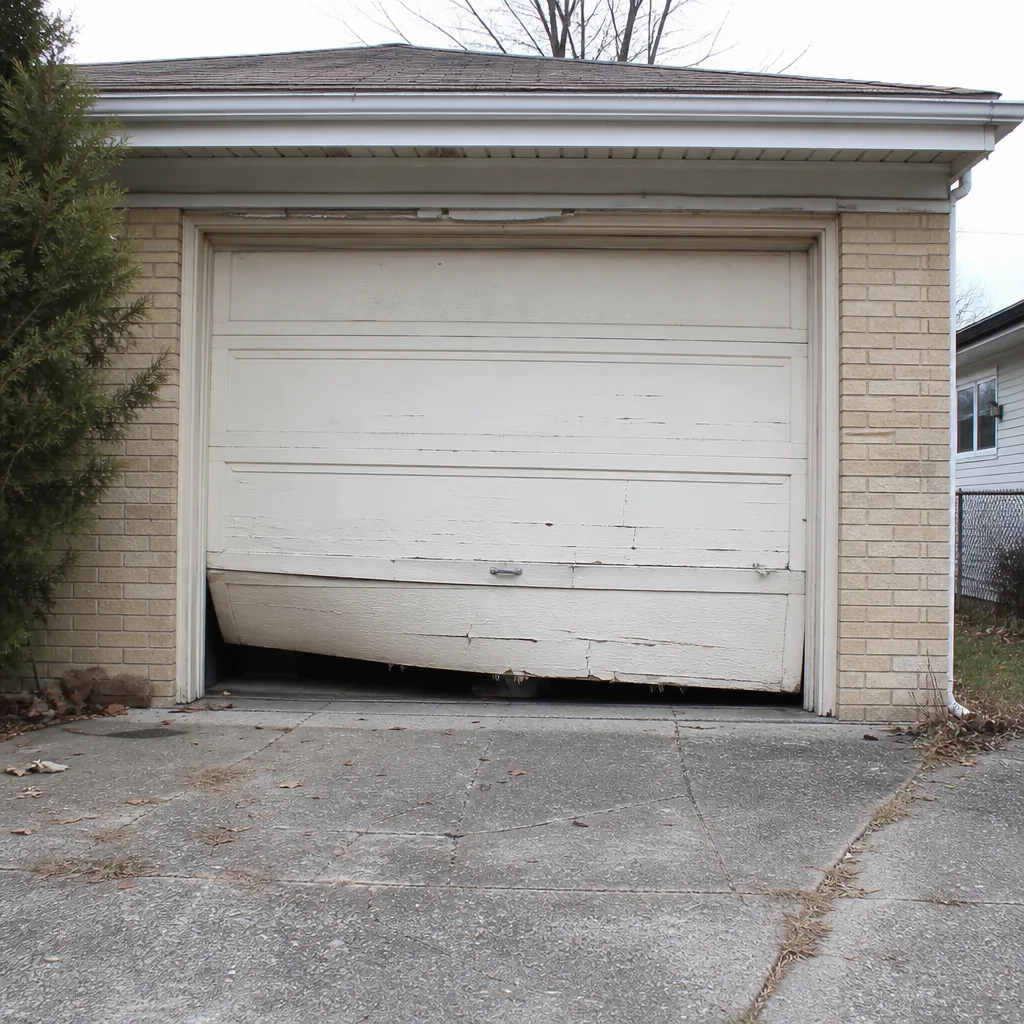 Before
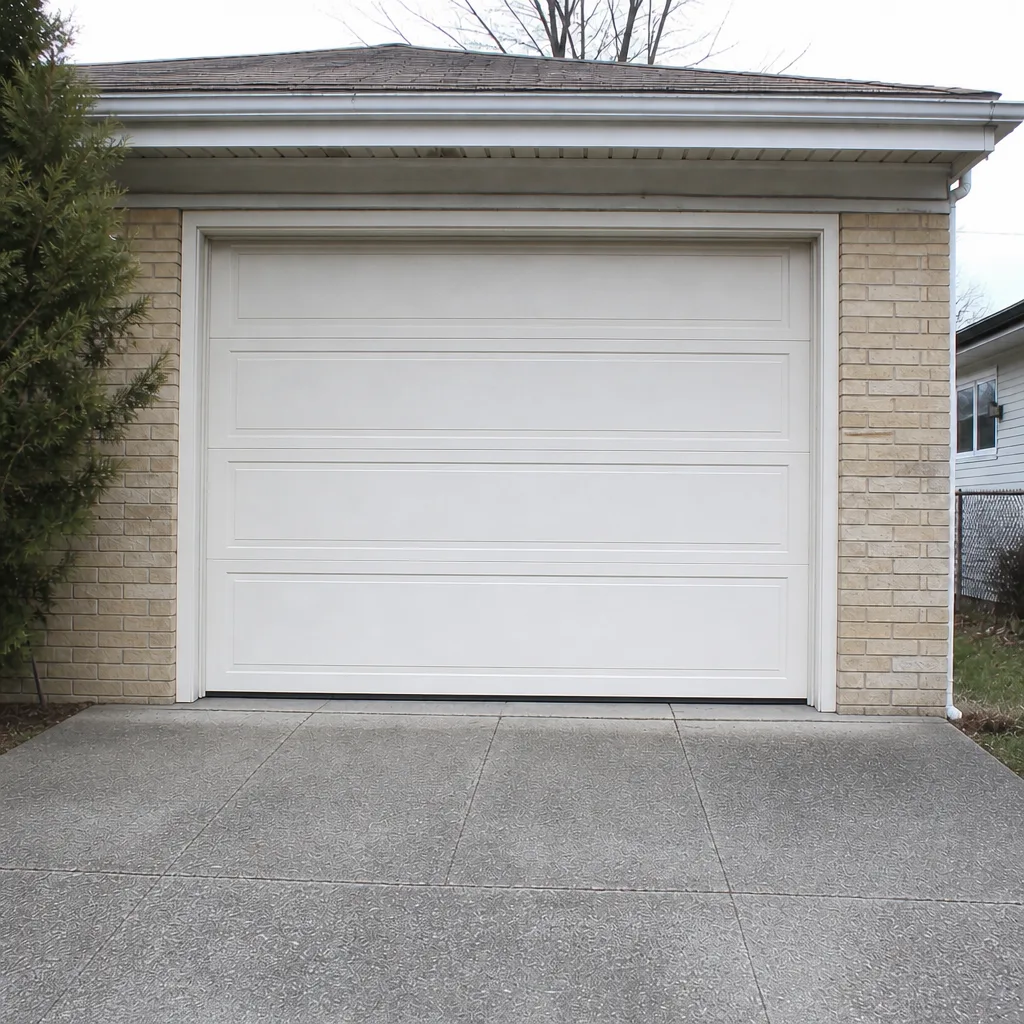 After
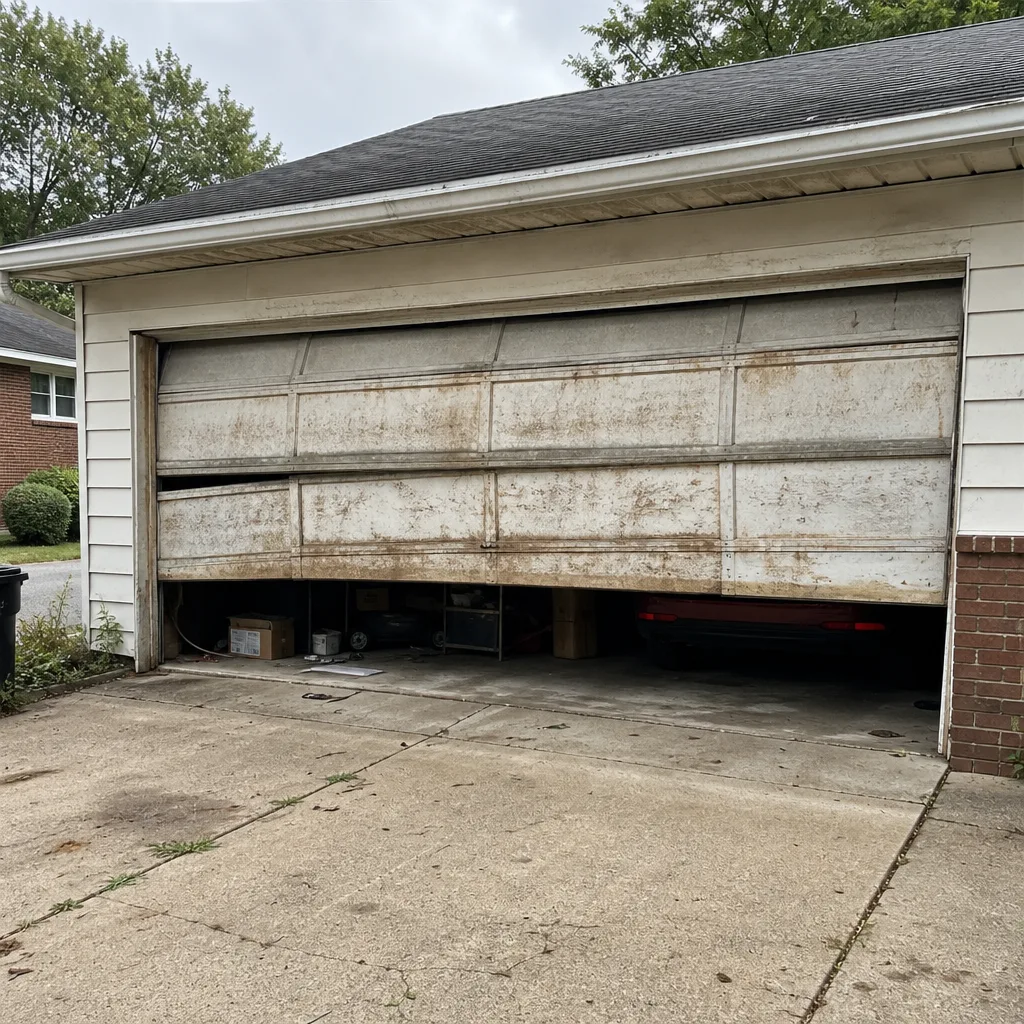 Before
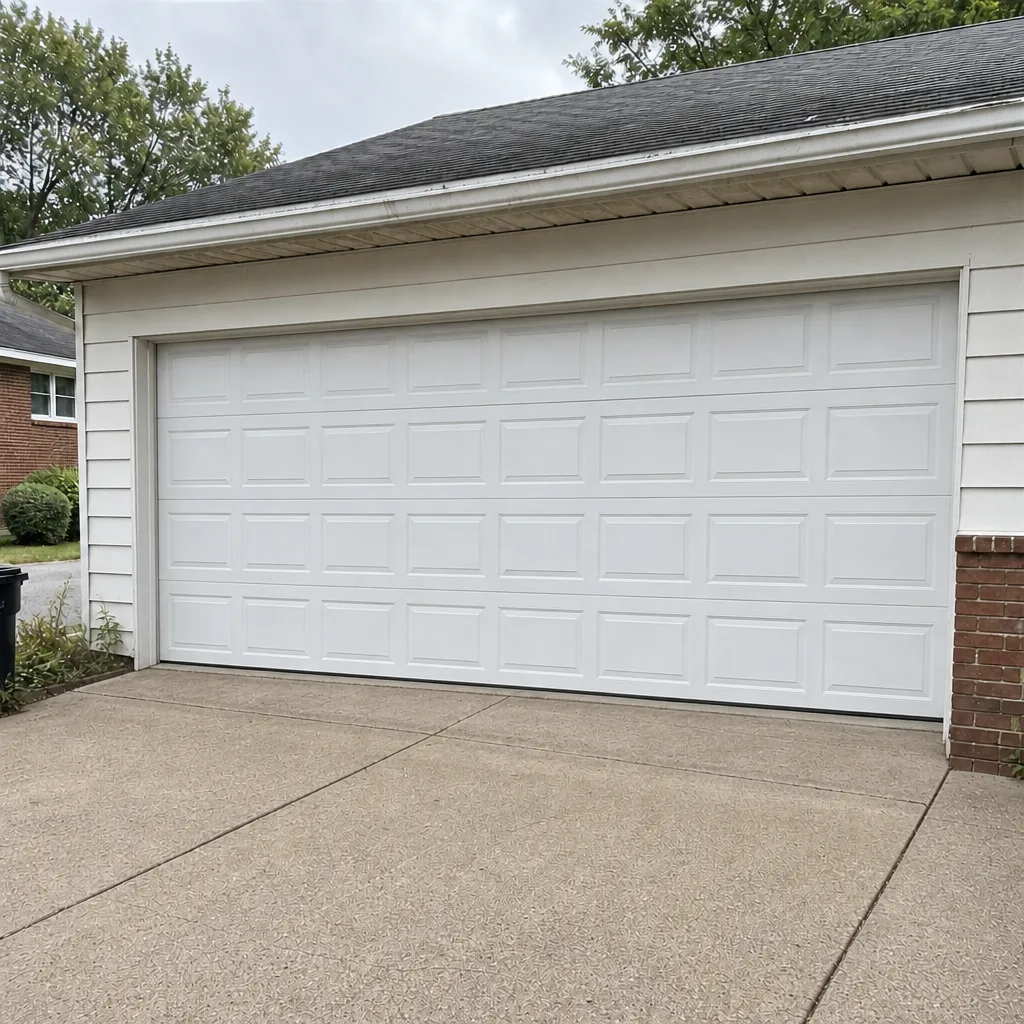 After
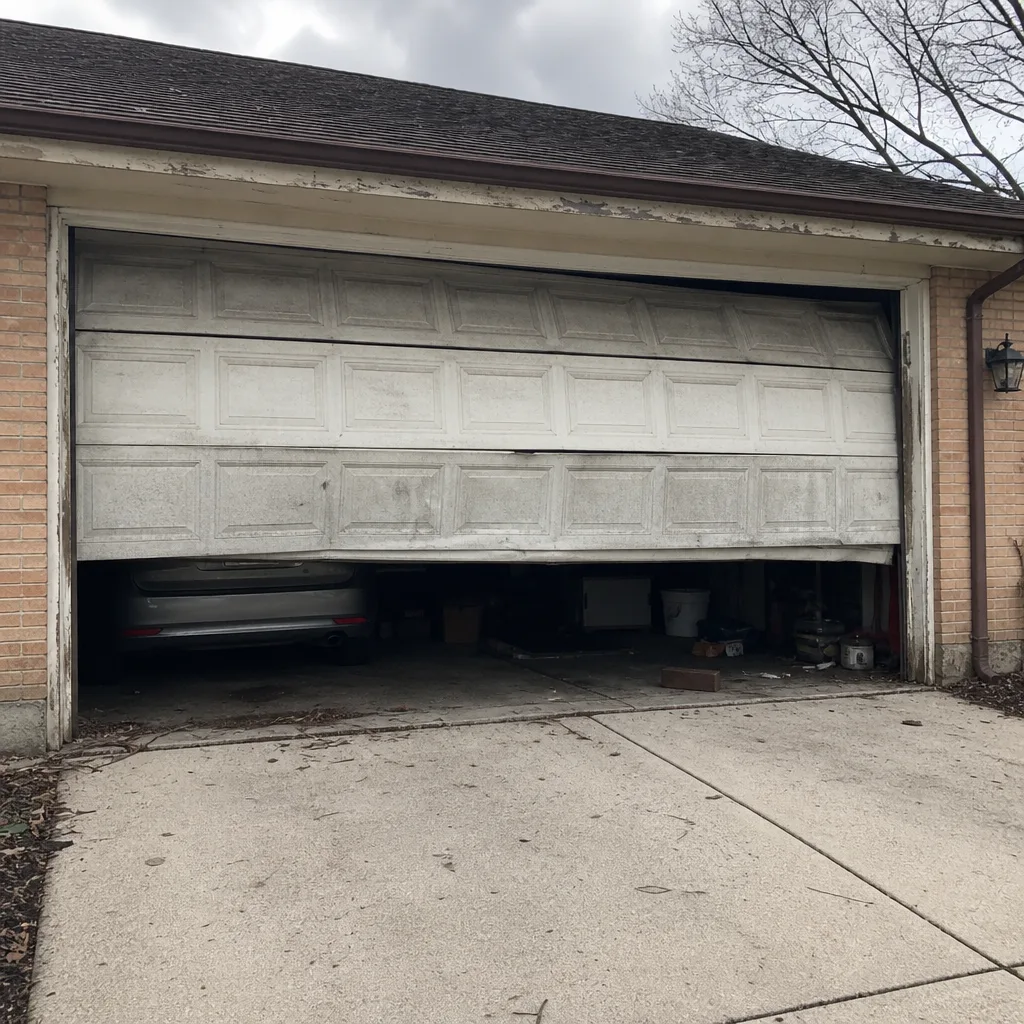 Before
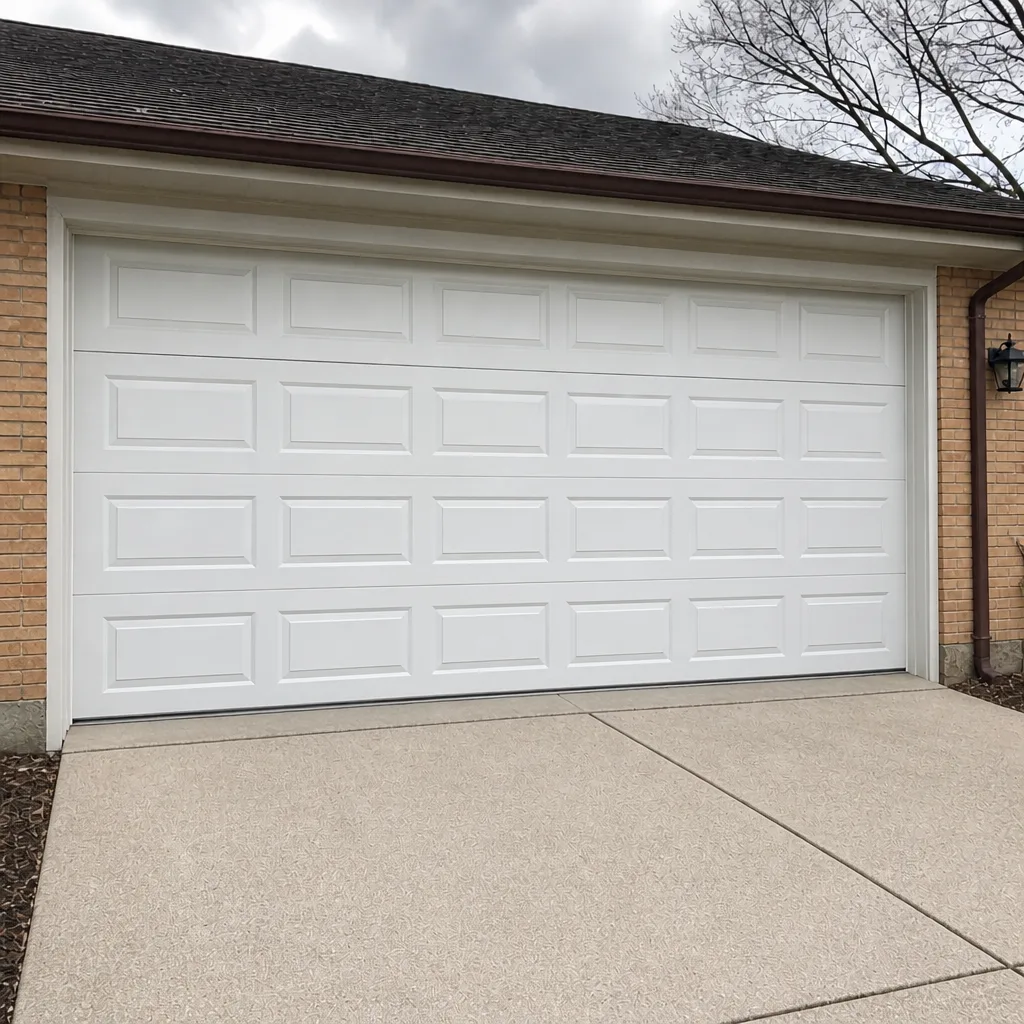 After
Common Mistakes to Avoid
- Assuming “if it opens, it’s fine.” A door can travel cleanly while its spring system is close to failure. That’s why we recommend a visual inspection after every significant cold snap. Mount Greenwood winters pull metal, and a spring that was borderline in fall can snap under the stress of a 10-degree morning.
- Trying to tighten a loose cable. Cables are loaded. The moment you release one, the door’s balance shifts under tension. This is one of the cable calls we see most.
- Buying a replacement opener before diagnosing the real problem. A door that won’t close often has a sensor, a safety reverse setting, or a balance issue, not a dead motor.
- Ignoring a bent bottom bracket. It’s the part most likely to be overlooked during a DIY repair. It’s also the part holding the cable under the door’s weight.
- Using WD-40 on tracks and hinges. It’s a solvent, not a lubricant. It dries and leaves a sticky residue. A proper garage door lubricant is a small investment that prevents a lot of noise.
- Buying a replacement panel without checking the door’s brand and color code. Clopay, Amarr, and Wayne Dalton panels come in specific profiles. A near-match looks fine until the door is in the sun.
- Trying to remove a spring with the door up. The door’s weight is the safety system that holds the spring under tension. Never remove a spring with the door raised.
Frequently Asked Questions
No. A torsion spring stores energy that can be released in a fraction of a second if a winding bar slips, so no amount of video preparation makes this safe to handle without the right training and tools. The right technician will not only carry out the repair but also verify the door is balanced afterward. Call (855) 914-9447 for a free estimate.
Spring work is quoted per job by the written estimate, and the price you’re quoted is the price you pay for that job. If a second problem turns up during the repair, the technician stops and quotes it before doing anything. Call (855) 914-9447 for an exact quote. Estimates are free.
The technician who arrives at your home is licensed and insured as the state requires. Ask for the credential on arrival if you want to see it. That’s standard practice and reasonable to request. Call (855) 914-9447 to schedule.
Yes, in most cases a Mount Greenwood call that comes in during dispatch hours is scheduled for the same day. Fast dispatch runs 7am to 7pm, Sunday through Friday, and we answer the phone 24/7. Call (855) 914-9447 and we’ll book the next available window.
Sometimes, but the savings shrink once you factor in warranty risk, permit considerations, and the time it takes to get force and safety settings right. A professional install includes the calibration and the safety test. If you’re weighing it, ask for a written quote and compare the total. Call (855) 914-9447 for an estimate.
We service LiftMaster, Chamberlain, Genie, Clopay, Amarr, Wayne Dalton, Craftsman, and Raynor. That covers both older mechanical systems (Craftsman and Wayne Dalton) and current platforms like LiftMaster and Chamberlain. Call (855) 914-9447 to confirm your brand when booking.
The Bottom Line
The DIY vs. professional line on a garage door isn’t about whether you’re handy. It’s about which specific parts of the door can come apart safely, and which ones can’t. Weatherstripping and sensor alignment are yours. Springs, cables, bottom brackets, and anything wound under tension belong with a trained technician. Our technicians have up to 10 years of experience with brand-specific diagnostics, spring work, parts sourcing, opener repair, and full installation. If you’d rather not make the call alone, garage door repair is the place to start. The estimate is free, the price is set by the written quote, and the work starts when you say it does.
Written by the team at Garage Door Repair Mount Greenwood.