
Last updated November 21, 2026
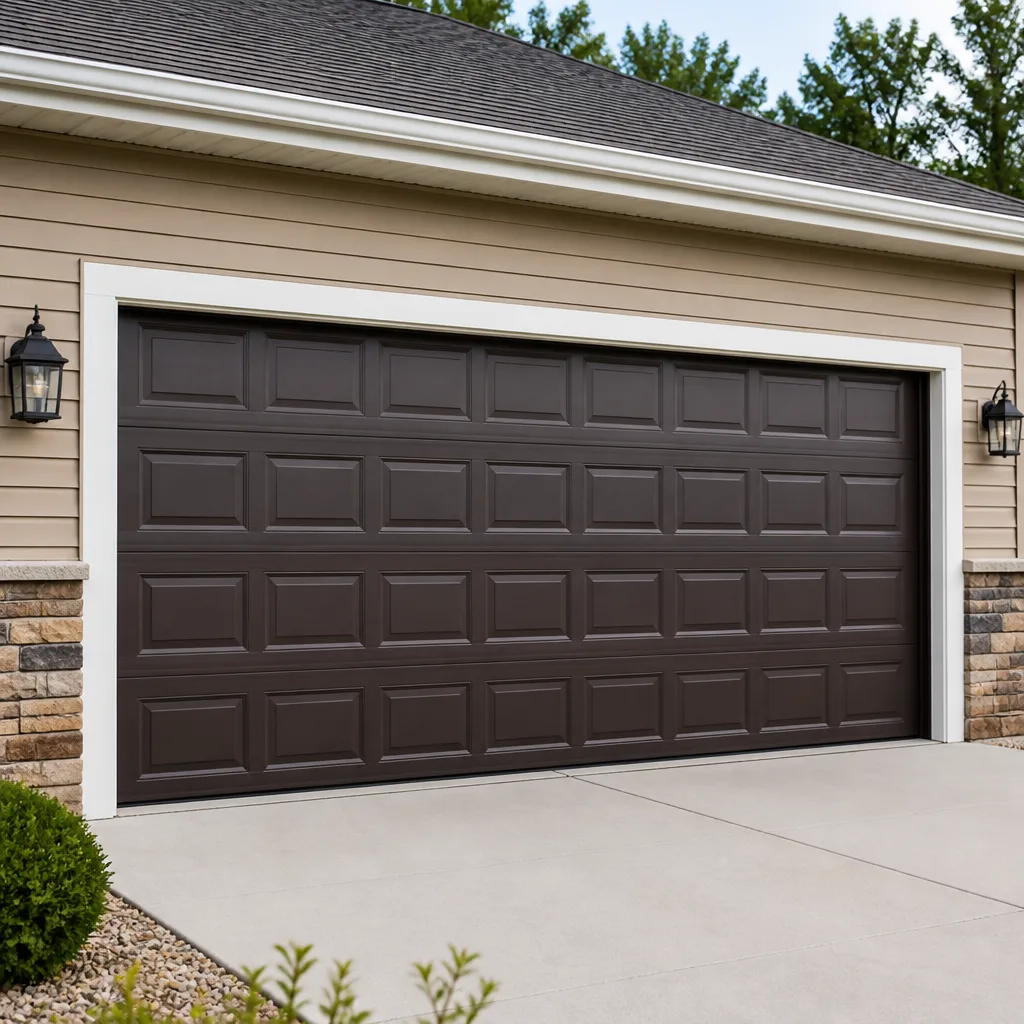 Raised-panel steel
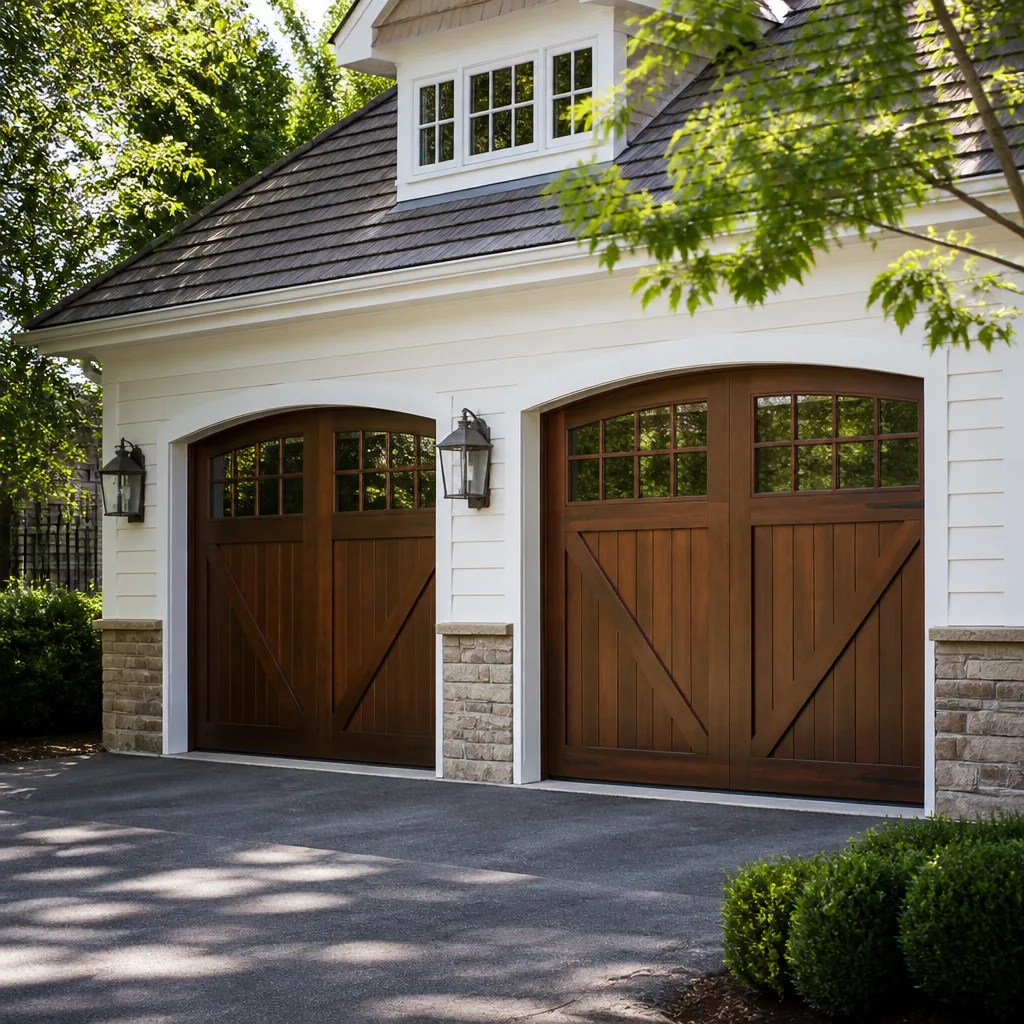 Carriage house
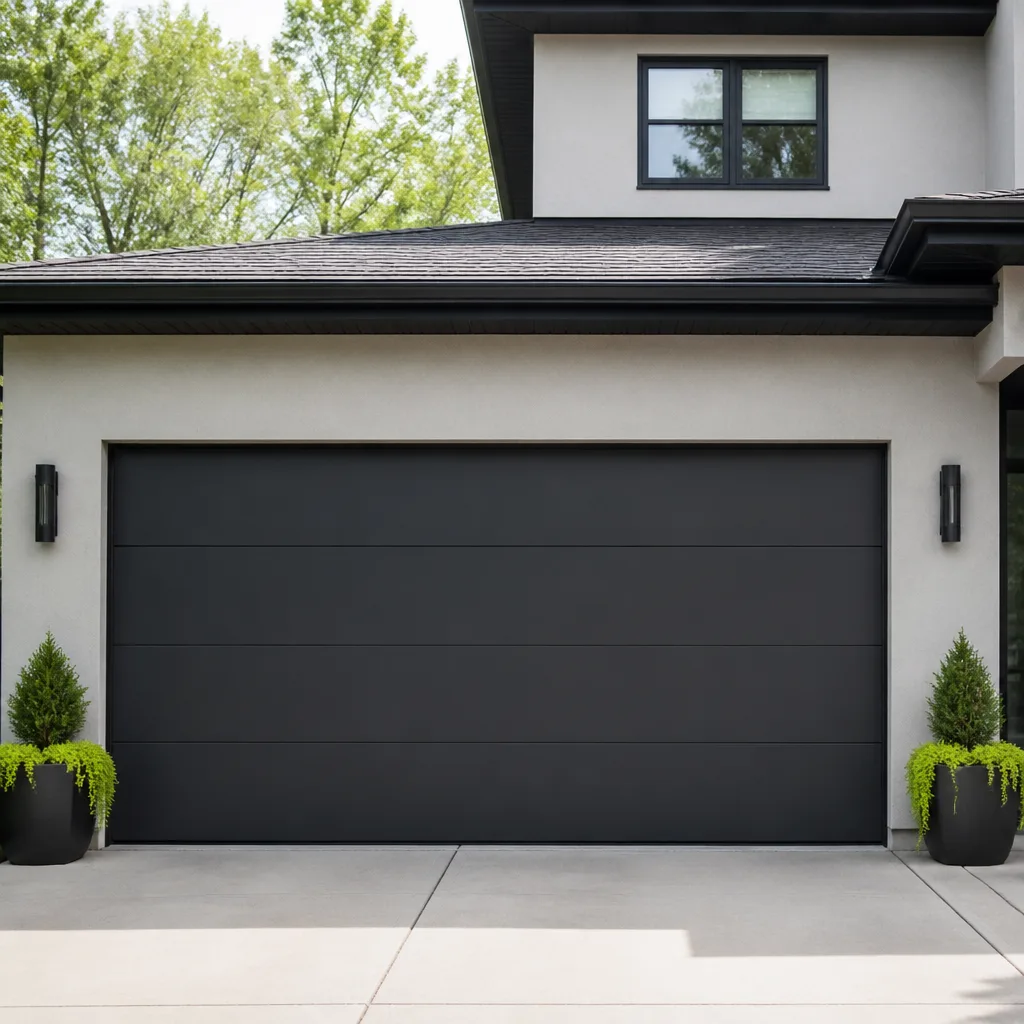 Modern flush
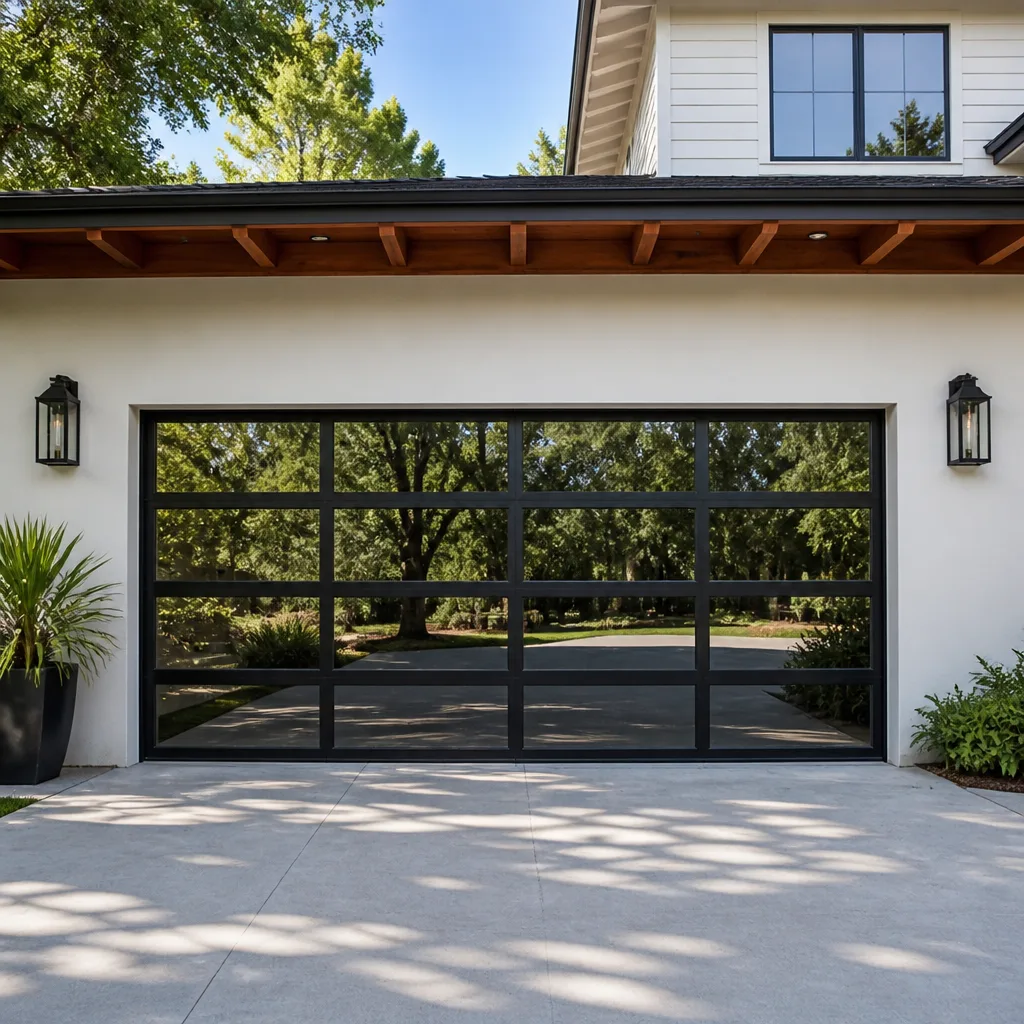 Full-view glass
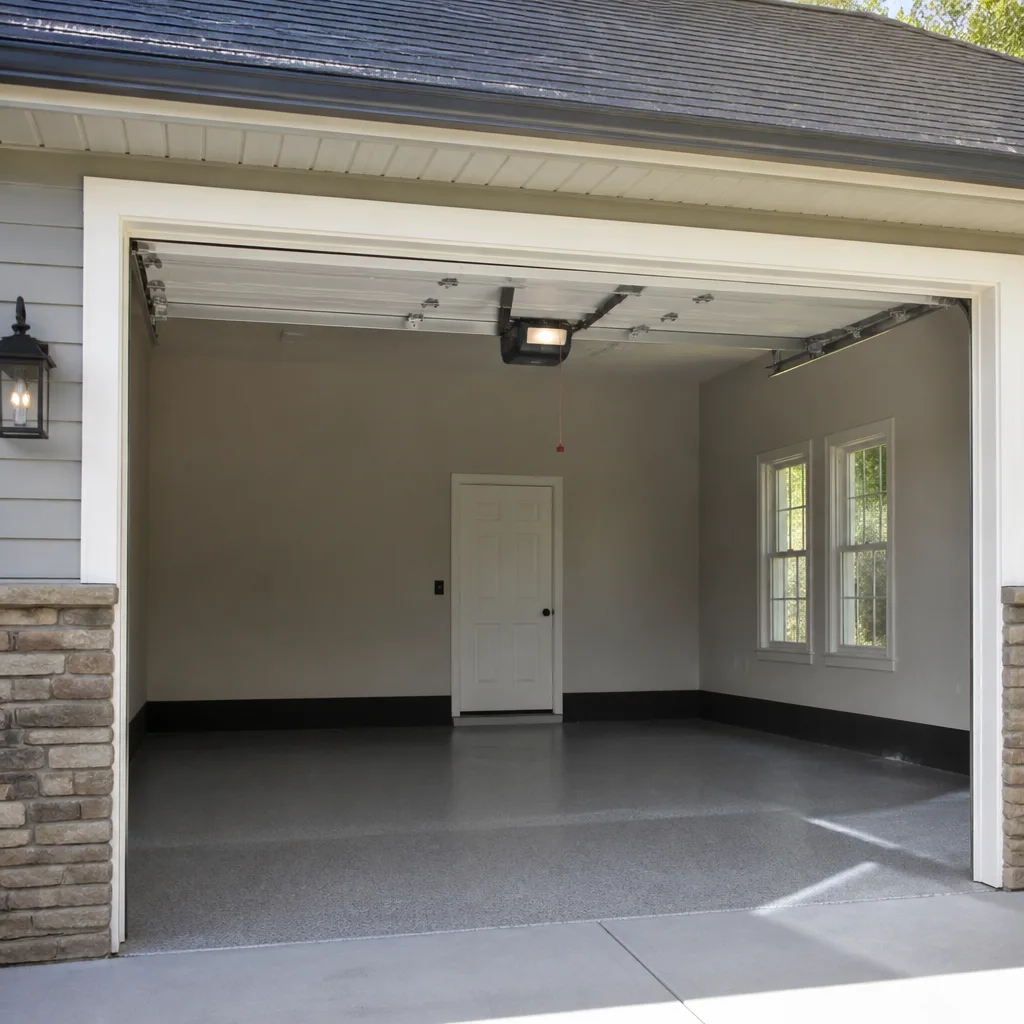 LiftMaster openers
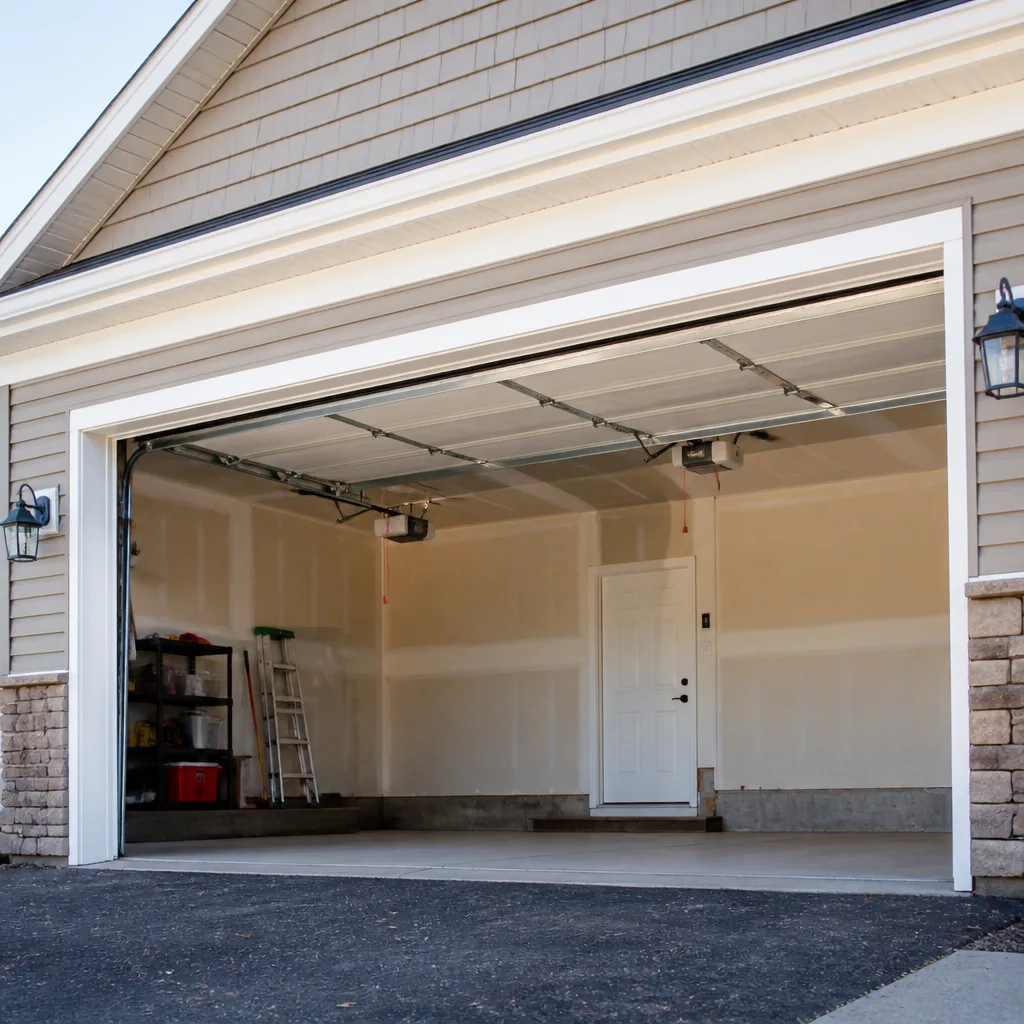 Chamberlain openers
Full 25-point door and opener safety check with every visit - springs, cables, rollers, tracks, and your LiftMaster or Chamberlain opener included
You get a price before we start. It does not change when the pro arrives.
Get your free estimateHow to Hire a Garage Door Contractor in Mount Greenwood: A Step-by-Step Guide
Illinois does not require a statewide license to replace a garage door spring. Read that again. It means anyone with a van, a wholesale account, and a working impact driver can legally knock on your door in Mount Greenwood and offer to work on a component holding well over 200 pounds of stored tension. No exam. No state credential to check. That single regulatory gap is why hiring for garage door work demands a more careful vetting process than hiring a painter or a roofer. In this guide, we’ll walk you through the exact lookups, questions, and red flags that separate a genuine specialist from someone who’ll collect a deposit and vanish. You’ll learn how to verify a contractor’s Illinois registration, what a certificate of insurance must actually say, which quote patterns signal trouble, and why the contractor’s parts supply model matters more than the sticker price.
Quick Answer
To hire a garage door contractor in Mount Greenwood, verify the business’s Illinois registration through the Secretary of State, confirm its Cook County and local licensing status with the village, request a current certificate of insurance naming you as certificate holder, and get a written estimate before any work begins. Ask specifically about spring cycle ratings, brand familiarity, and whether the contractor stocks parts or orders them after arrival. A legitimate specialist will answer all of this without hesitation and put the price in writing.
Styles & brands we work with
- Raised-panel steel
- Carriage house
- Modern flush
- Full-view glass
- LiftMaster openers
- Chamberlain openers
Table of Contents
- Why Garage Door Hiring Is Different in Illinois
- Step 1: Verify the Contractor’s Illinois Registration and Cook County Status
- Step 2: Confirm Insurance and Understand What the Certificate Must List
- Step 3: Read the Quote for Red Flags
- Step 4: Ask About Parts Supply and Brand Familiarity
- Step 5: Ask the Spring Cycle Rating Questions
- Step 6: What to Expect on the Day of Service in Mount Greenwood
- Common Mistakes to Avoid
Why Garage Door Hiring Is Different in Illinois
Most home service hiring advice assumes the trade in question has a licensing board behind it. Electrical work, plumbing, roofing in many jurisdictions: each comes with a credential you can look up and a complaint file you can check. Garage door work doesn’t work that way in Illinois, and that changes the entire hiring calculus.
Without a statewide license to verify, the burden of due diligence shifts to you. That’s the counterintuitive part. Homeowners in Mount Greenwood often assume that if a contractor has a van with a logo and hands out business cards, some agency has already vetted them. It hasn’t. The state doesn’t require it, and the village doesn’t issue a garage-door-specific permit in most cases. What you can verify is business registration, insurance, and local licensing requirements that apply to contractors generally. What you can’t verify is competence. That has to come from the questions you ask and the answers you hear.
Springs make this especially serious. A torsion spring under load stores enough energy to cause severe injury if it fails during handling, and extension springs carry similar risk. Garage door spring repair is a high-tension, safety-critical service requiring specialized training, proper winding bars, and the judgment to know when a component is beyond safe service. Generalists often decline this work outright or subcontract it for liability reasons. When you hire, you’re not just buying a repair. You’re buying the judgment of someone who does this specific work regularly.
Mount Greenwood adds another layer. The housing stock here runs heavily toward brick bungalows and mid-century ranches, many with original or lightly updated garage structures. Those doors have been cycled thousands of times, and their springs, cables, and openers are often at or past their expected service life. A contractor who knows how to read the wear on an older door and tell you honestly whether it needs a component or a replacement is worth more than one who quotes the cheapest spring and moves on.
Step 1: Verify the Contractor’s Illinois Registration and Cook County Status
Before you discuss price, confirm the business exists on paper. This takes about ten minutes and eliminates a surprising number of bad actors.
- Look up the business with the Illinois Secretary of State. The Secretary of State’s business entity search at apps.ilsos.gov/corporatellc lets you search by business name or assumed name. Confirm the entity is active, not dissolved, and that the name on the quote matches the name on record. A mismatch between the company name on the estimate and the registered entity is a real flag.
- Check Cook County and village requirements. Cook County maintains contractor resources through its Department of Building and Zoning, and the Village of Chicago Ridge and the City of Chicago both publish contractor licensing lookups that cover work in their jurisdictions. Mount Greenwood sits within Chicago’s municipal boundary, so confirm whether the contractor holds a City of Chicago general contractor or home repair license through the city’s business affairs portal. Ask the contractor directly which license they hold and where you can verify it.
- Search the Illinois Attorney General’s consumer complaint database. The AG publishes complaint records against businesses. A pattern of unresolved complaints is worth knowing about before you sign anything.
- Ask for references specific to garage door work. Not general contractor references. Ask for names of customers who had spring, opener, or door replacement work done in the last year.
If a contractor can’t or won’t tell you the legal name of their business and where it’s registered, stop there. There’s no reason a legitimate operator would hide that information, and the fact that Illinois doesn’t mandate a garage-door license means registration and insurance are the only paper trail you have.
Step 2: Confirm Insurance and Understand What the Certificate Must List
“Fully insured” is a phrase anyone can put on a website. A certificate of insurance is a document with specific information on it. Asking for the certificate, and reading it carefully, is one of the highest-value steps in this entire process.
Request a current certificate of insurance before work begins and confirm the following:
- General liability coverage with limits that make sense for the job. A door installation or a spring replacement gone wrong can damage the door, the framing, your vehicle, or a person. The certificate should list the policy’s effective dates, and they should be current.
- Workers’ compensation coverage if the contractor has employees. If an uninsured worker is injured on your property, you don’t want to be the one absorbing that exposure.
- Your name and address as certificate holder. Ask the contractor to have their insurer issue the certificate naming you. This is standard practice and takes minutes. A contractor who resists or says “the insurance company doesn’t do that” doesn’t understand their own policy.
- Matching business name. The insured name on the certificate should match the business name on your estimate and on the Secretary of State record. Mismatches suggest the policy belongs to a different entity.
Here’s the point that competitor pages miss: brand certification and insurance are two completely separate things. A contractor can be factory-trained on LiftMaster and Chamberlain systems and still carry no general liability policy. Or they can be fully insured and know nothing about spring ratings. Insurance protects you from financial loss if something goes wrong. Brand familiarity protects you from the wrong repair in the first place. You need both, and confirming one says nothing about the other. If a contractor leads with brand credentials when you ask about insurance, that’s deflection worth noticing.
Step 3: Read the Quote for Red Flags
The quote tells you more than the price. It tells you whether the contractor intends to do the job properly and whether they’ve thought about your specific door. Here’s what separates a professional estimate from a bait-and-switch pitch.
Written vs. verbal. A verbal quote that changes when the technician arrives is the most common complaint pattern in this trade. Ask for a written estimate with the scope, the parts specified by type and cycle rating, and the total price, and confirm that price is agreed before any work starts. The written estimate sets the final price. If a contractor won’t put it in writing, that’s your answer.
Spring price that seems too good. Torsion and extension springs come in different cycle ratings, and the cheapest options are cheap because they’re built to fewer cycles. A quote significantly below typical local spring pricing often signals a low-cycle spring that will fail earlier. Ask what cycle rating is included in the quoted price and get it on the estimate.
Full-replacement upselling. A serviceable door doesn’t need replacing because a spring broke or the opener died. When you call for garage door repair, a specialist diagnoses the component, tells you what failed, and gives you the repair option first. If the first conversation jumps straight to a new door without examining yours, get a second opinion.
Pressure to decide on the spot. Good contractors give you a written number and let you think. “Today only” pricing on a garage door repair is a sales tactic, not a market reality.
Deposit demands. A modest deposit on a custom door order is normal. A large cash deposit for a spring replacement, which uses parts the contractor should have on hand, is not.
Step 4: Ask About Parts Supply and Brand Familiarity
Here’s a question that separates specialists from generalists: “What do you stock, and what do you order?” The answer tells you whether your same-day repair is actually possible or just a marketing claim.
Garage doors and openers aren’t generic. A technician who knows Raynor hardware sees a different system than a technician diagnosing a Chamberlain opener or a Genie drive. Brand-specific diagnostics means the technician recognizes the failure pattern from the product architecture rather than guessing and ordering parts to see what works. Full-cycle capability matters too: when one contractor handles repair, garage door opener repair, parts, and installation, you don’t get handed to another vendor mid-job.
The parts question has a practical edge most hiring guides skip. If a contractor has to order a torsion spring or a limit switch after the technician arrives on site, your door stays non-functional until the part ships. That’s not the same-day repair you thought you were buying. A specialist who stocks and sources components reduces those delays and can often give you a real diagnosis and a working door in one visit. Ask:
- Do you carry common springs and cables, or order them per job?
- Which opener brands do your technicians work on regularly? (LiftMaster and Chamberlain cover a lot of what’s in Mount Greenwood garages; Genie is common too.)
- Can you service the door I already own, or is your model built around replacement only?
- If parts need to be ordered, what’s the typical turnaround and who’s tracking it?
The right answer is one that prefers restoring what you have over selling you a new door. When you’re ready to talk through installation options, garage door installation works from a written measure and a clear product spec, not a showroom pitch.
Step 5: Ask the Spring Cycle Rating Questions
This is the question that reveals the most about a contractor’s sourcing standards, and almost nobody asks it. A torsion or extension spring is rated by how many cycles it’s designed to survive. Cycles are one open-and-close. A standard cycle rating is common on builder-grade springs, while higher-cycle springs cost more and last longer. The number a contractor quotes you tells you whether they’re sourcing for the job or for the invoice.
Ask directly: “What cycle rating are the springs in your quote?” Here’s what the answers mean:
- Names a specific rating and explains the trade-off. Best answer. A specialist can tell you what a standard rating means in years of use for a typical household, and what a higher rating buys you.
- Says “standard” without specifics. Acceptable if they follow up with a number when asked. Vague answers about “the good ones” suggest the contractor doesn’t actually know what’s in their supply chain.
- Says cycle ratings don’t matter. Walk away. It’s not a matter of opinion. It’s a specification.
Spring repair is safety work. The stored energy in a wound torsion spring can cause serious injury, and the job requires proper winding bars, careful cage handling on extension systems, and the discipline to secure the door before work starts. We don’t recommend DIY spring work or trying to salvage a compromised spring, and a professional who estimates the risk honestly will tell you the same. When you ask a contractor about their spring process, listen for the safety steps: how they secure the door, what tools they use, and whether they replace cables and hardware that show strain rather than just the failed spring. A matched pair of springs is usually replaced together, and the quote should reflect that.
For faster fixes, call (855) 914-9447. We answer 24/7. Fast dispatch from 7am to 7pm, Sunday through Friday.
Step 6: What to Expect on the Day of Service in Mount Greenwood
A good service visit is predictable. The technician arrives, walks the door, tests the balance and the opener, and tells you what’s actually wrong before touching anything. In Mount Greenwood’s older brick garages, that examination often turns up more than the reported symptom: a cable with frayed strands, a hinge that’s cracking, a roller that’s flat-spotted. Those aren’t upsells. They’re the parts that fail next if they don’t get addressed now.
Expect the technician to show you the failed component and explain it. Expect a written estimate before work begins if the price differs from the original quote for any reason. Expect a test cycle after the repair, and ask them to run the door through a full open-and-close so you can see the balance and listen for strain. Expect them to leave the door in a state you can safely operate.
If the diagnosis points to opener trouble, don’t be surprised. Mount Greenwood homes run a mix of legacy openers and newer smart openers, and the electronics fail differently on each. A technician who understands the difference between a drive system problem and a logic board problem saves you a whole-unit replacement when a smaller repair would do. For scheduled repairs around Mount Greenwood, garage door repair Mount Greenwood starts with the diagnosis, not a sales pitch.
Common Mistakes to Avoid
- Hiring on price alone. The cheapest spring quote in the neighborhood is often the lowest cycle rating in the neighborhood. Ask what’s in it before you compare final numbers.
- Skipping the insurance certificate. Verbal “we’re insured” is not insurance. Ask for the certificate, and ask to be named on it. It takes the contractor ten minutes and protects you from a lot.
- Assuming “brand certified” means vetted. Brand training and liability insurance are unrelated. Confirm both separately, and be suspicious of a contractor who conflates them.
- Accepting a verbal quote. In a trade with a documented bait-and-switch problem, the written estimate is your only protection. If the price changes on-site, it should come with a new written estimate before work starts.
- Not asking about parts supply. If the contractor has to order after arrival, your “same-day” repair becomes a multi-day wait. Ask what they stock.
- Letting a broken spring turn into a full door replacement. A serviceable door with a failed spring needs a spring. The full-replacement pitch is a signal to get another estimate.
- Ignoring the opener brand question. A technician who’s fluent in LiftMaster, Chamberlain, and Genie systems diagnoses faster and repairs instead of defaulting to replacement.
See the difference
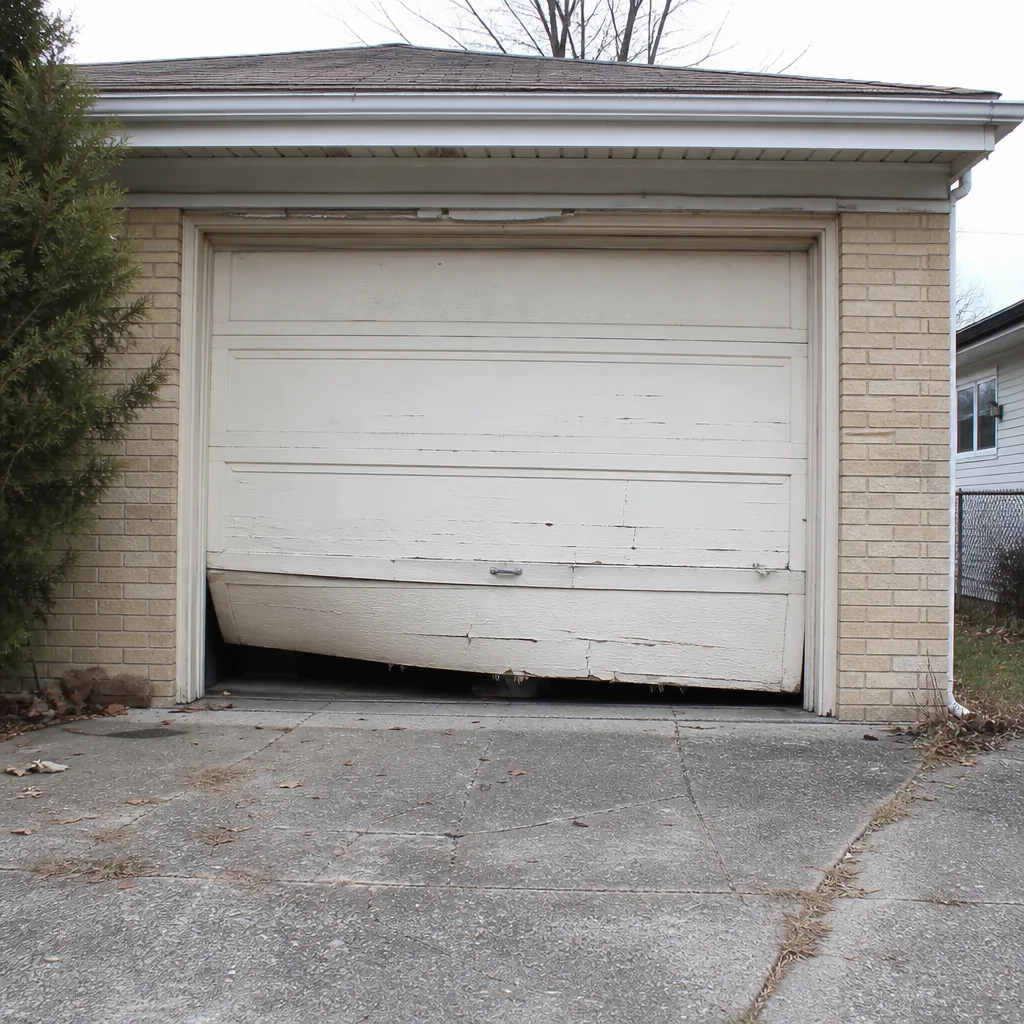 Before
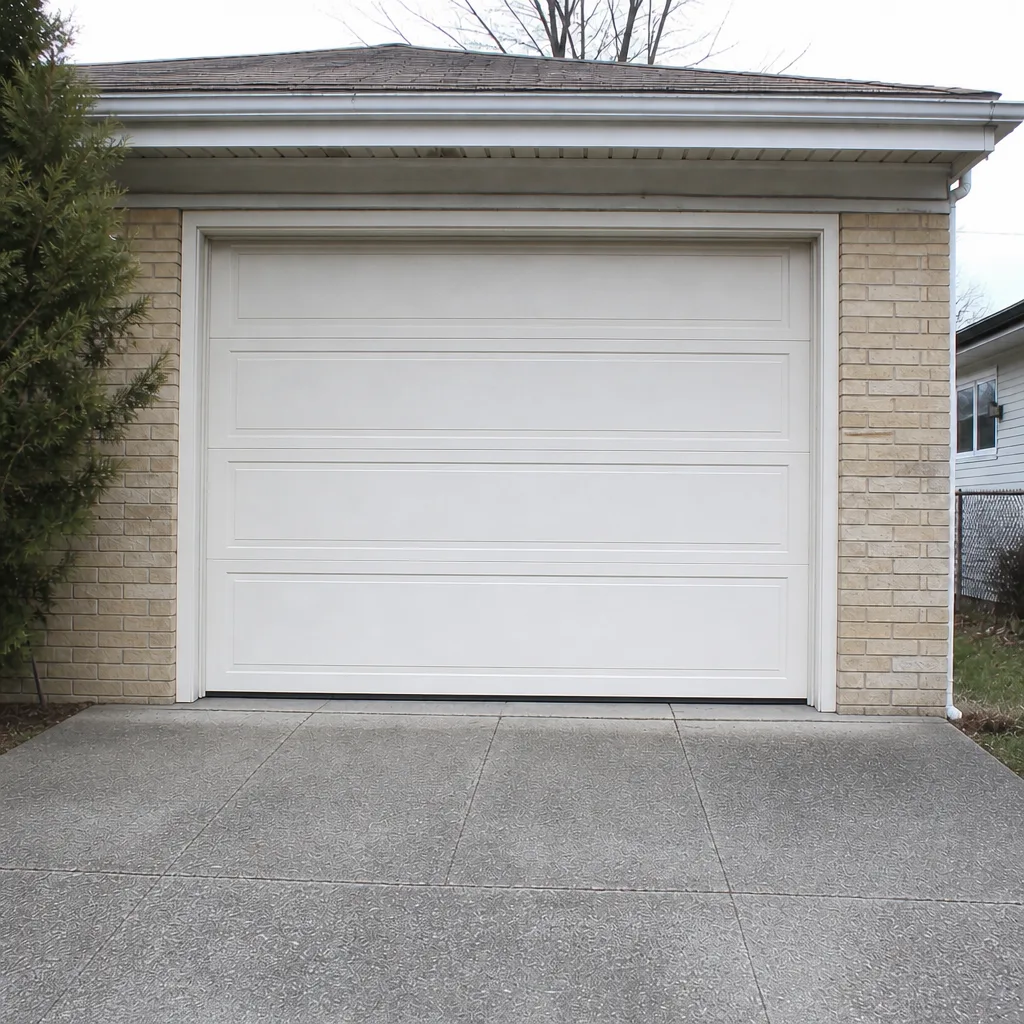 After
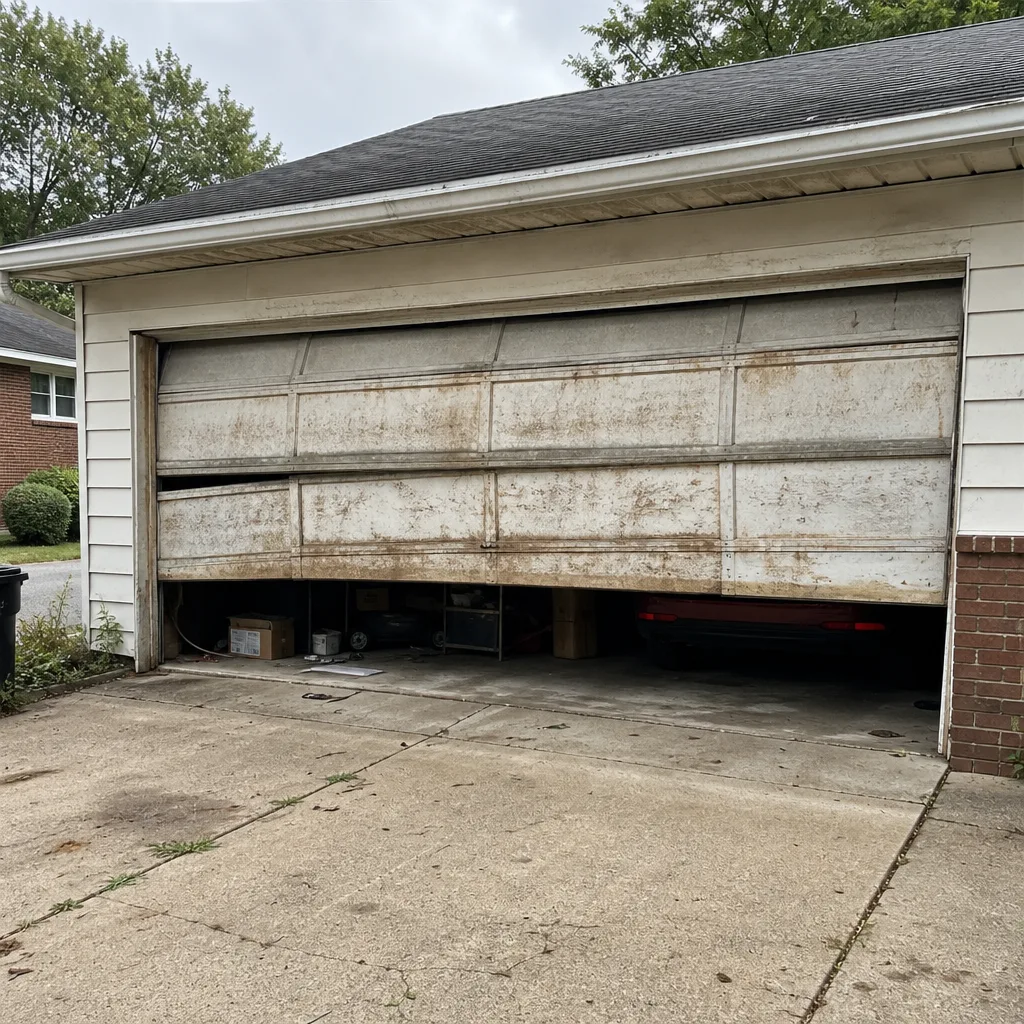 Before
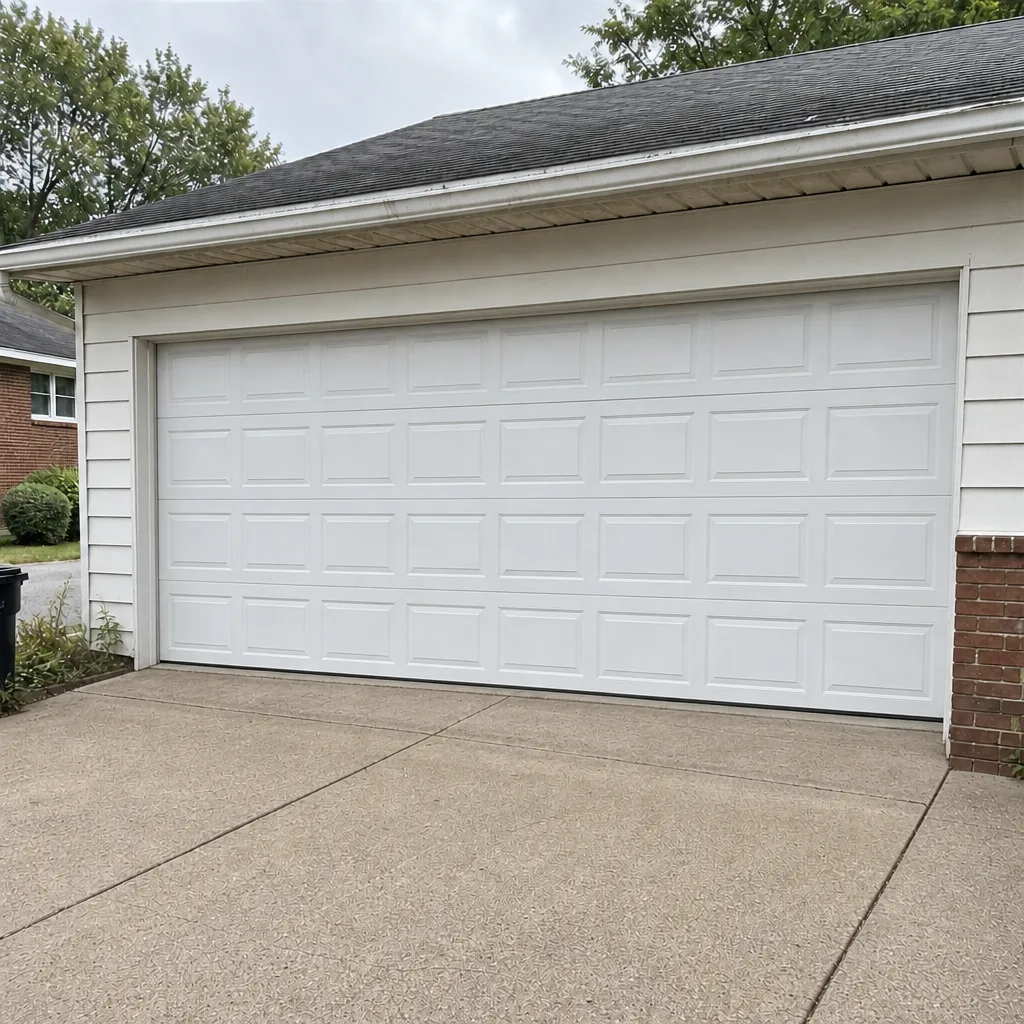 After
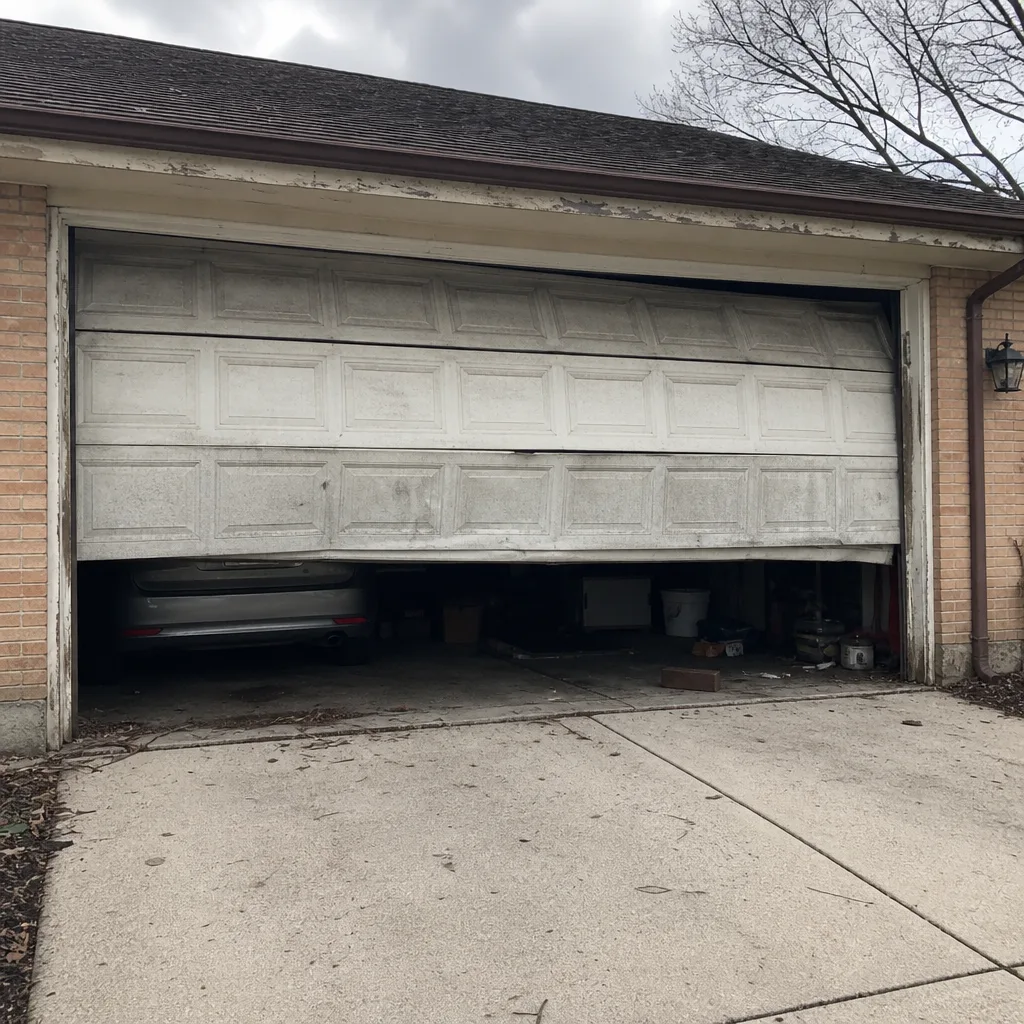 Before
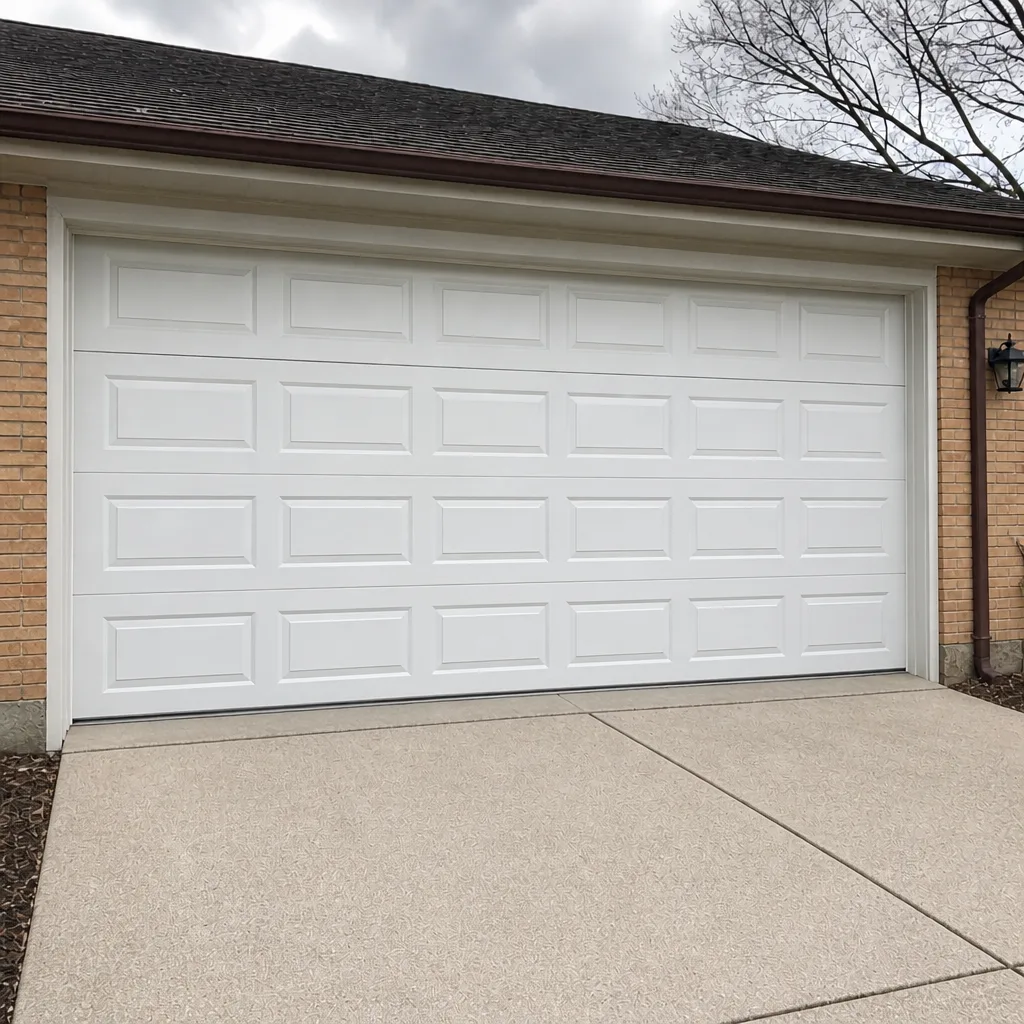 After
When to Call a Professional
Some garage door problems are routine. Some should never be handled by anyone without training. Call a professional any time a spring is broken or won’t hold tension, when a cable is frayed, kinked, or detached, when the door hangs crooked or slams shut, or when the opener reverses unpredictably. Those are safety issues, not convenience issues. If the door won’t open at all and it’s your primary entry, that’s a call. If a technician needs to reach a high-tension spring or a torsion assembly to make the fix, that’s a professional job without exception. Garage Door Repair Mount Greenwood offers free estimates in Mount Greenwood – call (855) 914-9447. We answer 24/7. A call outside dispatch hours is booked into the next opening, Sunday through Friday, 7am to 7pm.
Our technicians have up to 10 years of experience and work on products from LiftMaster, Chamberlain, Genie, Clopay, Amarr, Wayne Dalton, Craftsman, and Raynor. The local pro we connect you with is licensed and insured as their state requires, and the price is quoted and agreed before any work starts.
Frequently Asked Questions
Illinois doesn’t require a statewide garage door contractor license, so there’s no single credential to verify through the state. You can verify business registration with the Illinois Secretary of State, confirm City of Chicago licensing for the contractor’s business, and require a current certificate of insurance. Ask the contractor which licenses they hold and where you can look them up. Call (855) 914-9447 for a free estimate.
It should list the general liability policy with current effective dates, workers’ compensation coverage if the contractor has employees, and your name and address as certificate holder. The insured business name must match the name on your written estimate and on the state business registration. Ask the contractor to have their insurer issue the certificate directly. Call (855) 914-9447 for an estimate, free.
It depends on what failed and which parts are involved, so a range is only meaningful after a diagnosis. Spring replacement, opener repair, and door hardware repairs each price differently, and a matched pair of springs costs more than one spring because both are replaced together. The written estimate sets the final price, and the estimate itself is free. Call (855) 914-9447 for an exact quote.
Springs are rated by cycle count, and the cheapest springs are built for fewer cycles, so they fail sooner. A quote that’s well below others often reflects a low-cycle spring or a lower-grade part. Ask what cycle rating is included in the written estimate and compare the specification, not just the number. Call (855) 914-9447 for a free estimate with the parts spelled out.
The price you’re quoted in the written estimate is the price you pay. If a technician finds something the original estimate couldn’t cover, they should present a revised written estimate before touching the door, and you decide. No work proceeds on a price you haven’t agreed to in writing. Call (855) 914-9447 to set up a free estimate.
Often yes, especially for spring and opener issues when the required parts are stocked rather than ordered. That’s one reason we ask about parts supply during hiring: a contractor who orders after arrival can’t finish the same day. We answer 24/7. Fast dispatch from 7am to 7pm, Sunday through Friday, closed Saturday. Call (855) 914-9447.
The Bottom Line
Hiring a garage door contractor in Mount Greenwood comes down to five steps: verify the business registration with the Illinois Secretary of State, confirm Chicago and Cook County licensing status, request a certificate of insurance naming you, get a written estimate before work starts, and ask the spring cycle and parts supply questions that reveal a specialist. The regulatory gap that allows unlicensed garage door work in Illinois is exactly why these steps matter. A contractor who stocks parts, knows the brands in your garage, prefers repair over replacement, and puts every price in writing is the one you want. Take the extra ten minutes to vet. Your door will hold.
Call (855) 914-9447 for a free estimate. We answer 24/7. Fast dispatch from 7am to 7pm, Sunday through Friday.
Written by the team at Garage Door Repair Mount Greenwood.